Before & After School Care (Daycare)
$32$100
This Course will teach you everything you need to achieve your goals. As long as you follow the following steps below your business will be successful, consider the following:
Starting a before and after school care business involves transitioning from a concept to a licensed, operational facility. Success for beginners depends on balancing regulatory compliance with an engaging curriculum that parents trust.
1. Planning and Business Structure
Define your program's core values, mission, and the specific age groups you intend to serve (e.g., elementary vs. middle school).
Conduct a Needs Assessment: Research local demand and existing competitors to identify gaps in your community.
Choose a Business Model: Decide between a home-based (family childcare) or center-based(commercial space) operation.
Create a Business Plan: This should include a description of services, marketing strategies, and financial projections for at least the first year.
Budgeting: Account for startup costs like licensing fees, rent, insurance, equipment (furniture, art supplies, sports gear), and initial staff wages.
2. Licensing and Regulations
Childcare is heavily regulated to ensure safety and quality of care.
State Licensing: Most states require a childcare license, which involves background checks, training, and facility inspections. Use the National Database of Child Care Licensing Regulationsto find specific requirements for your state.
Exemptions: In some regions, programs operated on school grounds by school personnel may be exempt from standard childcare licensing.
Permits: Secure necessary local permits, including a Certificate of Occupancy, zoning permits, and fire safety inspections.
Insurance: Obtain professional liability and business owner insurance to protect against injuries and legal claims.
National Database of Child Care Licensing Regulations (.gov)
3. Location and Environment
Your facility's layout directly impacts daily operations and child safety.
Strategic Location: Choose a spot near schools or major commuting routes to make drop-offs and pickups easier for parents.
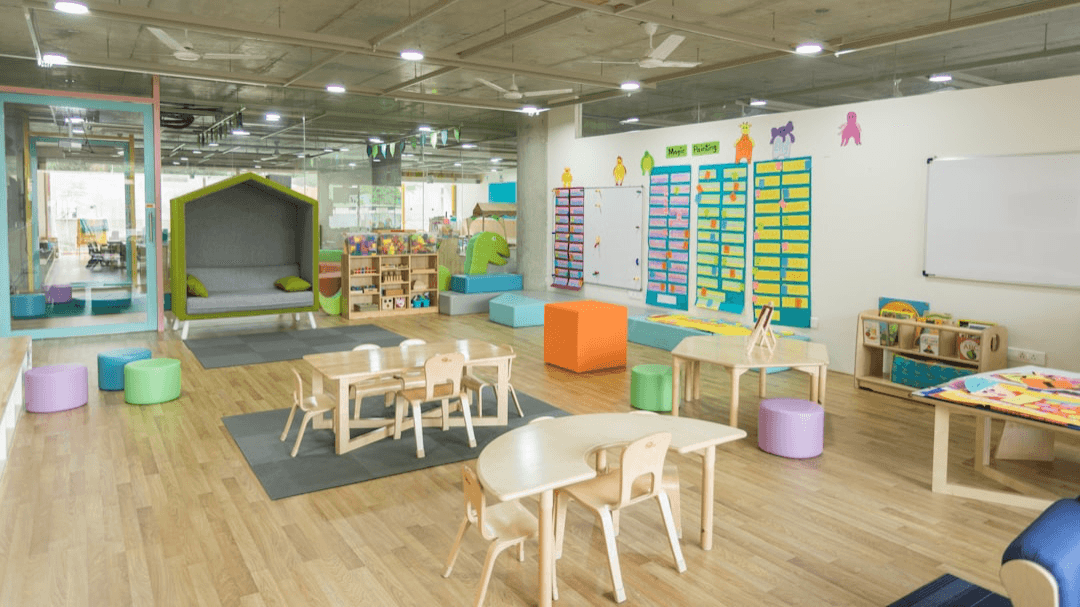
Facility Setup: Create dedicated zones for different activities, such as homework help, active play, rest, and meal preparation.
Safety Measures: Ensure the space is accessible for children with disabilities and equipped with first aid kits and age-appropriate furniture.
4. Staffing and Curriculum
The quality of your staff and daily activities determines your program's reputation.
Hiring: Recruit staff with experience in education or youth work. All employees must pass a criminal background check.
Training: Require certifications in CPR and First Aid and provide ongoing training in child abuse prevention and health safety.
Curriculum Design: Develop a balanced daily schedule that includes:
Academic Support: Homework help and tutoring.
Enrichment: STEM clubs, art classes, music, or theater.
Physical Activity: Sports, yoga, or outdoor play to help kids burn energy.
5. Marketing and Enrollment
Attract families by establishing a professional online and local presence.
Marketing Strategy: Use social media (Facebook/Instagram), local school flyers, and community events to reach parents.
Management Software: Use platforms like Sawyer or Brightwheel to handle online enrollment, automated billing, and parent communication.
Trial Offers: Consider hosting an open house or offering free trial sessions to build trust with new families.
This guide is for you if you’re looking to:
Achieve your Dream
Find Meaning in Your Work
Be Happy