Get My CPR/ First Aid Instructor Course Now!
$32$70
This Course will teach you everything you need to achieve your goals. As long as you follow the steps below your business will be successful, consider the following:
Running a successful CPR and First Aid training business involves moving from a certified professional to a legitimate business owner. For beginners, the process centers on obtaining instructor credentials, investing in high-quality training equipment, and establishing a professional brand that builds trust in your community.
1. Get Certified as an Instructor
You cannot teach certification classes without being an authorized instructor for a recognized body.
Choose an Organization: The most common are the American Heart Association (AHA), American Red Cross, and Health & Safety Institute (HSI).
Prerequisites: You must hold a current provider-level certification (e.g., BLS for Healthcare Providers) in the discipline you wish to teach.
Complete Instructor Training: This typically involves an online essentials course followed by an in-person, hands-on session where you learn teaching methodologies and administrative duties.
Monitoring: You must teach your first class under the supervision of a faculty member within six months of your training to finalize your certification.
2. Invest in Essential Equipment
A professional setup is critical for student engagement and meeting certification standards. Expect to invest $1,500–$2,000 initially.
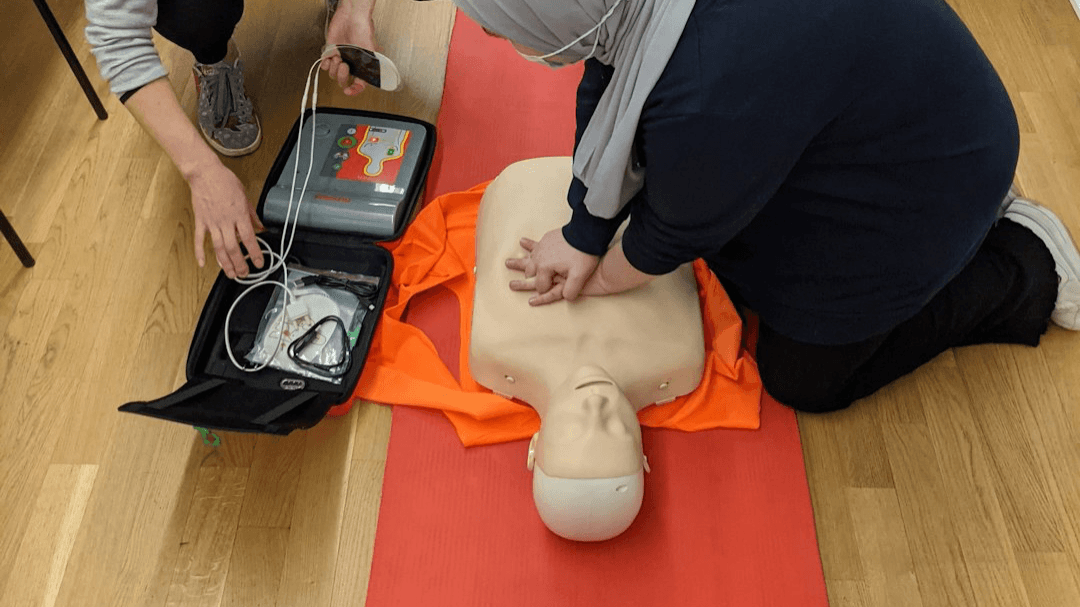
Manikins with Feedback: Modern standards require adult and infant manikins that provide real-time feedback on compression depth and rate.
AED Trainers: Non-shocking devices that mimic real Automated External Defibrillators for practice.
Hygiene Supplies: Disposable lungs (lung bags), one-way valves, antiseptic wipes, and gloves to keep training sanitary.
Kits: Retailers like the American Red Cross Store and MCR Medical offer bundled instructor starter kits that include manikins, pads, and bags.
3. Legal and Financial Foundation
Business Structure: Establish a Limited Liability Company (LLC) to separate your personal assets from business liabilities.
Tax ID (EIN): Apply for a free Employer Identification Number (EIN) to open a business bank account and handle taxes.
Insurance: Obtain professional liability insurance (often $2M general liability) to protect against potential lawsuits related to training.
Pricing Strategy: Consider a base rate for your time plus a per-person fee for materials and certificates (e.g., $125/hr + $10/person) to ensure you remain profitable even with small groups.
4. Marketing Your Services
As a beginner, focus on "finding the need" in your local area.
Identify Target Markets: Reach out to schools, childcare centers, gyms, and corporate offices that require staff certifications by law.
Build a Web Presence: A professional website acts as your home base for class schedules and contact info. Use platforms like Canva for professional-looking flyers and logos.
Word of Mouth & Referrals: Offer referral incentives or discounts for group bookings to encourage satisfied students to promote your business.
Free Demos: Providing a free "Hands-Only CPR" demonstration at community events can build trust and lead to paid certification classes later.
This guide is for you if you’re looking to:
Achieve your Dream
Find Meaning in Your Work
Be Happy