Get My Mobile Health Clinic Course Now!
$32$55
This Course will teach you everything you need to achieve your goals. As long as you follow the steps below your business will be successful, consider the following:
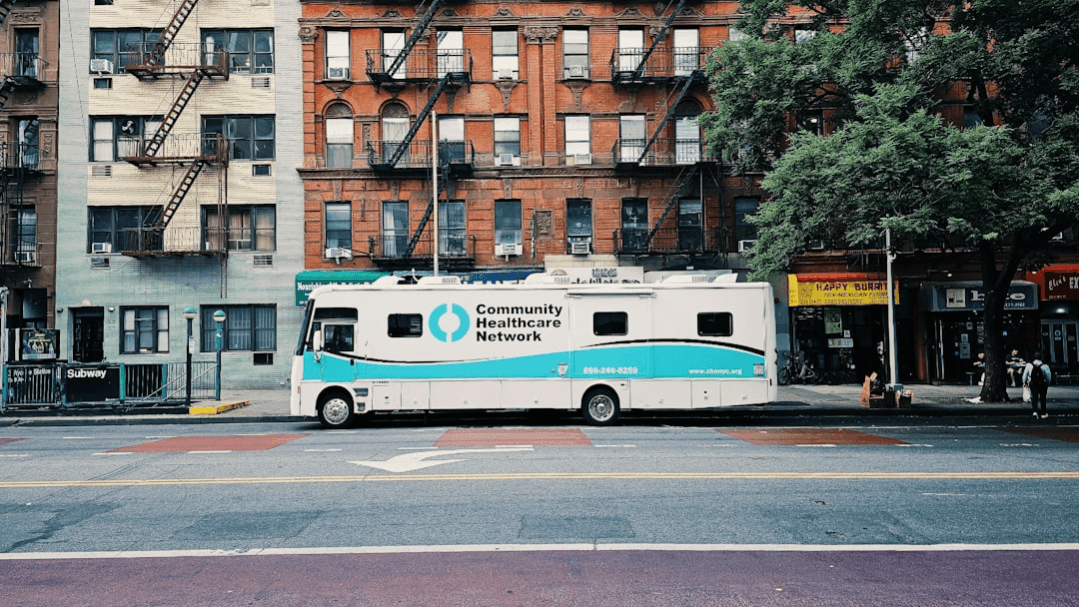
Starting a mobile health clinic involves a multi-step journey from initial community assessment to securing specialized vehicles and meeting strict regulatory standards.
1. Planning & Vision
Successful beginners start by identifying a specific community need rather than a general service.
Conduct a Needs Assessment: Study local health data to find "medical deserts"—areas with high uninsured rates or limited transportation.
Define Your Model: Choose between a fixed schedule (returning to the same spot weekly) or on-demand deployment.
Build Your Team: A standard team includes a provider (physician, NP, or PA), an operational lead, and a driver (who may need a Commercial Driver's License if the vehicle exceeds 26,000 lbs).
2. Vehicle Procurement
The "clinic on wheels" is your biggest investment. Options vary significantly by cost and readiness:
New Custom Builds: Range from $300,000 to $600,000+ and take 6–9 months to deliver.
Pre-Owned Units: Range from $150,000 to $350,000 and can launch in 30–90 days. Always request maintenance records and perform a physical inspection before buying.
Leasing: Ideal for testing a concept without high upfront capital. Maintenance is often included.
3. Funding & Financial Sustainability
Most successful programs use 3–4 revenue streams to remain viable.
Mission Mobile Medical
Federal & State Grants: Organizations like HRSA and the USDA Community Facilities Program offer substantial funding for rural and underserved areas.
Philanthropy: Apply for grants from local family foundations or national groups like the Robert Wood Johnson Foundation.
Reimbursement: Ensure you are certified for Medicare and Medicaid billing to sustain long-term operations.
4. Legal & Regulatory Requirements
Compliance is complex because regulations vary by state and medical specialty.
Licensing: You will need a local business license, state medical facility licensure, and specialty-specific certifications (e.g., CLIA for lab testing).
ADA Accessibility: Your vehicle must include a ramp or lift to accommodate disabled patients.
Insurance: At minimum, secure $1,000,000 in general liability insurance, plus specialized medical malpractice and commercial auto coverage.
5. Essential Equipment & Tech
Your interior must function like a standard office in a fraction of the space.
Medical Gear: Basics include portable exam tables, blood pressure monitors, and specialized storage like vaccine refrigerators.
Connectivity: Invest in high-speed Wi-Fi hotspots to access cloud-based Electronic Health Records (EHR) for real-time charting.
This guide is for you if you’re looking to:
Achieve your Dream
Find Meaning in Your Work
Be Happy