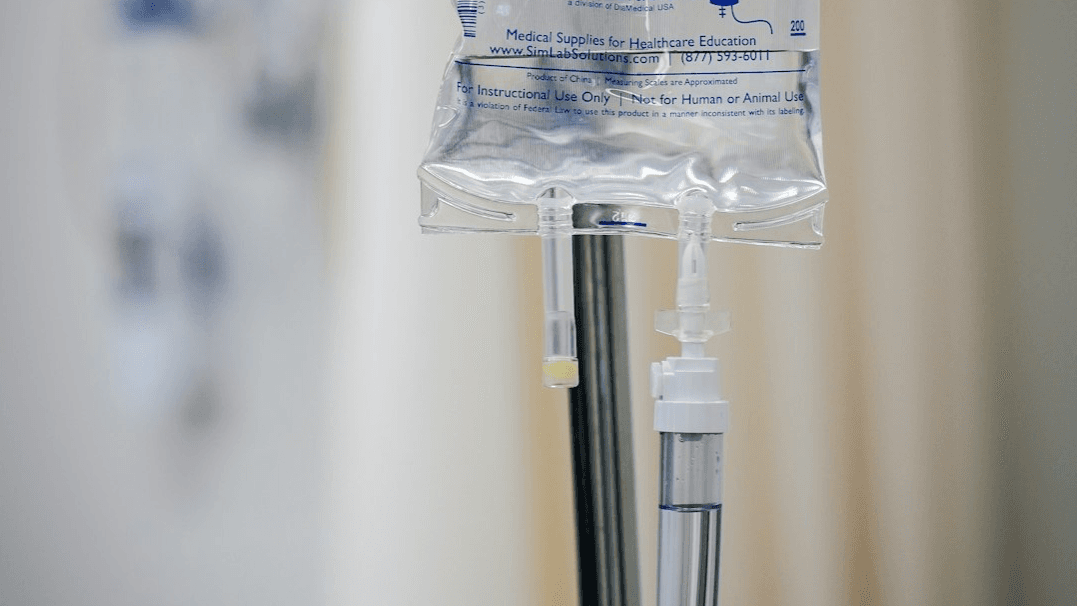
I.V Hydration Course
$32$120
This Course will teach you everything you need to achieve your goals. As long as you follow the steps below step by step your business will be successful! Consider the following:
To start an IV hydration business as a beginner, you must navigate a blend of medical regulations and traditional business entrepreneurship. Because IV therapy is considered a medical procedure, you cannot simply open it like a standard retail shop; it requires specific oversight and licensing.
1. Legal and Regulatory Foundation
Before investing in equipment, you must confirm who can legally own and operate the business in your state.
Medical Oversight (Medical Director):Most states require a licensed physician (MD or DO) to serve as a Medical Director. They oversee clinical protocols, sign standing orders for IV fluids and vitamins, and ensure patient safety.
Ownership Structures:
Physicians & NPs: In many states, MDs, DOs, and sometimes Nurse Practitioners (NPs) with full practice authority can own the clinic independently.
RNs & Non-Medical Owners: If you are a Registered Nurse or a non-medical entrepreneur, many states (like North Carolina) may prohibit you from owning the medical side due to Corporate Practice of Medicine (CPOM) laws. You may need to form a Management Services Organization (MSO) to handle business operations while contracting a physician for clinical care.
Licensing: You will need a general business license, and depending on your state, a Healthcare Facility License or Outpatient Clinic License.
2. Choose Your Business Model
Decide how you will deliver your services, as this impacts your startup costs and marketing strategy.
Brick-and-Mortar Clinic: A physical location that offers a "spa-like" vibe for clients to visit.
Mobile IV Therapy: You travel to clients' homes, offices, or events. This requires a reliable vehicle with temperature-controlled storage for supplies.
Concierge Services: High-end, on-demand services often targeted at busy professionals or athletes.
3. Essential Startup Steps
Develop a Business Plan: Outline your target market (e.g., athletes, wellness seekers, hangover recovery), services, pricing, and 3-year financial projections.
Secure Insurance: You must have Professional Liability (Malpractice) Insurance for medical claims and General Liability Insurance for non-medical accidents.
Source Supplies & Equipment: This includes IV fluids, vitamin/mineral boosters, catheters, infusion pumps, and medical-grade furniture.
Setup HIPAA-Compliant Systems: Use secure software for patient intake, medical records (EMR), and scheduling to protect client privacy.
4. Marketing and Growth
Digital Presence: Build an SEO-optimized website and use social media (Instagram/TikTok) to showcase the wellness benefits of your drips.
Partnerships: Collaborate with local gyms, spas, and hotels to reach health-conscious clients.
Safety Protocols: Always conduct a Good Faith Exam or medical evaluation before treatment to screen for contraindications.
This guide is for you if you’re looking to:
Achieve your Dream
Find Meaning in Your Work
Be Happy