TL;DR
For more than 70 years, Cannes Lions felt exclusive to brands, celebrities, and industry elite. But this year, it was all about Creators. We’re breaking down the top Creator economy signals from the festival—from Creators rising up as founders and investors while surpassing billion-dollar milestones, to platforms like LinkedIn betting on credibility as the new currency.
For the last few weeks, your social feed (like mine) has probably been flooded with Cannes Lions content—the world’s largest gathering for advertising, marketing, and creativity.
For over 70 years, Cannes Lions has been a prestigious festival reserved for celebrities, brand executives, and the industry’s elite. So why is it popping off in your feed now?
Because this year, it wasn’t just the usual crowd walking the Croisette. It was your favorite Creators.
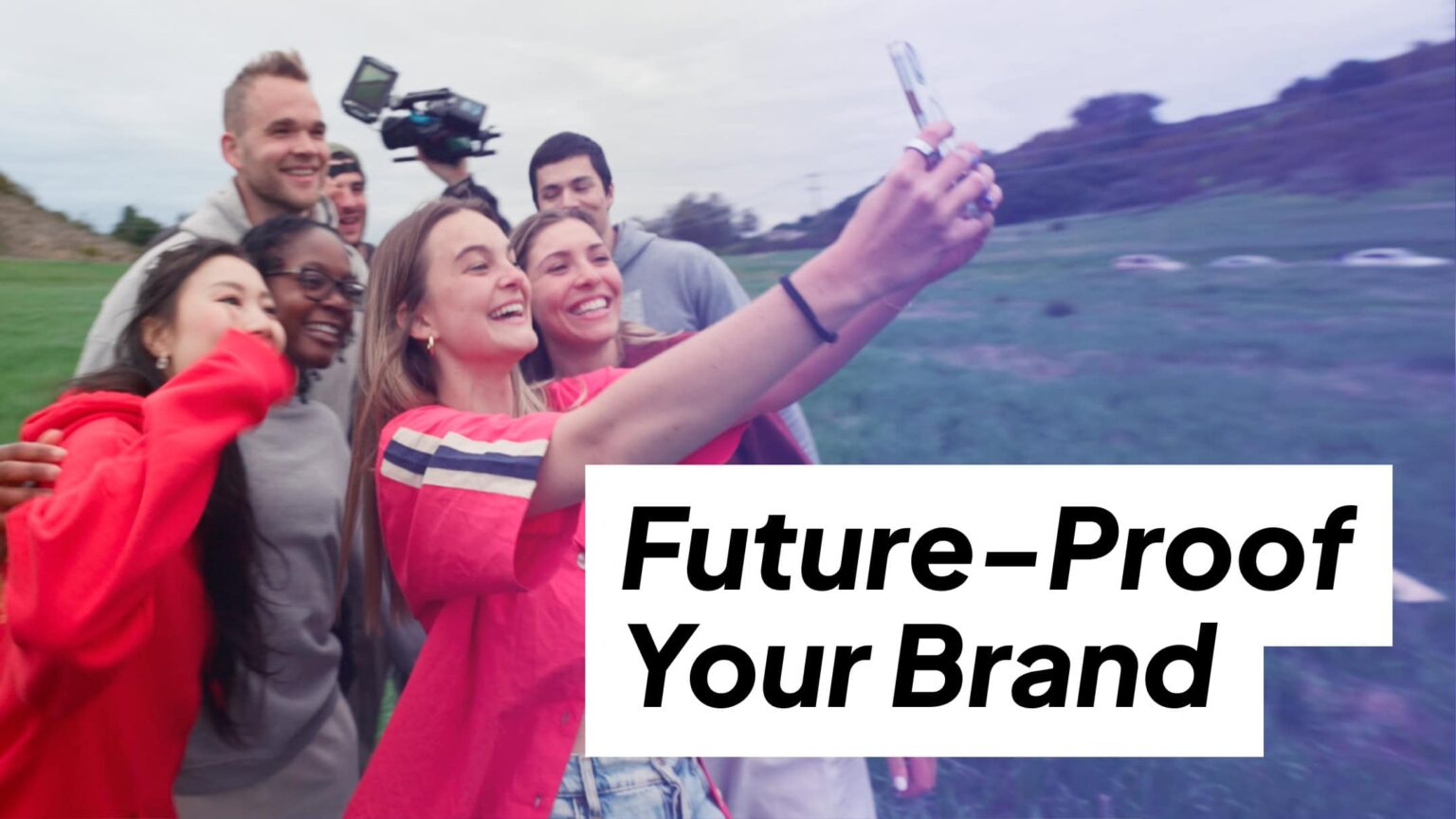
For the first time in Cannes Lions history, Creators weren’t treated as an add-on—they were the focal point. Over 250 Creators showed up across the festival this year, and all anyone could talk about was the Creator economy.
Here’s what stood out and what it says about the future of content creation.

What Cannes Lions 2026 Confirmed About The Creator Economy
1. People Are Craving In-Person Connection
Most attendees are drawn to Cannes Lions for the people—the proximity it offers and the rooms it puts you in. But then you arrive and realize just how hard it is to build connections when spaces aren’t intentionally built for it.
Creators and festival-goers alike spent the week searching for spaces to build genuine relationships in. Not just panels and brand activations, but intimate settings where you could actually talk to people without needing to be the loudest or most outgoing in the room.
Cannes Lions is full of brands trying to cut through the noise with over-the-top activations and yacht parties, but we knew what Creators truly need is more non-performative spaces to get to know one another.
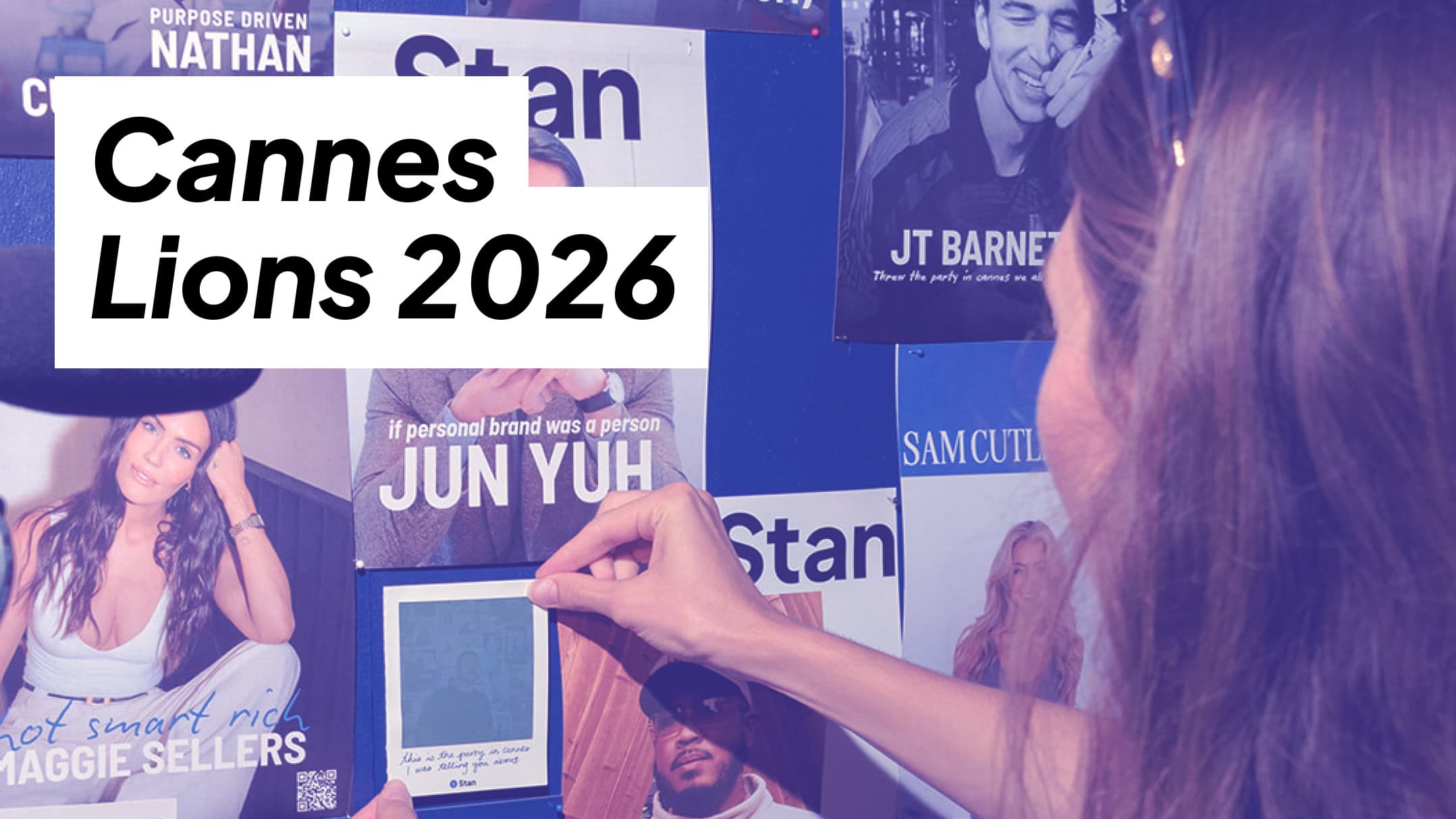
So we pivoted away from the norm and threw an invite-only house party with JT Barnett. No agenda or sales pitch—just a comfortable space for Creators to come together.
Forbes called it “One of the most lavish and exclusive events of this year.” But for us, the only goal was to create an environment where Creators could make friends, have fun, and feel seen.
It sounds simple, but it reflects a broader shift in the Creator economy: we’re all craving connection.
Not just the kind on the other side of a screen, but small, in-person experiences with like-minded people. Those invested in creating these kinds of spaces will earn people’s loyalty and trust.
2. Creators Are Building Billion-Dollar Empires
Forbes unveiled their 2026 Top Creators List at the festival—the 50 most influential Creators across platforms like TikTok, YouTube, Instagram, Twitter, and more.

For the first time ever, this year’s Creator list broke the billion-dollar mark, bringing in a collective $1.2 billion in the last year. That’s 80% more than the 2022 debut list’s $570 million total earnings.
It’s proof that the income potential and financial power today’s Creators hold is multiplying rapidly. And the next generation of billion-dollar businesses will be Creator ones.
3. Credibility Is The New Currency
For years, the Creator economy ran on follower count and reach. The bigger your audience and visibility, the more pull you had. But now, across the board, credibility is beginning to matter more.
Why? Because in a world where AI can create a post that looks real and anyone with a mic can sound like an expert, it’s harder to differentiate who actually is one. Audiences are becoming more skeptical and favoring Creators who can prove they know their stuff.
That’s why LinkedIn was having such a moment at Cannes. It’s a platform built on proof—your work history, connections who vouch for you, credentials that show you’ve done the work.
LinkedIn showed up as a headline partner this year just weeks after launching its first Creator Marketplace to pair brands with vetted Creators. And at the event, they rolled out a new suite of tools, like collaborative posts, to draw more Creators to the platform—whose Creator presence has doubled since 2021.
LinkedIn’s whole pitch was credibility over reach. An expert with a few thousand trusted connections can be worth more to a brand than a generalist with hundreds of thousands of followers.
Trust is one of the most valuable things you can have in the Creator economy, yet the hardest thing to earn. LinkedIn helps Creators build it.
4. Creator-Founders and Creator-Executives Are Rising Up
The biggest Creators strolling the Croisette this year all had one thing in common: they’re founders and executives.
Some turned content creation into multimedia empires, like Alex Cooper, Steven Bartlett, and Maggie Sellers Reum, while others are scaling product-based businesses, like CatGPT.

Almost everyone in attendance identified as a “Creator AND…” But what really stood out were the number of Founders and Executives-turned-Creators.
As AI makes it easier for anyone to spin up a new business quickly, Founders are realizing their #1 differentiator isn’t what they sell, but who they have to sell to.
Brands are realizing this, too. We’re seeing more C-suite executives join the Creator economy as companies leverage employee-generated content to propel them forward.
Brands like Lovable, which scaled from $0 to $200M ARR in just 12 months using a Founder and Executive-led content strategy. Or Gamma, which reached 70 million users and $100M ARR with a team of just 50 people—using LinkedIn content as its main driver.
5. Creators Are Joining Cap Tables
For a long time, angel investing wasn’t really talked about within the Creator economy, and ‘angel investor’ wasn’t a title you’d see many Creators wearing. But now, that’s changing.
In 2026, trust is harder to earn. Marketing costs are soaring. And most companies are struggling to hold people’s attention.
That’s why a new generation of angel investors is emerging: Creators who know how to create momentum around brands and want a real stake in them.
Creators already have the trust, cultural relevance, and distribution companies need to succeed. So instead of relying on traditional funding, the smartest companies are giving Creators a seat at the table.
As Jaclyn Johnson, CEO of Cherub, puts it, “The best Creators bring distribution, product insight, cultural relevance, community, and long-term alignment that traditional investors often can’t.”
That’s why this year’s Cannes Lions wasn’t just rich in Creators pitching brands. It was full of brands pitching Creators.
6. The Creator Economy Is the New Hollywood
Creators weren’t just attendees at this year’s Cannes Lions. They took the stage as speakers, panelists, and brand ambassadors. Many roles that were previously reserved for A-list celebrities were given to top Creators who command the same level of influence—maybe even more.
It’s a prime example of just how much the Creator economy has overtaken Hollywood in entertainment. And the lines between social media and streaming platforms are about to get even blurrier.
At the festival, Instagram shared it’s experimenting with a widescreen mode built for TVs and longer, episodic formats. And Amazon launched Fire TV Creator Hub—a new section of Fire TV featuring YouTube, TikTok videos, and podcasts, with 100+ Creators at launch and a target of 500 by 2027.

The takeaway? Media is moving toward Creators. The same long-form content that used to demand a Hollywood budget is now being built around people with a phone and an idea. You no longer need a multi-million-dollar production and a cast of celebrities to win attention—Creators are proving anyone can attract an audience and turn them into customers.
7. Top Creators Aren’t Doing It Alone—And Neither Should You
Throughout the week, many Creators had an entire content team behind them on the ground or back home. Video crews, social media managers, and editors all piecing together everything you see on your feed.
But the reality is, most of us aren’t at a point where we can hire a team. We’re wearing every hat—doing our best to translate our data and big ideas into high-performing posts without losing momentum.
It’s a lot to do solo, which is why countless Creators eventually burn out or give up. We want to change that.
We’re determined to make it easier for Creators to build the audience, trust, and consistency they need to succeed at entrepreneurship.
That’s why we built Stanley—your AI Content Team.
It doesn’t dilute your voice or churn out AI slop like every other tool out there. Instead, Stanley connects to your social accounts, learns your voice and style, knows what lands in your niche, and shows up every day with content built for you.
So the same support behind the top Creators at Cannes? Now it’s in your pocket—without the six-figure price tag.
The Future Is Creator-First
Everything at Cannes pointed to the same shift: Creators are redefining what comes next for culture, business, and the way we all live and work.
They’re not just making content—they’re building businesses, shaping companies, and deciding what the rest of the world pays attention to.
The festival that spent over 70 years celebrating brands and celebrities finally put Creators at the center, because that’s where influence lives now. We couldn’t be more thrilled to see Creators get the international recognition they deserve as the world wakes up to what we’ve always known: Creators are the future.
And to every Creator who spent time with us in Cannes—thank you. You’re the reason we do this, and we can’t wait to create more moments with you this year.
⭐️ Stay tuned for more. We’ll keep bringing you fresh perspectives, stories, and tips to help you stay ahead in the Creator economy.