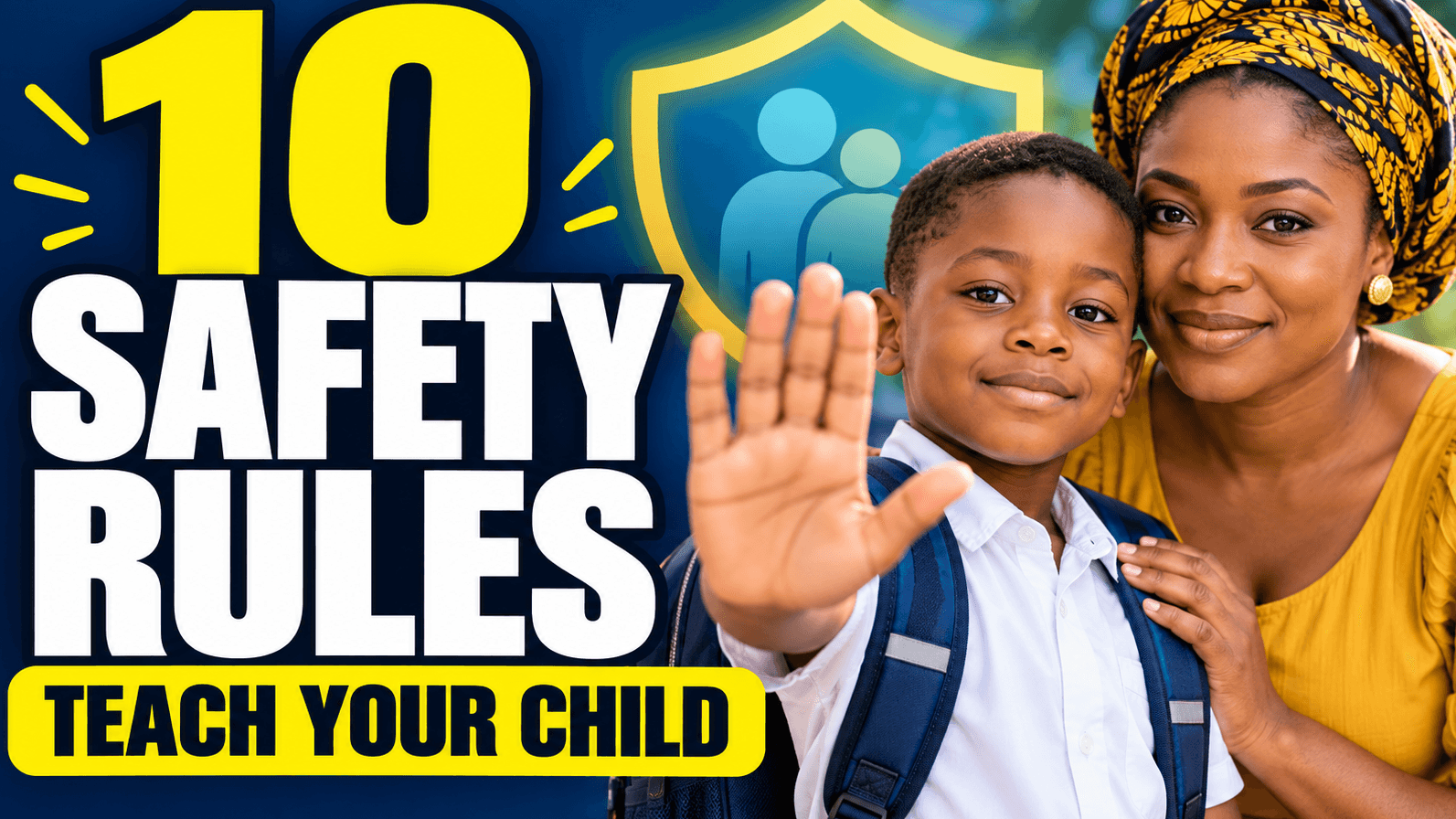
Stranger Safety Without Fear
$5
Stranger Safety Without Fear
A Simple Safety Guide for Families
Help your child learn how to respond to unsafe situations without becoming afraid of everyone.
The goal is simple: children do not need to decide whether someone looks safe. They should follow their family’s safety rules every time.
Five Important Safety Rules
1. Ask First
Always ask a parent or caregiver before:
Going anywhere with someone
Accepting a ride
Taking a gift
Changing an agreed plan
2. Keep a Safe Distance
Do not walk close to an unfamiliar vehicle or person. Stay far enough away that you cannot easily be grabbed.
3. Say No and Move Away
Children have permission to say:
“No, I need to ask my parent first.”
“Please stay back.”
“I cannot go with you.”
“I do not keep secrets from my parents.”
4. Get Loud and Find Help
If someone grabs, follows or pressures you:
Shout: “This is not my parent!”
Move away quickly.
Go to a busy or staffed place.
Tell a trusted adult immediately.
5. Always Tell a Safe Adult
Tell a parent, teacher or trusted caregiver whenever someone:
Asks you to keep an uncomfortable secret
Offers you a ride without permission
Touches you in an unwanted way
Makes you feel frightened or confused
Follows you or comes too close
You will not be in trouble for telling.
Who Can Help?
Look for:
A uniformed police or security officer
A teacher or school employee
A shop worker behind a counter
An information-desk employee
A parent or caregiver with children nearby
If you become separated from your caregiver, stay in the area and say:
“I am lost. Please call my parent. I will stay here.”
Never leave the location with an unfamiliar person.
Create a Family Safety Plan
Complete these together:
My trusted adults:
Our family pickup code word:
Our meeting point:
Parent or caregiver’s telephone number:
Practise This Safety Promise
“I can ask first. I can say no. I can move away. I can get loud. I can find help. I can always tell my safe grown-ups.”
Note for Parents
Use calm and supervised role-play to practise these rules. Do not arrange a surprise “stranger test.” Listen without blame whenever your child reports something uncomfortable or frightening.
This guide provides general safety education and does not replace professional child-protection or emergency advice.