All Kinds of Friends: Wonder Library
All Kinds of Friends
Wonder Library
Friendship can be found in some surprising places.
In this topic, we explore the remarkable partnerships that exist throughout the natural world. From tiny fish that clean the teeth of giant sharks to birds that help large mammals spot danger, nature is full of examples of animals helping one another.
As we discover these unusual friendships, we will learn how living things can work together, support each other, and sometimes even depend on one another for survival.
Will all friendships in nature be fair? Why do some animals help each other? And what can these extraordinary relationships teach us about cooperation in our own lives?
📚 Read Alouds
Enjoy stories and information books about friendship, teamwork, and the fascinating relationships found in nature.
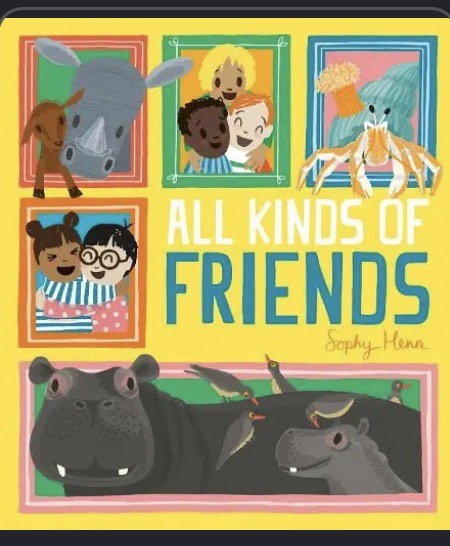
This beautiful storybook by Sophy Henn makes the concept of symbiosis so accessible to children.
Gilbert the Great is a very simple story about a shark and its friend the remora.
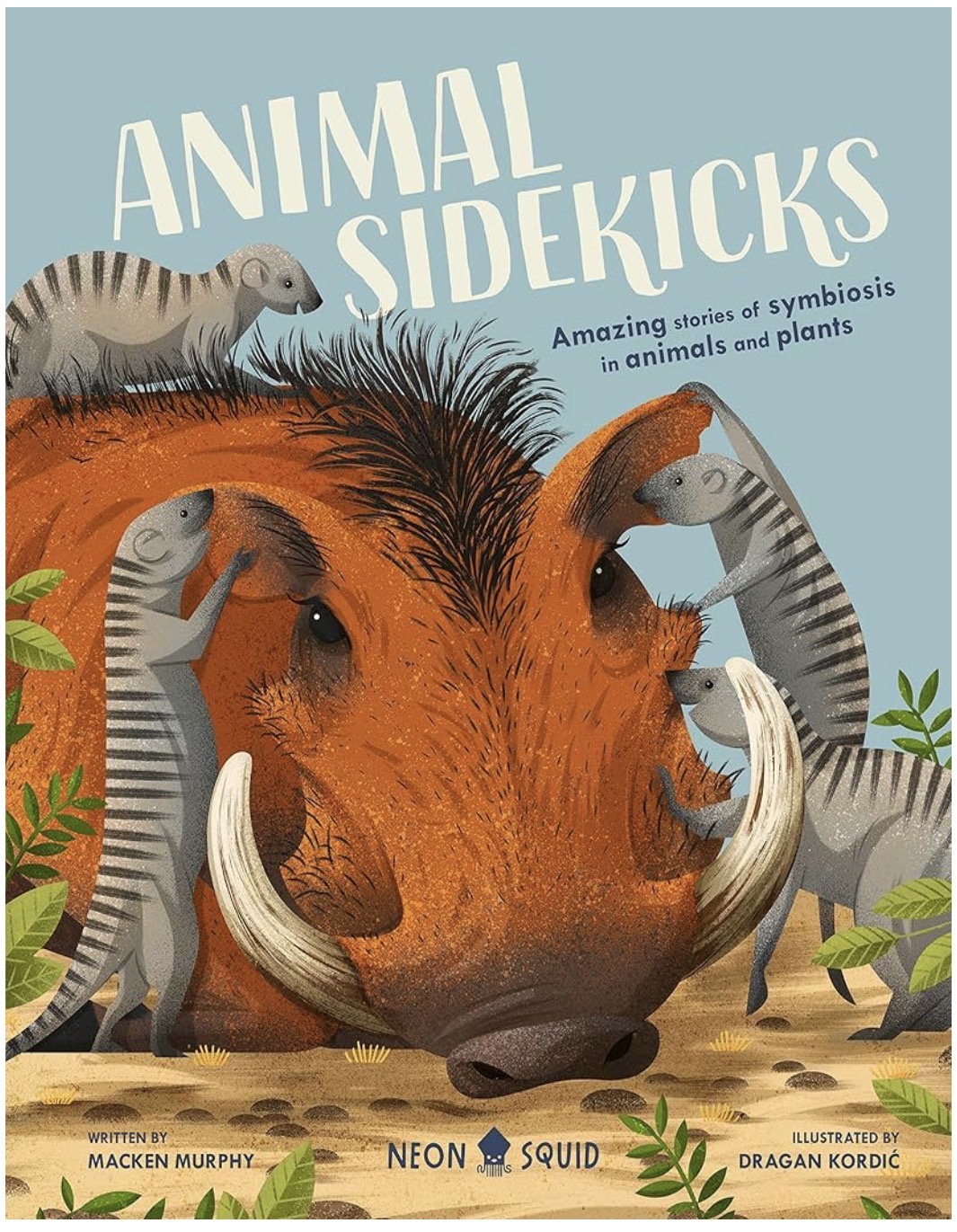
This fabulous non fiction book has an enormous amount of information for curious minds!
🎥 Videos to Watch
Watch incredible footage of real animal partnerships and discover how different species help one another survive.
The Sea Anemone and the Clownfish
The Nile Crocodile and the Egyptian Plover
🔍 Extra Information
Play a matching game with your children.
See attached pdf.
Scissors Skills: Have your child/children cut out as many squares as they feel comfortable with.
It helps if you cut alongside them.
Why Are Scissor Skills Important?
Learning to use scissors is much more than a craft activity. It helps children develop a range of skills that support learning, independence and confidence.
✂️ Strengthens Hand Muscles
Cutting requires children to open and close their fingers repeatedly, helping to build the small muscles in the hands needed for writing, drawing, buttoning clothes and other everyday tasks.
✂️ Develops Fine Motor Control
Using scissors teaches children to make precise movements with their fingers and hands. This control is essential for handwriting and many practical life skills.
✂️ Improves Hand-Eye Coordination
Children must watch the line they are cutting while moving the scissors accurately. This strengthens the connection between what they see and how they move.
✂️ Encourages Bilateral Coordination
Cutting is a two-handed task. One hand operates the scissors while the other turns and stabilises the paper. This helps children learn to use both sides of their body together effectively.
✂️ Builds Concentration and Perseverance
Following a line, shape or pattern requires focus and patience. Children learn to slow down, pay attention and keep trying when a task is challenging.
✂️ Supports Early Maths Skills
Cutting along straight, curved and zigzag lines helps children explore shapes, symmetry, size and spatial awareness.
✂️ Boosts Independence and Confidence
Mastering scissors gives children a sense of achievement. They become more confident tackling creative projects and practical tasks on their own.
Typical Progression of Scissor Skills
* 2–3 years: Snipping paper with supervision.
* 3–4 years: Cutting short straight lines.
* 4–5 years: Cutting simple shapes such as squares and circles.
* 5–6 years: Cutting more detailed shapes with greater accuracy.
* 6+ years: Managing complex patterns, crafts and precise cutting tasks.
🕳️ Rabbit Hole
If this topic has sparked your curiosity, you might enjoy exploring:
• Cleaner wrasse and reef fish
• Oxpeckers and rhinos
• Clownfish and sea anemones
• Remoras and sharks
• Goby fish and pistol shrimp
• Ants that protect acacia trees
• Honeyguide birds and humans
• Symbiosis, mutualism, and cooperation in nature
🌿 A Thought to Wonder About
Do you think friendship always means both sides benefit equally, or can different friends help each other in different ways?
Scan your Wonder Code to explore the books, videos, and resources for this topic in the Wonder Library.
Wild Child Learning
What you learn with pleasure you never forget. ✨