
Kandinsky: Wonder Library
WONDER LIBRARY
KANDINSKY
How can colour and shape speak?
This page gathers the read-alouds, videos, extra information and rabbit-hole ideas to support your Wonder lesson on Wassily Kandinsky.
Use these links to gently explore how Kandinsky saw colour, shape and music in a completely new way. Children will discover how art does not always need to look like something real — sometimes it can show a feeling, a sound, a rhythm or an idea.
READ ALOUDS
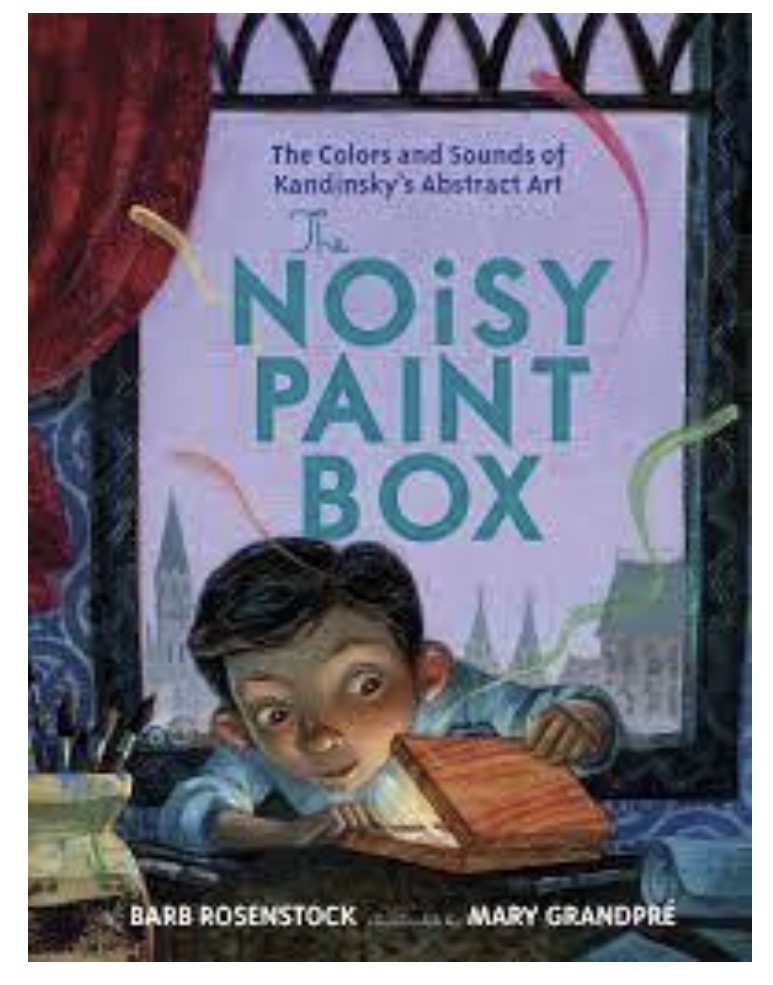
The Noisy Paint Box
A beautiful introduction to Kandinsky’s childhood, imagination and the way he connected colour with music.
The Artist Who Painted a Blue Horse
A playful book that helps children think about colour, expression and whether art always has to look realistic.
VIDEOS TO WATCH

Who Was Wassily Kandinsky?
A child-friendly introduction to Kandinsky’s life and artwork.
EXTRA INFORMATION
What Is Synesthesia?
Synesthesia is when you hear music, but you see shapes. Or you hear a word or a name and instantly see a colour. Synesthesia is a fancy name for when you experience one of your senses through another. For example, you might hear the name "Sarah" and see green. Or you might read the word "bus" and taste lemon.
The word "synesthesia" has Greek roots. It translates to “perceive together.” People who have this ability are called synesthetes.
Synesthesia isn’t a disease or disorder. It won’t harm your health, and it doesn’t mean you’re mentally ill. Some studies suggest people who have it may do better on memory and intelligence tests than those who don’t. And while it may seem easy to make up, there’s proof that it’s a real condition. Pharell Williams is also a famous Synesthete and he said his song ‘Happy’ is golden.
Watch this Ted Ed talk to see what this looks like!
Kandinsky was fascinated by music and the colours it caused him to see. He wanted his paintings to feel almost like a piece of music that you could see with your eyes.
Listen to these clips and decide what colour you can ‘see’!
RABBIT HOLE IDEAS
Look at one Kandinsky painting for one whole minute.
What shapes do you notice first?
Create a sound painting.
Choose music and draw lines, circles, dots and colours in response to what you hear.
Go on a shape hunt.
How many circles, triangles, squares and lines can you find around the house?
Try a “feeling colour” challenge.
What colour would you choose for joy, excitement, calm, worry or wonder?
CLOSING THOUGHT
Kandinsky helps us see that art does not always have to copy the world around us. Sometimes art can show what is happening inside us — a feeling, a sound, a memory, or a little spark of wonder.
Wild Child Learning
What you learn with pleasure, you never forget.