
TL;DR: Your link in bio is no longer just a place to collect links. It is where attention from Instagram, TikTok, and other platforms turns into real outcomes, from email signups to product sales. The difference between a simple link hub and a high-performing bio setup often comes down to how intentionally it is built and used. Some platforms focus on organizing outbound links, while others are designed to support monetization, lead capture, and audience ownership. Across the most widely used options, creators who want to turn social traffic into something sustainable often gravitate toward platforms built for conversion, such as Stan. Understanding where each type of tool fits makes it easier to choose a link in bio platform that supports long-term growth instead of just managing clicks.
Being a creator people enjoy following is one part of the equation. Turning that attention into something intentional is another.
Every day, creators publish content that gets views, likes, and shares. But when someone wants to go deeper, to explore your work, join your list, or support what you are building, they usually end up in the same place: your bio link.
That single link shapes how people move from your content to everything else you offer. When it is set up well, it creates a clear path forward. When it is not, interest fades quietly and opportunities are lost.
The problem is that choosing a link in bio platform is no longer simple. There are more tools than ever, each promising different outcomes. Social platforms now support multiple native links, which makes the decision even less obvious.
This guide is here to cut through that noise. We will break down what makes link in bio platforms work, compare the most widely used options, and help you choose the one that fits how you want to grow and monetize.
Let’s get started.
Table of Contents
- Do You Still Need a Link in Bio Platform in 2026?
- Best Link in Bio Platforms at a Glance
- What Actually Makes the Best Link in Bio Platform?
- The Best Link in Bio Platforms Compared
- Best Link in Bio Platforms by Creator Type
- Instagram and TikTok Link in Bio Best Practices
- Five Common Link in Bio Mistakes That Kill Conversions
Do You Still Need a Link in Bio Platform in 2026?
This is a fair question, and one many creators are asking.
Instagram now supports multiple links in bio. TikTok has expanded its profile features. At a glance, it can feel like dedicated link in bio tools are less necessary than they once were.
For some creators, that is partly true.
If your goal is simply to point people to a few external pages and you are not tracking performance, selling directly, or capturing leads, native links may be enough. They are quick to set up and require no extra tools.
But this is where the gap starts to show.
Native links are static. They offer little insight into what is working, no control over how traffic flows, and no built-in way to turn interest into something you own. You cannot easily test priorities, highlight a primary action, or understand how different pieces of content drive results over time.
Link in bio platforms still exist to solve those problems.
They give you a single, controlled destination where you can shape the experience intentionally. You can decide what appears first, what gets emphasized, and where different types of traffic should go. You can track behavior, rotate offers, and connect clicks to outcomes instead of treating every visit the same.
Most importantly, they help you move beyond links.
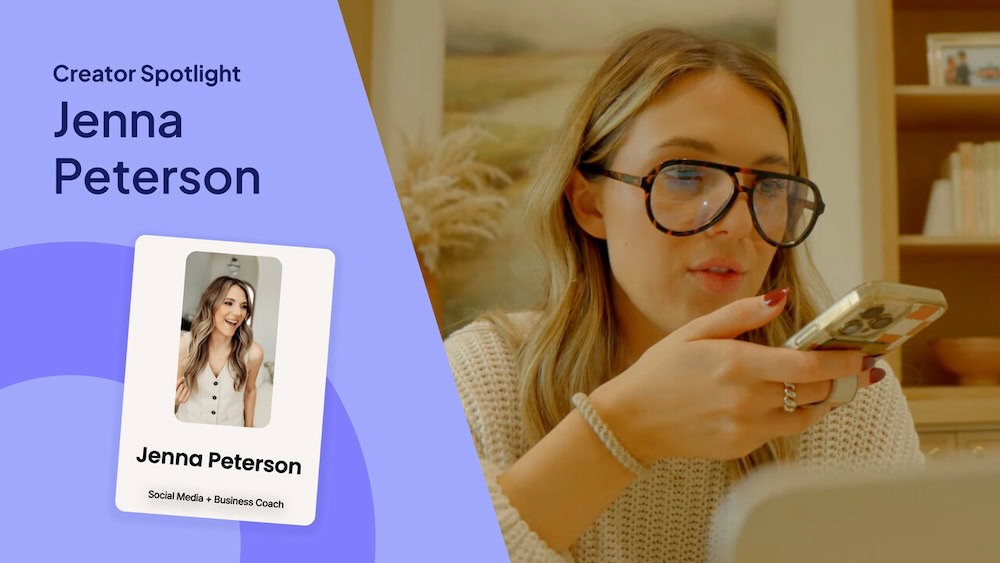
Jenna Peterson, for example, does not use her Stan bio link as a directory. It functions as a central hub for her business, prioritizing high-intent actions like courses, coaching calls, and lead magnets in one place.
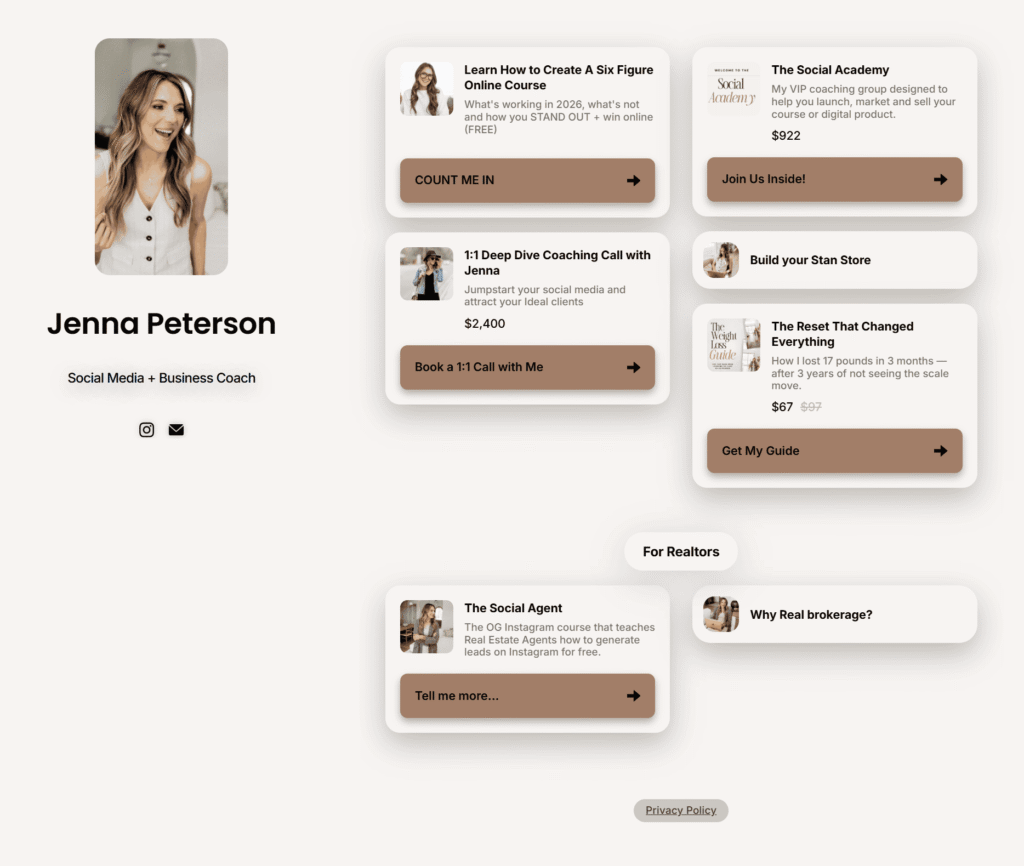
Instead of sending visitors in multiple directions, her bio guides attention deliberately based on what she is actively promoting and selling.
The question, then, is not whether link in bio platforms are still relevant. It is whether the one you choose actually supports the direction you want to grow.
Best Link in Bio Platforms at a Glance
- Best overall link in bio platform for creators building a business: Stan
Best suited for creators who want to sell digital products, collect emails, and turn traffic into revenue directly from their bio, without relying on a patchwork of tools. - Best free link in bio platform: Linktree
A solid starting point if you only need a simple list of links and are not focused on monetization or analytics yet. - Best link in bio for Instagram creators: Stan or Beacons
Good options for creators who want more control over layout, branding, and how Instagram traffic is directed. - Best link in bio for TikTok creators: Stan
Well suited for routing high-intent traffic from viral videos to products, email lists, or services with minimal friction. - Best link in bio for selling digital products: Stan
Built around native checkout, delivery, and audience capture, which shortens the path from interest to purchase. - Best link in bio for affiliate marketing: Beacons, Linktree, or Taplink
Commonly used for organizing outbound offers, though typically limited when it comes to deeper funnel tracking or ownership. - Best Linktree alternative for creators who want to scale: Stan
Designed for creators moving beyond link management and toward building a more complete creator business.
What Actually Makes the Best Link in Bio Platform?
Before comparing tools, it helps to step back and get clear on what you are choosing.
A link in bio platform is not just a collection of buttons. At its best, it acts as a bridge between attention and action. The right one makes it easier for people to understand what you offer and decide where to go next. The wrong one adds friction, spreads attention thin, or hides what is working.
To make a smart choice, it helps to evaluate platforms through a few core lenses.
1. Customization and Branding
Your bio link is often the first place someone experiences your brand outside a social feed.
The best link in bio platforms let you control how that experience feels. This includes layout flexibility, visual hierarchy, and branding elements like colors, fonts, and images.
More importantly, good customization helps you guide attention. What you place first matters. What stands out matters. A platform should support that intent, not force everything to look the same.
2. Analytics and Performance Tracking
Clicks alone are not enough.
Strong link in bio platforms go beyond basic click counts. They show you which links get attention, where traffic is coming from, and how people move through your page. This kind of visibility makes it easier to refine what you promote, rotate offers, and double down on what converts instead of guessing.
If a platform hides this data or limits it heavily, it becomes harder to grow intentionally.
3. Monetization Options
For creators building a business, monetization is not an add-on. It is the point.
Some platforms are designed purely to send traffic elsewhere. Others support selling directly, whether that is digital products, services, or subscriptions.
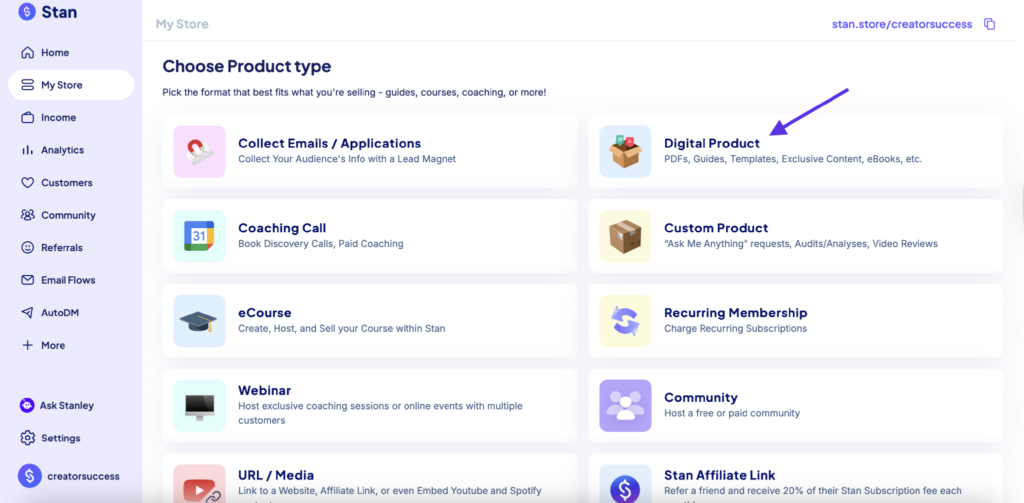
The best option depends on how you want to earn, but the key question is simple: Does the platform support your monetization model without unnecessary workarounds?
If selling requires multiple redirects or external tools, friction adds up quickly.
4. Lead Capture and Audience Ownership
Attention on social platforms is rented. Your audience is not.
A strong link in bio platform makes it easy to capture emails or other contact information so you can stay connected beyond algorithms. This is especially important for creators who want long-term stability.
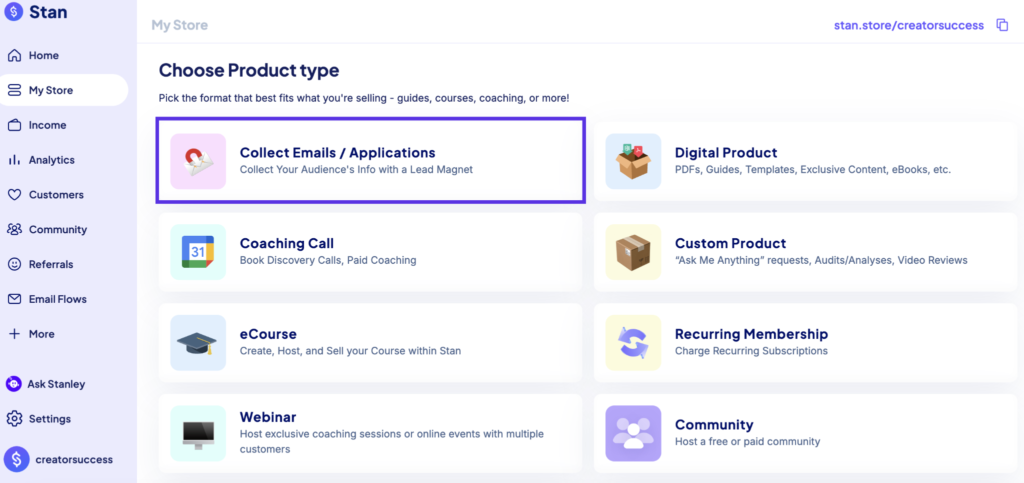
Platforms that support lead capture help turn casual interest into something you actually own and can build on.
5. Platform Support and Traffic Flow
Different platforms behave differently.
Instagram, TikTok, YouTube, and X all drive traffic in their own way. The best link in bio platforms account for this by making it easy to route traffic intentionally. That might mean sending different audiences to different destinations or highlighting specific actions based on where the click came from.
This flexibility becomes more important as your content and reach grow.
6. Scalability Beyond Simple Links
Finally, consider where you want to be in six months or a year.
Many creators outgrow their first link in bio tool. What starts as a simple list of links often needs to evolve into something more structured. The best platforms support that growth without forcing a full reset. They adapt as your goals change, rather than limiting what you can build.
With these criteria in mind, the comparison becomes less about which tool is popular and more about which platform fits your goals. Once you know what to look for, the differences between options become easier to spot, and the trade-offs more intentional.
The Best Link in Bio Platforms Compared
Now that the criteria are clear, it is easier to look at link in bio platforms for what they actually are.
Some tools are designed to organize links. Others are built to help creators convert attention into leads, sales, or long-term audience relationships. On the surface, many platforms look similar. In practice, they solve very different problems.
We will start with a platform built specifically around creator monetization and audience ownership, then move through other popular options and where they fit best.
1. Stan
Stan is not a traditional link in bio tool. It is a creator storefront and monetization platform that happens to live in your bio.
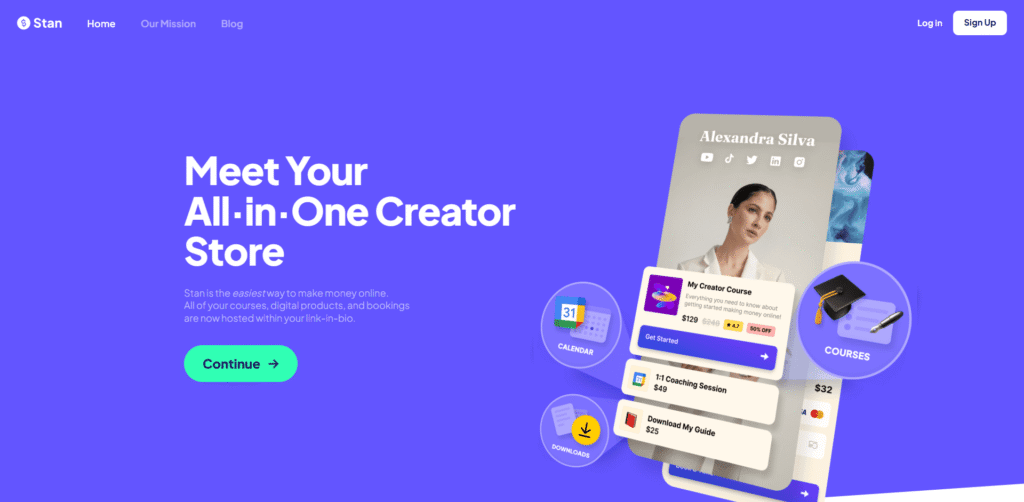
Instead of treating your bio as a list of destinations, Stan treats it as a place where transactions and conversions can actually happen. Our platform is built for creators who want to sell digital products, collect emails, offer services, and build a business directly from their audience, without sending people through multiple external tools.
That difference shows up immediately in how Stan is structured.
Selling Directly From Your Bio
One of Stan’s biggest strengths is that selling is native to the platform.
Creators can offer digital products, downloads, coaching, or services directly from their bio link. Checkout, delivery, and access all happen in one place. There is no need to stitch together a link tool, a checkout provider, and an email platform just to make a simple sale.
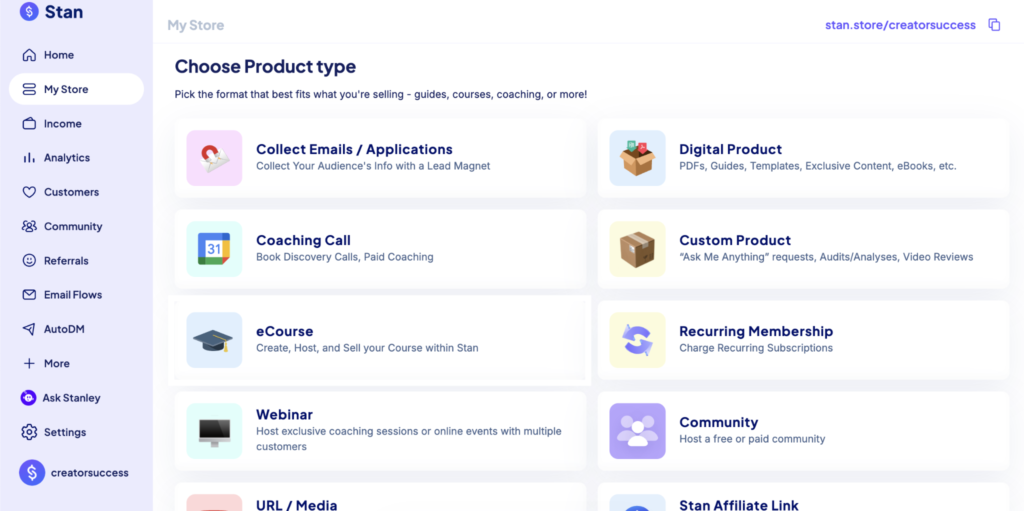
This matters because every extra step reduces conversions. Stan removes that friction by letting creators turn interest into revenue the moment someone clicks.
Built for Audience Ownership, Not Just Traffic
Stan places a strong emphasis on audience ownership.
Email capture is a core part of our platform, not an add-on. Creators can collect emails directly from their bio and connect with their audience outside of social platforms. This gives creators more stability and flexibility, especially as algorithms and reach change over time.
Instead of relying entirely on platform-driven visibility, Stan helps creators build something they actually control.
Analytics That Go Beyond Clicks
Many link in bio tools stop at surface-level metrics.
Stan’s analytics are designed to connect traffic to outcomes. Creators can see what is being clicked, what is converting, and how different offers perform over time. This makes it easier to refine what appears in your bio, prioritize high-performing products, and make decisions based on data instead of guesswork.
For creators running a business, that visibility is critical.
A Platform That Scales With the Creator
Stan works well for creators at different stages.
Some start with a single product or lead magnet. Others build out full storefronts with multiple offers. As goals change, our platform adapts without requiring a complete rebuild or migration to a different tool.
This makes Stan especially appealing for creators who are thinking long-term, not just about their next post or campaign.
Where Stan Fits Best
Stan is a strong fit for:
- Creators selling digital products or services
- Creators who want to monetize directly from their bio
- Businesses and personal brands focused on audience ownership
- Creators who want fewer tools and a simpler stack
It may be more than necessary for creators who only need a static list of outbound links. But for anyone building a creator business, that depth is often the point.
If you want to test a monetization-first link in bio, you can try Stan free for 14 days.That window gives you enough time to set up your storefront, connect your offers, and see whether the platform aligns with how you want to grow.
2. Linktree
Linktree is the platform most people think of when they hear “link in bio.”
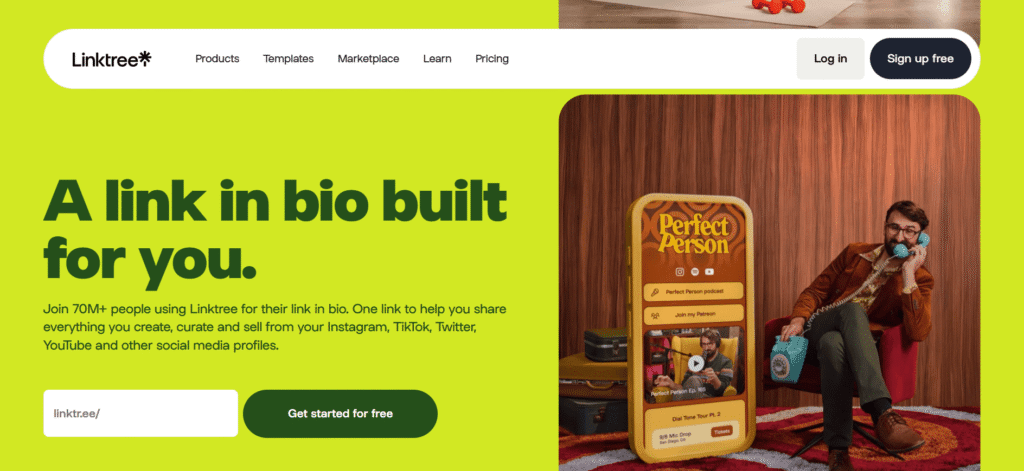
Its core purpose is simple: give creators a single page where they can place multiple outbound links. That simplicity is exactly why it became so popular. You can set it up quickly, drop in your links, and move on.
For creators who just need a clean hub to point followers to other platforms, Linktree does that job well.
Strengths: Simplicity and Familiarity
Linktree’s biggest advantage is how easy it is to use.
The interface is straightforward, the setup takes minutes, and most audiences already recognize the layout. For creators who want a no-friction way to organize links, that familiarity can be a plus.
Linktree also offers basic analytics and limited monetization features, which can be enough for early-stage creators who are still experimenting.
Limitations: Built for Link Management, Not Monetization
Where Linktree begins to fall short is depth.
Selling is not native to the experience. Lead capture is limited. Analytics focus mainly on clicks rather than outcomes. As creators start to think more seriously about monetization or audience ownership, they often find themselves layering additional tools on top of Linktree.
That added complexity is usually the signal that a creator has outgrown it.
Where Linktree Fits Best
Linktree works best for:
- Creators who want a simple list of outbound links
- Early-stage creators not yet focused on monetization
- Profiles that mainly redirect traffic elsewhere
It is less ideal for creators who want their bio to act as a storefront or conversion hub rather than a directory.
If you are weighing Linktree against more conversion-focused platforms, a direct comparison helps. See how they differ in monetization, analytics, and growth in our Stan vs Linktree breakdown.
3. Beacons
Beacons positions itself as more than a link list. It is closer to a lightweight creator website that lives in your bio.
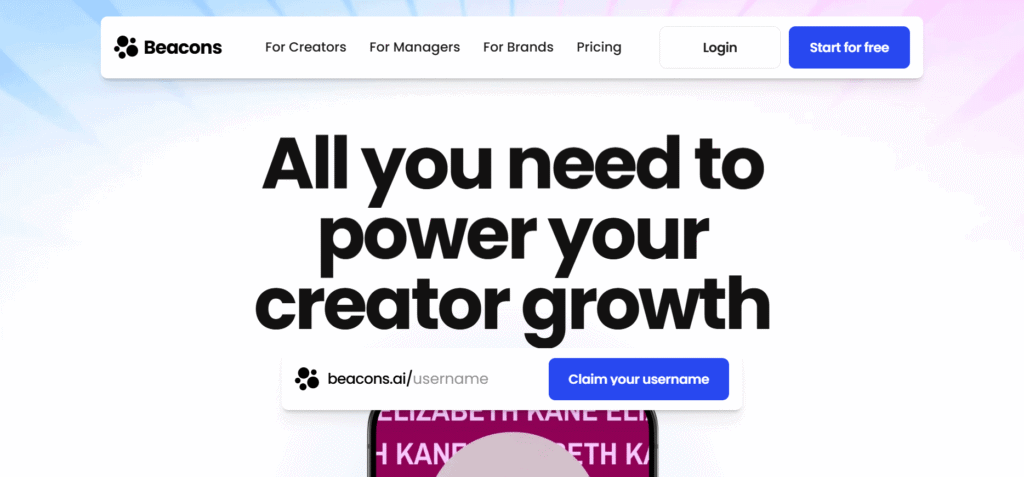
Instead of focusing purely on links, Beacons emphasizes layout flexibility, content blocks, and visual presentation. This makes it appealing to creators who care deeply about aesthetics and want their bio page to feel more like a branded destination.
Strengths: Customization and Presentation
Beacons offers significantly more customization than basic link tools.
Creators can add sections, media, and structured content blocks. This makes it easier to tell a story or highlight multiple parts of a brand in one place. For affiliate-focused creators, Beacons can work well as a way to organize and present multiple outbound offers cleanly.
Limitations: Conversion Depth and Funnel Control
While Beacons looks more flexible on the surface, monetization still tends to rely on redirects.
Selling, lead capture, and deeper funnel logic often require integrations or external tools. For creators focused primarily on driving traffic outward, this may be fine. For those trying to convert directly from their bio, it can introduce friction similar to simpler tools.
Where Beacons Fits Best
Beacons is a strong fit for:
- Creators who want more visual control over their bio page
- Affiliate marketers organizing multiple outbound offers
- Creators who value layout flexibility over native checkout
It is less suited for creators who want to centralize selling and audience capture in one place without additional tools.
If you are choosing between Beacons and platforms built more around monetization, a side-by-side view adds clarity. We cover those differences in our Stan vs Beacons comparison.
4. Campsite
Campsite sits firmly in the “simple but polished” category of link in bio tools.
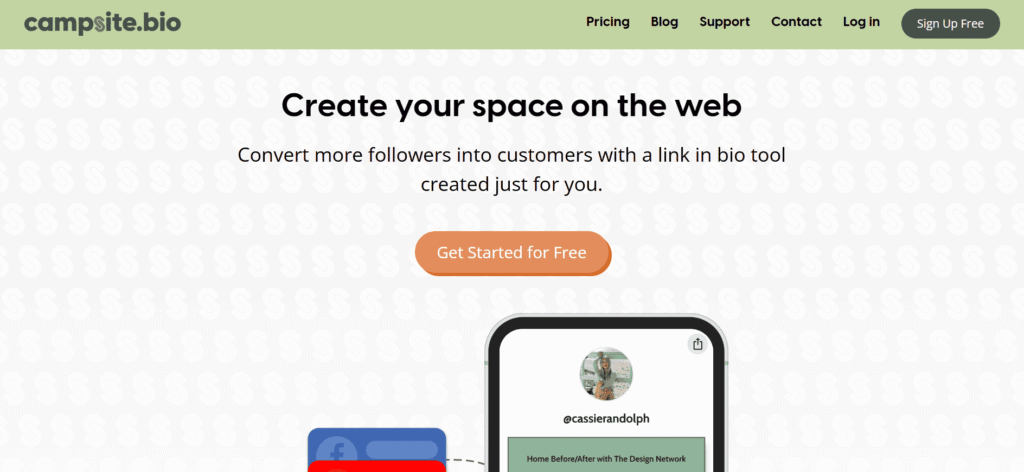
Its goal is to offer a cleaner, more customizable alternative to basic link lists without pushing creators into a full storefront or website-style experience. Setup is fast, layouts are tidy, and the platform stays focused on doing one thing well: organizing outbound links.
Strengths: Clean UX and Lightweight Customization
Campsite offers more visual control than barebones tools while staying easy to manage.
Creators can adjust layout styles, highlight priority links, and apply light branding without getting lost in too many options. For creators who want something that looks intentional but does not require ongoing maintenance, that balance can be appealing.
Analytics are present, though fairly high-level, and the experience is designed to stay uncluttered.
Limitations: Limited Depth for Monetization
Where Campsite starts to show its limits is conversion depth.
Selling is not native to the platform, and lead capture is minimal. As with many link-first tools, creators who want to monetize directly or build an owned audience often need to rely on external services, which adds friction over time.
Where Campsite Fits Best
Campsite works well for:
- Creators who want a clean, professional link hub
- Users who value simplicity over advanced features
- Profiles primarily redirecting traffic to other platforms
It is less suited for creators who want their bio to act as a conversion or sales destination.
5. Lnk.bio
Lnk.bio is one of the most minimalist link in bio tools available.
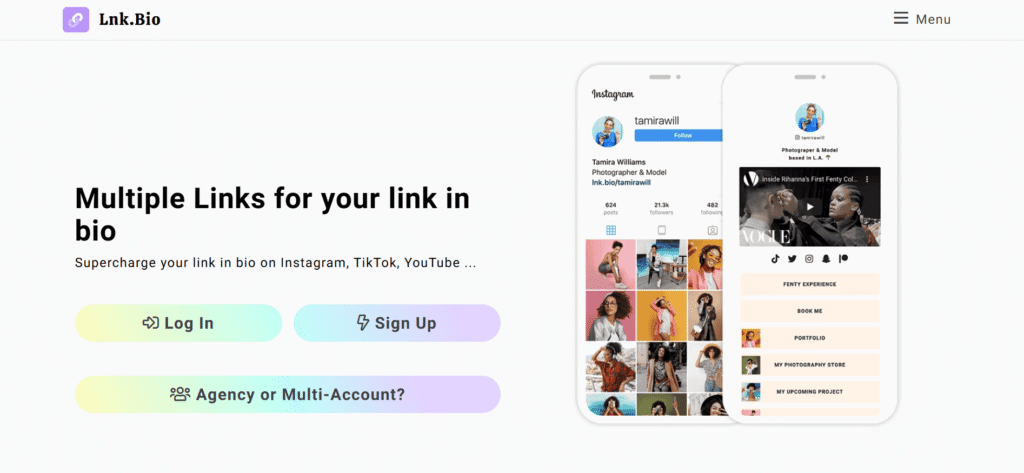
The platform focuses almost entirely on speed and simplicity. You add your links, choose a basic layout, and publish. There are very few distractions, which is exactly the point.
Strengths: Speed and Ease of Use
Lnk.bio’s biggest advantage is how quickly it gets out of the way.
There is little to configure and very little to maintain. For creators who want a functional bio link with minimal setup and no ongoing decisions, that simplicity can be refreshing.
Limitations: Very Limited Insight and Flexibility
The trade-off for that simplicity is depth.
Customization options are limited, analytics are basic, and there is no native support for monetization or lead capture. As a result, Lnk.bio works best as a temporary or entry-level solution rather than a long-term hub.
Where Lnk.bio Fits Best
Lnk.bio is best for:
- Creators who want the fastest possible setup
- Minimalist profiles with few links
- Short-term or low-maintenance use cases
For creators thinking about growth, testing, or monetization, its limitations tend to surface quickly.
6. Taplink
Taplink takes a more visual, block-based approach to the link in bio experience.
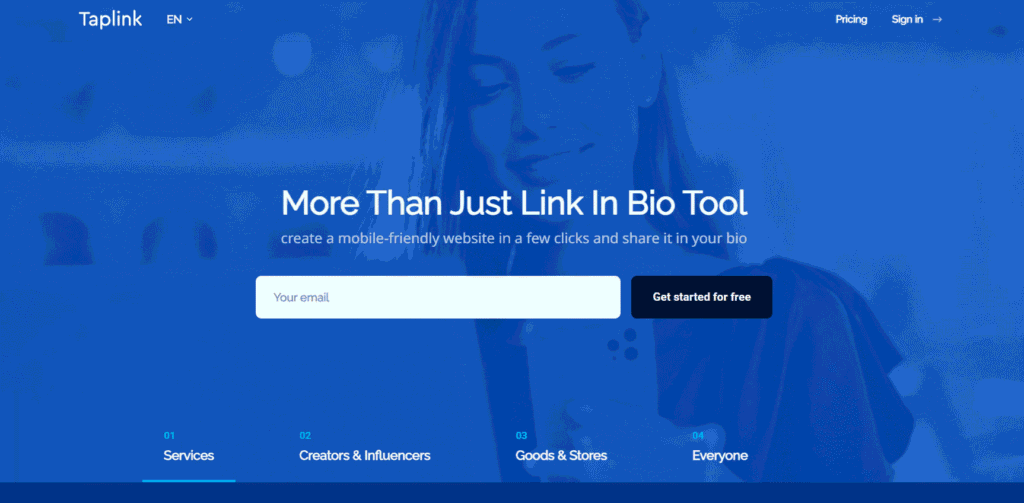
Instead of a simple list of links, Taplink lets creators build structured pages with buttons, text blocks, images, forms, and embeds. The goal is to create a richer, mobile-first destination that feels closer to a mini landing page than a link hub.
Strengths: Visual Layouts and Page Structure
Taplink’s biggest strength is flexibility at the layout level.
Creators can group content, highlight sections, and add context around links instead of presenting everything equally. This can work well for creators who want to explain offers, guide visitors step by step, or present multiple actions in a more intentional order.
The platform also supports basic forms and integrations, which can be useful for simple lead capture or inquiries.
Limitations: Complexity Without a Clear Conversion Center
With that flexibility comes complexity.
Taplink pages can become crowded if not managed carefully, and monetization often relies on external tools rather than native checkout. For creators focused on clarity and speed to conversion, this can introduce friction, especially as offers change over time.
It rewards hands-on setup, but it is less forgiving if left unoptimized.
Where Taplink Fits Best
Taplink works best for:
- Creators who want more control over page layout
- Users building bio pages that resemble mini websites
- Use cases where explanation matters as much as linking
It is less ideal for creators who want a streamlined path from click to purchase with minimal setup.
7. Bio.fm
Bio.fm focuses on modular content blocks rather than traditional links.
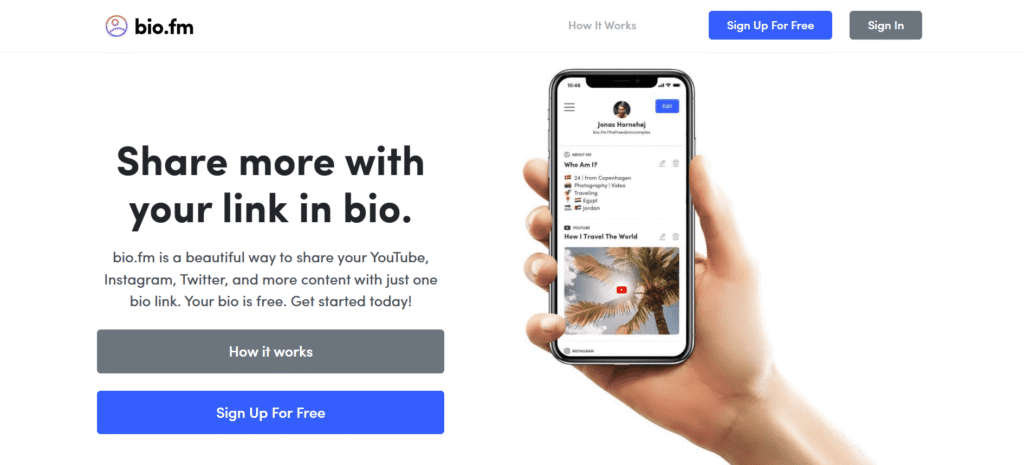
Creators can add different block types such as text, images, videos, embeds, and links, then arrange them into a scrolling page. The emphasis is on creative expression and storytelling rather than strict conversion flow.
Strengths: Creative Flexibility and Expression
Bio.fm gives creators room to experiment.
The block-based system allows for more expressive pages that can feel personal and dynamic. For creators who want their bio to reflect their personality or showcase a mix of content, this flexibility can be appealing.
It works particularly well for creators who treat their bio as an extension of their brand identity.
Limitations: Weak Conversion and Monetization Focus
Where Bio.fm struggles is conversion structure.
Pages can look good but lack a clear primary action. Monetization, analytics, and lead capture are limited compared to more business-focused platforms. As a result, Bio.fm is better suited for presentation than performance.
For creators trying to measure results or monetize directly, those limitations become noticeable.
Where Bio.fm Fits Best
Bio.fm is a good fit for:
- Creators prioritizing visual storytelling
- Personal brands experimenting with layout and content
- Use cases where aesthetics matter more than conversion
It is less suited for creators who want their bio link to function as a revenue or lead-generation hub.
8. Milkshake
Milkshake is built around one idea: making link in bio pages feel native to Instagram.
Instead of a traditional scrolling page, Milkshake uses a card-based layout that resembles Instagram Stories. Creators swipe through cards, each one highlighting a link, message, or call to action. The experience is visual, mobile-first, and intentionally opinionated.
Strengths: Visual Storytelling and Simplicity
Milkshake shines when presentation is the priority.
The card format encourages creators to focus on one idea at a time rather than overwhelming visitors with options. For creators who value aesthetics and want their bio to feel like an extension of their Instagram content, this approach can feel natural and engaging.
Setup is also straightforward, especially for creators already comfortable working in mobile-first environments.
Limitations: Limited Flexibility and Scalability
The same structure that makes Milkshake appealing can also be limiting.
Customization options are constrained by the card format, analytics are basic, and monetization relies heavily on external links. As creators add more offers or want clearer conversion paths, the experience can start to feel restrictive.
Milkshake works best when goals are simple and static.
Where Milkshake Fits Best
Milkshake is best suited for:
- Instagram-first creators focused on visual storytelling
- Creators promoting a small number of links at a time
- Use cases where design matters more than optimization
It is less ideal for creators who want their bio to evolve into a storefront.
9. Carrd (Used as a Link in Bio)
Carrd is not a link in bio tool by design. It is a one-page website builder that many creators adapt for bio use.
Because of that, Carrd offers significantly more flexibility than most dedicated link in bio platforms. Creators can build fully custom pages, control layout precisely, and design pages that feel closer to standalone websites than bio links.
Strengths: Flexibility and Control
Carrd’s biggest advantage is freedom.
Creators can design pages exactly how they want, embed forms, add sections, and control the overall structure without being locked into a preset system. Pricing is also accessible, which makes Carrd attractive to creators who want customization without a large monthly commitment.
For technically comfortable users, this flexibility can be powerful.
Limitations: Not Creator-Native
Carrd’s flexibility comes at a cost.
Because it is not built specifically for creators, there is no native monetization flow, no built-in analytics tailored to bio traffic, and no audience management features. Selling, lead capture, and tracking often require third-party tools and manual setup.
For creators who want speed and simplicity, that overhead can add up quickly.
Where Carrd Fits Best
Carrd works well for:
- Creators who want full design control
- Users comfortable managing integrations
- Static or semi-static bio pages
It is less suited for creators looking for an all-in-one, creator-native platform that handles monetization and growth out of the box.
10. Gumroad
Gumroad is a digital product platform first, not a link in bio tool.
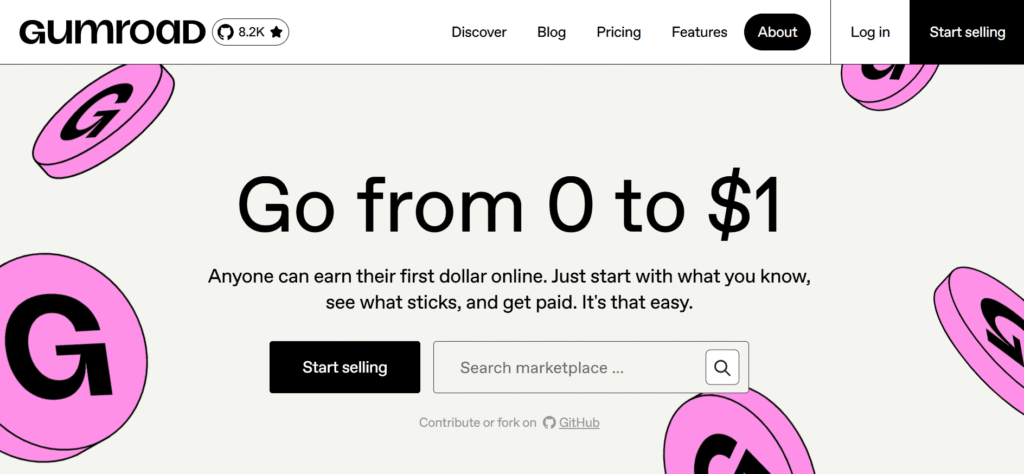
Creators often use it as a bio link because it handles payments, file delivery, and basic customer management in one place. For selling a single product or a small set of downloads, that simplicity can be appealing.
Strengths: Simple Digital Product Sales
Gumroad’s strength is speed to sale.
You can upload a product, set a price, and start selling quickly without worrying about complex setup. For creators validating an idea or selling one-off products, that low barrier can be useful.
Limitations: Not Built as a Bio-First Platform
Where Gumroad falls short is everything around the sale.
It is not designed to guide traffic, structure a bio experience, or capture leads beyond a purchase. Analytics are product-focused rather than bio-focused, and customization is limited. As creators add more offers or want clearer routing from social traffic, Gumroad can feel narrow.
For many creators, it becomes one piece of a larger stack rather than the center.
Where Gumroad Fits Best
Gumroad works best for:
- Creators selling a small number of digital products
- Early-stage monetization or product validation
- Use cases where checkout matters more than presentation
For creators comparing Gumroad with more bio-native platforms, seeing the differences side by side can help clarify trade-offs. Our in-depth Stan vs Gumroad comparison breaks this down in detail, especially around monetization flow and audience ownership.
11. Kajabi
Kajabi is an all-in-one platform built for selling courses, memberships, and digital programs.
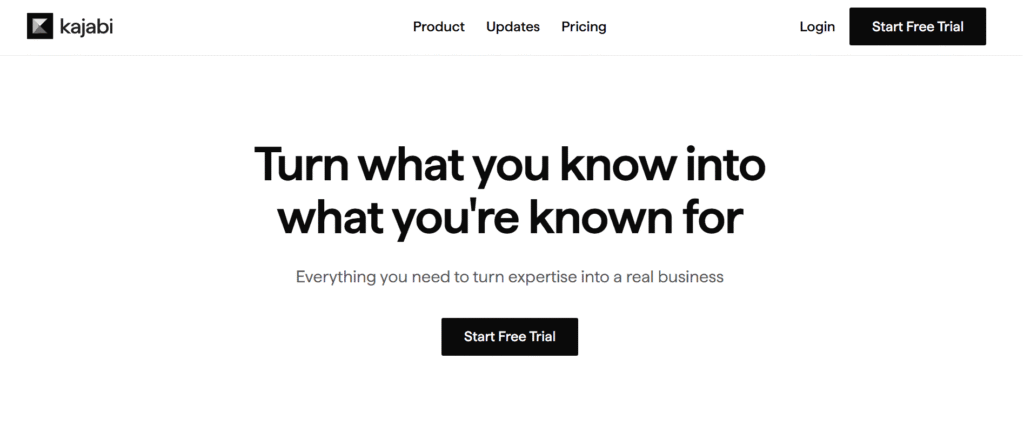
It is not a link in bio platform by design. However, some creators use Kajabi pages as the destination their bio links point to, especially when education products sit at the center of their business.
In that setup, Kajabi functions more like a gated destination than a flexible bio hub.
Strengths: Structured Education and Memberships
Kajabi’s biggest strength is structure.
It handles course hosting, member access, payments, and email marketing in one system. For creators running premium programs, cohorts, or memberships, that consolidation can simplify operations significantly.
If your primary goal is to enroll students into a specific program, linking directly to Kajabi can work.
Limitations: Heavy for Bio-First Use Cases
Where Kajabi struggles is flexibility at the top of the funnel.
It is not built to act as a dynamic bio destination where traffic is routed, offers are rotated, or multiple actions are prioritized. Pages are often designed around a single program or outcome, which limits how creators adapt their bio as content, campaigns, or goals change.
Cost is also a factor. Kajabi’s pricing makes sense for established education businesses, but it can feel excessive if all you need is a conversion-focused bio hub.
Where Kajabi Fits Best
Kajabi works best for:
- Creators selling structured courses or memberships
- Education-first businesses with defined programs
- Use cases where enrollment is the primary action
For creators choosing between Kajabi and more bio-native platforms, seeing how each fits into a broader creator stack can be helpful. Our detailed Stan vs Kajabi comparison walks through where each platform excels and where trade-offs appear as your business grows.
12. Shopify
Shopify still shows up in link in bio searches for a reason.
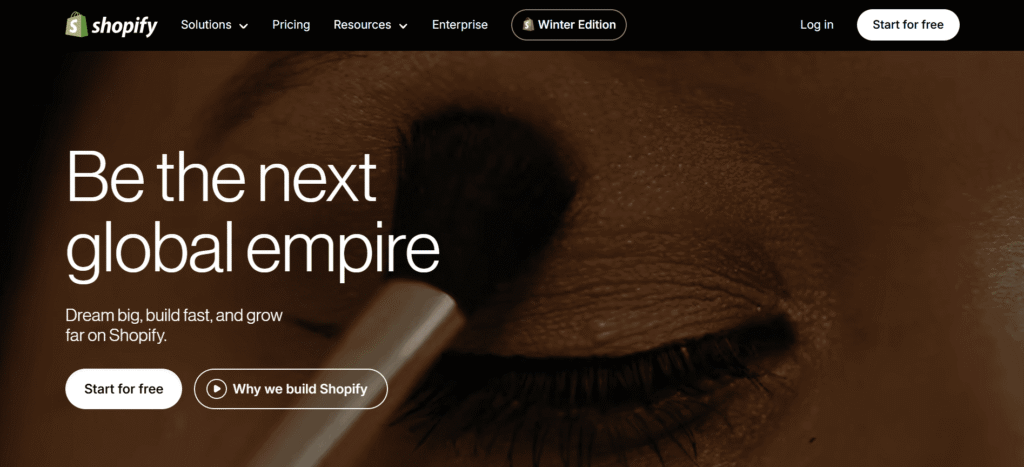
For a long time, it was one of the most visible platforms exploring how creators could turn their bio link into a shoppable experience through its Linkpop product.
Many creators adopted it, wrote about it, and still reference it when comparing tools today. That history keeps Shopify part of the conversation, even though its approach has since changed.
Because of this, creators often end up asking how Shopify compares to creator-native platforms built specifically around monetization and audience ownership.
We explore that shift in detail in our Stan vs Shopify comparison, but it is still worth understanding Shopify’s role on its own and where it fits today.
What Changed: Shopify No Longer Offers a Link in Bio Tool
Shopify has since discontinued Linkpop and no longer provides a native link in bio solution.
Creators can no longer create or manage Shopify-hosted bio pages. Today, Shopify’s focus is squarely on powering ecommerce stores, not serving as a bio destination.
This shift matters because it changes how Shopify fits into a creator’s stack.
Strengths: Enterprise-Grade Commerce Infrastructure
Where Shopify continues to excel is scale and reliability.
For creators selling physical products or running brand-led ecommerce businesses, Shopify remains one of the most powerful commerce backends available. Its ecosystem, integrations, and operational depth are difficult to match.
That strength, however, lives downstream from social traffic.
Limitations as a Link in Bio Solution
Without a native bio tool, Shopify is not built to:
- Structure a bio-first experience
- Route traffic intentionally from social platforms
- Capture leads at the top of the funnel
- Provide bio-level analytics tied to social behavior
Using Shopify alone as a link in bio solution is no longer realistic. It requires pairing with a creator-native platform that handles discovery, routing, and conversion before checkout.
Where Shopify Fits Today
Shopify makes sense for:
- Creators selling physical products at scale
- Brands with complex ecommerce needs
- Businesses using a dedicated storefront alongside a separate link in bio platform
In this setup, Shopify works best as the commerce engine, with a separate link in bio platform handling discovery and conversion from social traffic.
Best Link in Bio Platforms by Creator Type
Not every creator uses their bio link the same way. Some want to send traffic outward. Others want to monetize directly. Some are building an audience-first brand, while others are optimizing for offers and conversions.
Below is how different tools tend to perform depending on creator type.
For Creators and Influencers Building a Business
Creators treating their work as a business usually need more than a list of links.
Common needs include:
- Selling digital products or services
- Capturing emails
- Routing traffic intentionally
- Understanding what converts
Platforms like Stan are built for this use case. Monetization, email capture, and analytics are native, which reduces the need for a complex tool stack.
Creators in this category sometimes start with tools like Beacons or Campsite, but often move toward more conversion-focused platforms as their business grows.
For Affiliate Marketers
Affiliate creators prioritize clarity and organization.
Their bio links usually need to:
- Present multiple outbound offers clearly
- Avoid overwhelming visitors
- Provide basic insight into what gets clicked
Tools like Beacons, Linktree, and Taplink are commonly used here. They make it easy to structure links, highlight priorities, and keep setup simple.
As affiliate strategies mature, some creators layer in platforms that allow lead capture or deeper analytics to better understand traffic behavior.
For Musicians and Artists
Musicians often use their bio as a discovery hub.
Typical goals include:
- Linking to streaming platforms
- Promoting new releases
- Highlighting merch or tour dates
- Maintaining a consistent brand look
Visual-first tools like Milkshake and Bio.fm work well for this use case, especially when aesthetics and storytelling matter more than direct conversion.
Artists selling music or merch directly may prefer platforms that combine presentation with checkout, depending on how central monetization is to their strategy.
For Fitness Coaches and Service-Based Creators
Coaches, consultants, and service providers usually want fewer choices, not more.
Their bio links often focus on:
- Promoting a primary offer
- Capturing leads
- Booking calls or consultations
Platforms that support clear calls to action perform best here. Stan works well for creators offering paid programs or services, while tools like Taplink or Carrd can work for creators who want more control over page structure.
The key is minimizing friction between interest and action.
For Creators Selling Digital Products
Creators selling ebooks, templates, downloads, or digital resources benefit most from direct monetization.
Instead of sending visitors through multiple tools, platforms like Stan allow creators to host products, process payments, deliver content, and capture emails in one place.
Some creators start with product-focused tools like Gumroad, but often outgrow them once they want more control over branding, funnels, and audience ownership from their bio link.
The pattern across all creator types is consistent.
There is no single platform that fits everyone. The best link in bio platform is the one that aligns with how you create, how you monetize, and how intentionally you want to grow.
Instagram and TikTok Link in Bio Best Practices
No matter which platform you choose, how you use your link in bio matters just as much as the tool itself.
Instagram and TikTok behave differently, audiences arrive with different intent, and the way traffic flows from content to profile is not the same. Treating both platforms the same is one of the most common mistakes creators make.
Here’s how to approach each one more intentionally:
Instagram Link in Bio Best Practices
On Instagram, your bio link supports discovery, not urgency.
Most people land on your profile after seeing a Reel, post, or Story. They are curious. They want context. That means your link in bio should help them orient quickly and choose a clear next step.
What works best on Instagram:
- Lead with one primary action at the top
- Keep secondary links clearly grouped or deprioritized
- Match link labels to the language you use in your content
- Update your primary link when promoting something specific
Instagram now allows multiple native links, but attention is still limited. A focused link in bio page often performs better than scattering options across several links.
Creators who sell or capture leads tend to benefit from a single destination that:
- Explains what you offer
- Makes the next step obvious
- Reduces decision fatigue
The goal is clarity, not completeness.
TikTok Link in Bio Best Practices
On TikTok, intent is different.
People often arrive at your profile right after watching a video that sparked interest or urgency. They are not browsing. They are responding. Your link in bio should reflect that mindset.
What works best on TikTok:
- Send traffic to one clear outcome
- Align the link with the specific video that drove the click
- Avoid long lists of equal-priority links
- Optimize for speed to action
High-performing TikTok creators often rotate their bio link based on what is currently getting traction. When a video goes viral, the bio link should reinforce the same message or offer, not redirect attention elsewhere.
Because TikTok traffic tends to be more impulsive, platforms that support:
- Direct monetization
- Native lead capture
- Minimal redirects
…often perform better than static link lists.
One Rule That Applies to Both Platforms
Your bio link should never be static.
Content changes. Campaigns change. Offers change. The best-performing creators treat their link in bio as an active part of their system, not a one-time setup.
Whether you are using Instagram or TikTok, the principle is the same:
- One audience
- One clear next step
- One destination that supports your goal
When your bio link aligns with your content and your intent, conversion becomes a lot more predictable.
Five Common Link in Bio Mistakes That Kill Conversions
Most link in bio pages do not fail because of the tool. They fail because of how they are used.
These mistakes are easy to make, especially when creators set up their bio once and never revisit it. Over time, small issues compound and quietly reduce conversions.
Here are the most common ones:
1. Treating Every Link as Equal
When everything looks important, nothing stands out.
Many bio pages present a long list of links with no clear hierarchy. Visitors are forced to decide where to go without guidance, which often leads to no action at all.
A strong link in bio page makes one primary action obvious and supports it with secondary options, not competitors for attention.
2. Too Many Links, Too Little Direction
More links do not mean more value.
In most cases, adding options increases friction. Visitors skim, hesitate, and leave. This is especially damaging on mobile, where attention spans are shorter and decision fatigue sets in quickly.
Fewer links, clearly framed, almost always convert better.
3. No Clear Call to Action
Links without context are easy to ignore.
Generic labels like “My website” or “Click here” do little to explain what someone gets by clicking. Clear calls to action set expectations and reduce uncertainty.
Your bio link should answer one simple question immediately: Why should I click this right now?
4. Sending Traffic Through Too Many Steps
Every extra step is a drop-off point.
When a bio link sends visitors to a page that then sends them somewhere else, conversions suffer. This is especially true for impulse-driven traffic from platforms like TikTok.
The more direct the path from interest to action, the better the outcome.
5. Never Updating the Bio Link
A static bio link signals a static strategy.
Creators often change content, launches, and campaigns, but leave their bio link untouched. This creates a disconnect between what people see in content and where they are sent next.
High-performing creators adjust their bio link based on what they are promoting and what is getting traction.
Choosing the Best Link in Bio Platform for Your Goals
Choosing a link in bio platform can feel like a small decision, but it rarely is.
Your bio is where curiosity turns into intent. It is where people decide whether to explore further, support your work, or move on. The platform you choose quietly shapes how easy or difficult those moments become.
Some tools are built to organize links. Others are built to help you build something more sustainable. Neither approach is wrong, but they lead to very different outcomes over time.
If you are focused on turning attention into revenue, leads, or long-term audience relationships, your link in bio needs to do more than redirect traffic. It needs to support the way you actually grow.
The goal is not to choose the “best” tool on paper. It is to choose the one that makes your next step clearer for both you and the people who click.
FAQs
1. What is the best link in bio platform for creators?
The best link in bio platform for creators depends on how they monetize. Creators focused on selling digital products, capturing emails, and building a business tend to use platforms like Stan, while creators who only need to organize outbound links may prefer simpler tools.
2. What is the best free link in bio tool?
The best free link in bio tools are typically Linktree and Beacons, as they allow creators to list multiple links at no cost. However, free plans usually come with limits on branding, analytics, and monetization features.
3. Is Linktree still the best link in bio option?
Linktree is still a popular option for organizing links, but it is no longer the best choice for every creator. As creators prioritize monetization, lead capture, and ownership, many move toward platforms that offer deeper conversion and analytics capabilities.
4. What is the best link in bio platform for Instagram creators?
Instagram creators benefit most from platforms that highlight a clear primary action and reduce decision fatigue. Tools like Stan and Beacons are commonly used because they offer more layout control and flexibility than static link lists.
5. What is the best link in bio for selling digital products?
The best link in bio for selling digital products is one that supports native checkout and delivery. Platforms like Stan allow creators to sell directly from their bio, reducing friction and improving conversion rates.
6. Do businesses need a link in bio platform?
Businesses that drive traffic from social platforms often benefit from a link in bio platform because it provides a focused destination for campaigns, sign-ups, and offers. Instead of sending visitors to a general homepage, businesses can guide traffic more intentionally.
7. Are link in bio tools worth it in 2026?
Link in bio tools are still worth using when the goal is control and conversion, not just access. While native multi-link bios exist, dedicated platforms offer better tracking, clearer structure, and more flexibility for monetization and growth.