
TL;DR: 2026 will redefine what it means to build online. From AI-powered growth and dwindling reach to the rise of owned income streams, in-person events, and Creator-Entrepreneurship, the Creator Economy is changing in real-time. Here are the trends that will shape this year and how you can get ahead of them.
2026 will no doubt be pivotal for Creators. Brands and world leaders are finally waking up to Creators’ power and rising potential. AI is redefining content creation, giving everyone limitless creative bounds.
And Creators are boldly standing up for themselves—building independent businesses, audiences they own, and diversified income streams.
In 2026, it’s no longer just about going viral or getting brand deals—it’s about charting your own path and owning your future. And while the world as we know it rapidly evolves, Creators are adapting right along with it.
Here’s what’s coming in 2026 and how you can capitalize on it.
Our Predictions: Top Creator Trends of 2026
1. Creator and Entrepreneur will become synonymous
The line between Creator and entrepreneur is becoming blurrier. Most entrepreneurs are Creators building their personal brand, and most Creators are entrepreneurs using their audience as a distribution channel.
And these days, they’re not just sharing content—they’re building business. Rather than relying on unpredictable platform payouts or brand deals, Creators are building diversified income streams they own.
We’re already seeing more Creators launch product lines, build teams, raise capital, and step into roles traditionally held by founders and C-suite executives.
MrBeast, Emma Chamberlain, and Alex Cooper are prime examples—running multi-seven-figure businesses powered by everything from digital products and consumer lines to podcasts, streaming deals, and merch. They’re not “posting online.” They’re building empires.
2. Establishing a strong personal brand will be crucial to success
Building a personal brand opens doors, expands your network, puts you in rooms full of opportunity, and gives you leverage in uncertain times. Whether you’re a full-time Creator or working a 9-5, having an audience gives you something no employer, platform, or AI innovation can take away: options.
And at a time when the future feels more uncertain than ever, that’s one of the most valuable assets you can have.
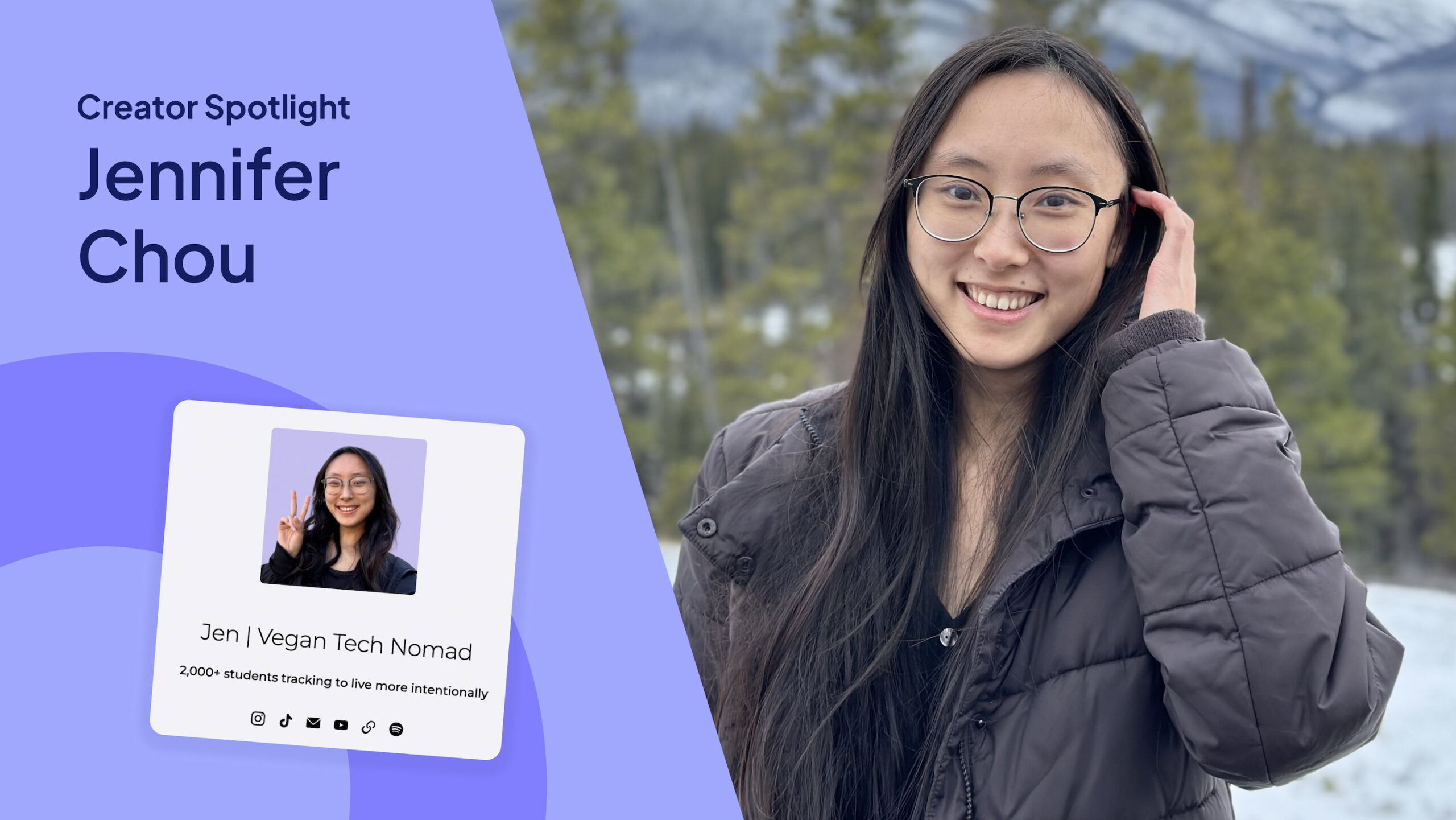
Take it from Creators like Jennifer Chou, who was grateful to have already built a Creator brand when she was unexpectedly laid off from her full-time job. Having an audience gave her something to fall back on, opening the door to new opportunities when she needed them most.
Or Daria Gocal, who, just a year ago, was still at an office job. She never imagined that becoming a Creator and opening a little crochet studio in Barcelona would take her to Copenhagen for a work trip, introduce her to Steven Bartlett, and put her in a room with the teams at DOAC and Stan.
3. We’ll see more Creators invest in the Creator economy
We’ve already begun to see top Creators invest directly into the future of the Creator economy, putting their money behind platforms and people they believe will propel it forward.
Today’s Creators are:
- Backing Creator platforms: Last year, Stan raised the largest Creator-led funding round ever, backed by Steven Bartlett and GaryVee.
- Funding Creator brands: Steven has continued investing heavily in other Creator’s brands as part of his vision to build the “Disney of the Creator economy,” including a seven-figure investment in Maggie Sellers Reum’s Hot Smart Rich.
- Shaping Creator commerce: Sofia Richie Grainge recently invested in ShopMy to have a real say in how people discover and shop style online.
- Building Creator ecosystems: Alex Cooper continues to invest in the next generation of Creator-led media through Unwell Network, backing podcasts and Creators she believes can reach her level of cultural influence, like Chloe Veitch and Kendall Vertes.
And this is just the beginning—we expect to see more Creators of all sizes step forward as investors to help shape what’s next for the Creator economy.
4. Strategic storytelling will matter more than ever
Between fleeting attention spans, dwindling social media use, and widespread drops in platform engagement, it’s becoming increasingly challenging to get your content in front of people.
In 2026, growth won’t come from chasing trends or virality—it’ll come from telling better stories. The Creators who win will think in narratives, not posts, and give their audience a reason to keep coming back.
Now more than ever, content creation has to be intentional—talk to one specific target audience, consistently share value, and prioritize quality over quantity.
“My biggest bet in 2026 is shifting from ‘content as output’ to ‘content as infrastructure.’ I’m treating every video like an anchor piece inside a larger architecture: a series, a philosophy, a character arc, a worldview. The experiment is simple: prove that Creators who build systems instead of “posts” will outpace those chasing virality. I’m building structures designed to hold people, not just attract them.”
– Jefferson Isesele, Stan 25 in 25 winner
But doing it all as a Creator—and consistently—is easier said than done. It’s why so many eventually fall out of rhythm, slow their posting, or burn out from overextending themselves. And it’s why more Creators will start embracing AI.
5. AI will power the next wave of Creator growth
More people are becoming Creators, but many don’t know where to start. Or they’re already Creators, but want a simple way to grow sustainably without juggling everything themselves.
And who can blame them? Being a Creator is HARD.
But as the Creator economy becomes more saturated, gaining traction will demand even more from Creators—fierce consistency, grit, and proven strategies.
That’s where tools, like Stanley, can help. Instead of figuring out everything yourself, you can use Stanley to guide your next move and build momentum.
The days of digging through your past posts to see what worked, mapping out a strategy, or scripting every video are over. Stanley analyzes your content and audience, writes in your voice, and helps you turn ideas into consistent income.
“I’m a huge fan of using AI as an assistant, a supporter, and a tool to make my systems more efficient. I’m excited about the ways that AI can allow me and my team to spend less time bogged down in the nitty-gritty and spend more time focusing on what we are truly great at.”
– Brock Johnson, Instagram Growth Coach & Creator Educator
6. More brands will bring Creators in-house
When @YourRichBFF, Vivian Tu, joined SoFi as Chief of Financial Empowerment, it signaled a broader shift in the economy: Brands are finally looking to Creators as integral to growth vs. one-off marketers.
And they’re realizing what Creators have already known: audiences can spot inauthenticity a mile away. So instead of investing in short-term brand deals, companies are looking to build long-term alliances with Creators who reflect their values and genuinely use their products.
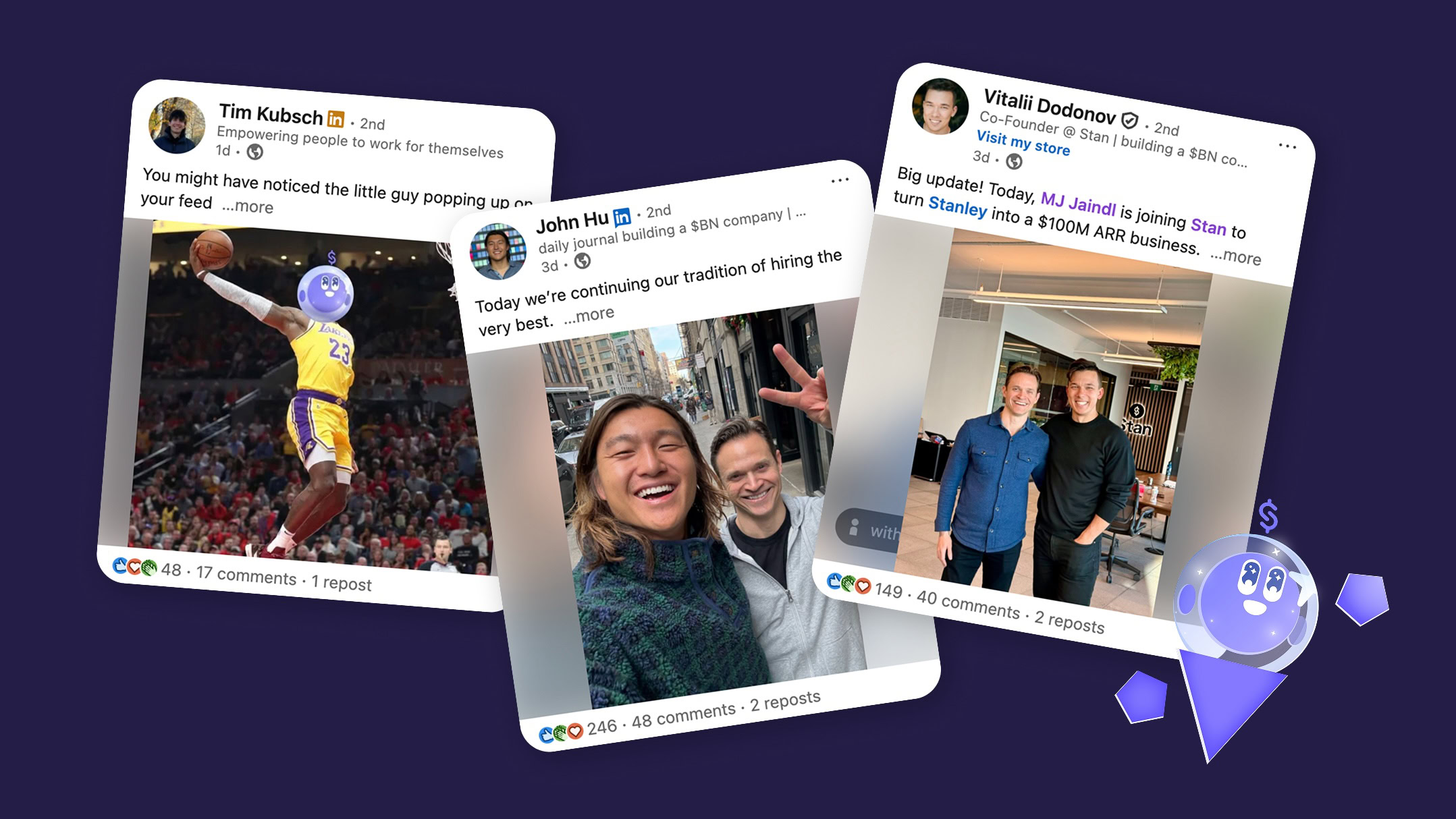
We’re seeing more examples of this across the industry—including at Stan, where top LinkedIn Creator MJ Jaindl recently joined the team to help lead Stanley, our LinkedIn AI agent.
This year, we’ll see more Creator involvement in product development and marketing strategies, and brands hiring Creators instead of partnering with them.
7. Creators will prioritize income streams and audiences they own
Ad revenue, platform payouts, and brand deals are unpredictable, and Creators are sick and tired of living at the whim of an algorithm. That’s why more Creators are shifting toward income streams they can control, like digital downloads, courses, memberships, or paid communities.
At the end of the day, Creators want stability, and building their own is the most reliable path forward. With platforms tightening payouts and showing more volatility, diversification is no longer optional—it’s key to survival.
And if TikTok’s temporary US ban taught us anything, it’s this: you can’t rely on social platforms alone to build a sustainable business.
Today’s Creators know it’s crucial to safeguard their audience, so many are focused on getting their followers out of an app and into something they truly own (like an email list).
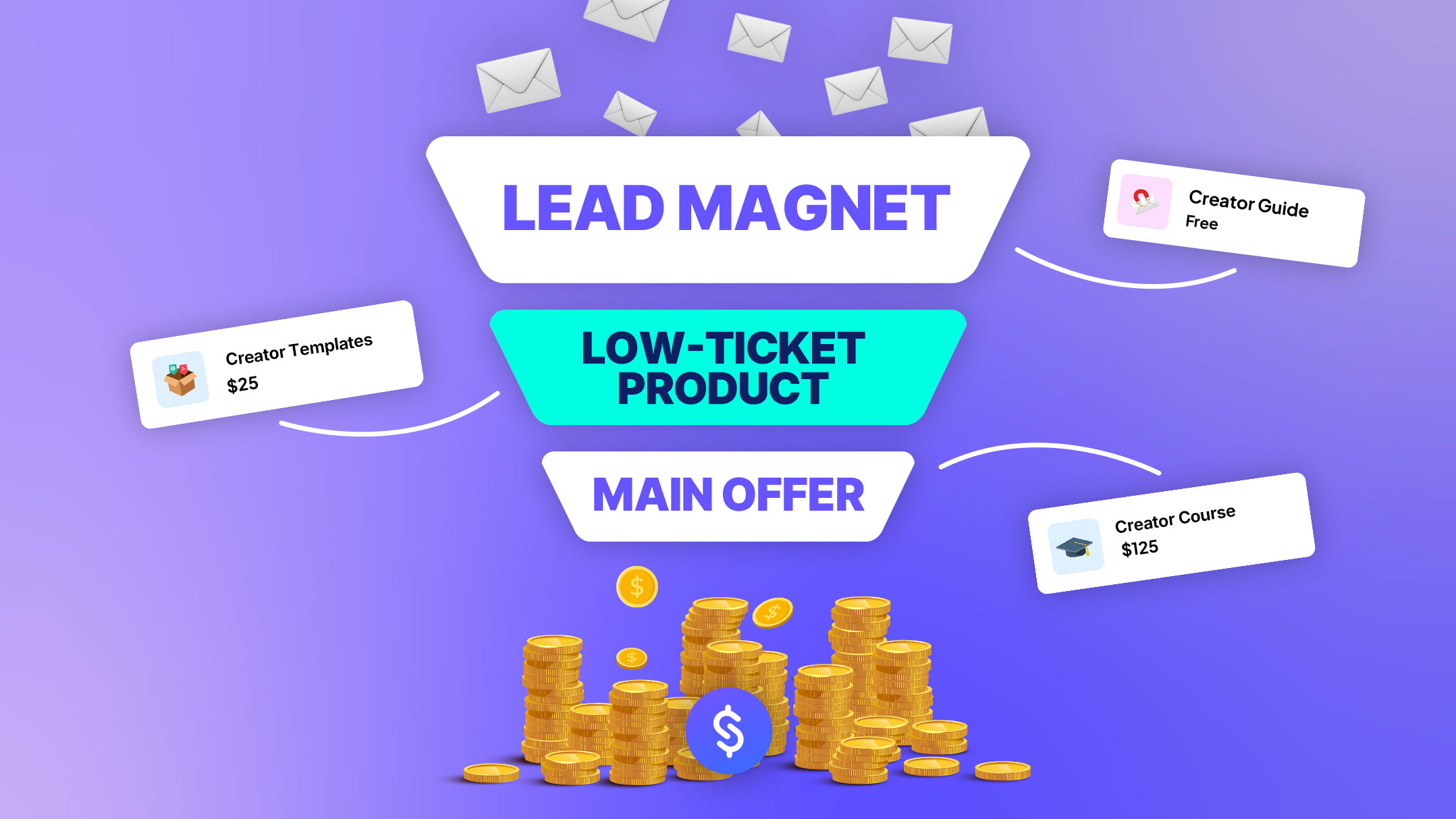
We’re already seeing a surge of Creators launch newsletters, lead magnets, and gated communities as their “insurance policy” against platform changes.
8. Creators will double down on in-person events.
Now more than ever, Creators and their audiences are craving connection. In a world that’s increasingly digital, people want to gather in-person, swap stories, and meet the people behind the content.
That’s why in 2026, Creators will double down on IRL events. Everything from Creator-led panels and local meetups to dinner series, retreats, and clubs.
Many Stan Creators have already begun leading their own curated in-person events like:
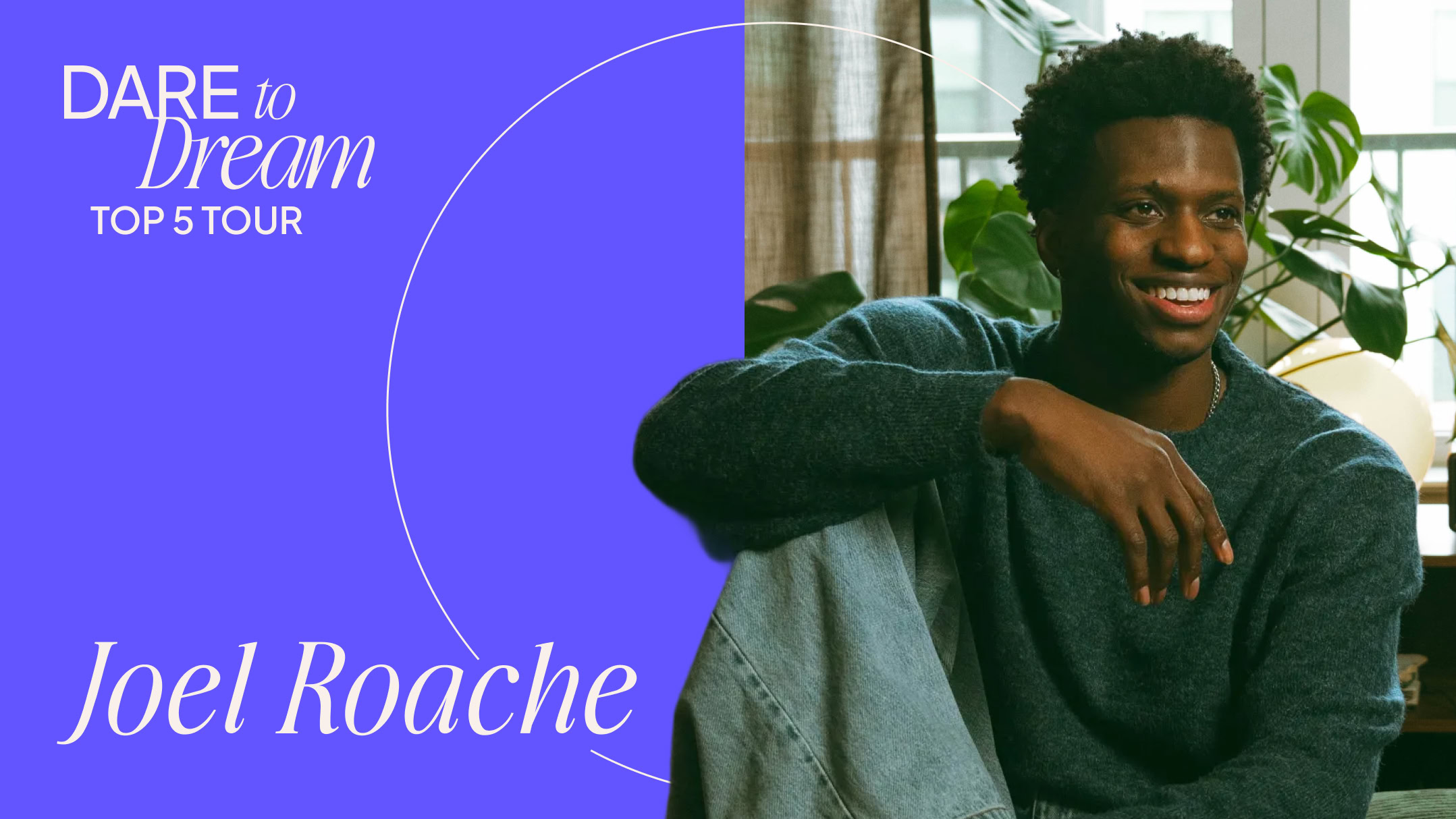
- Joel Roache’s retreat for Creators, Creative Minds
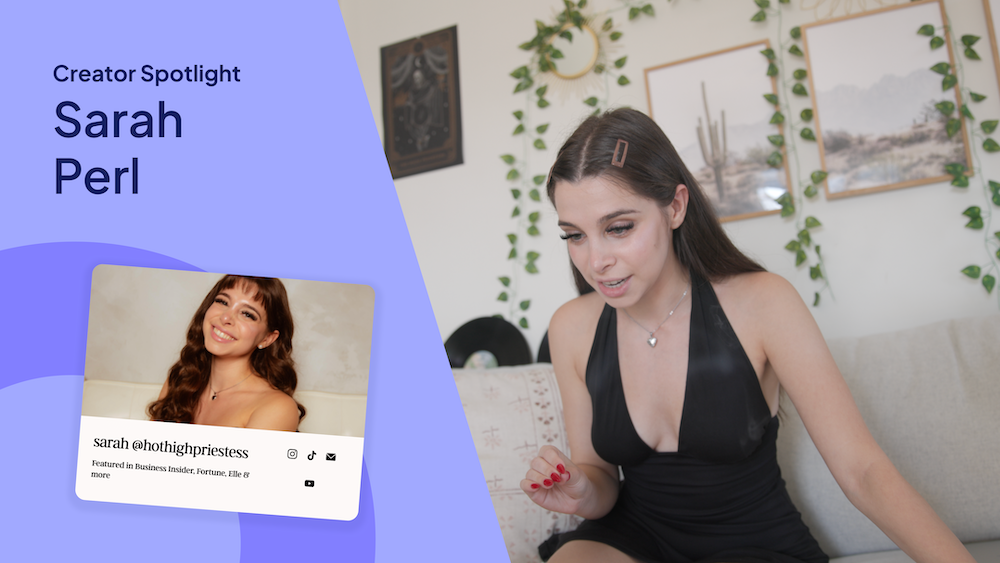
- Sarah Perl’s intimate NYC gathering, bringing Creators together for vision boarding
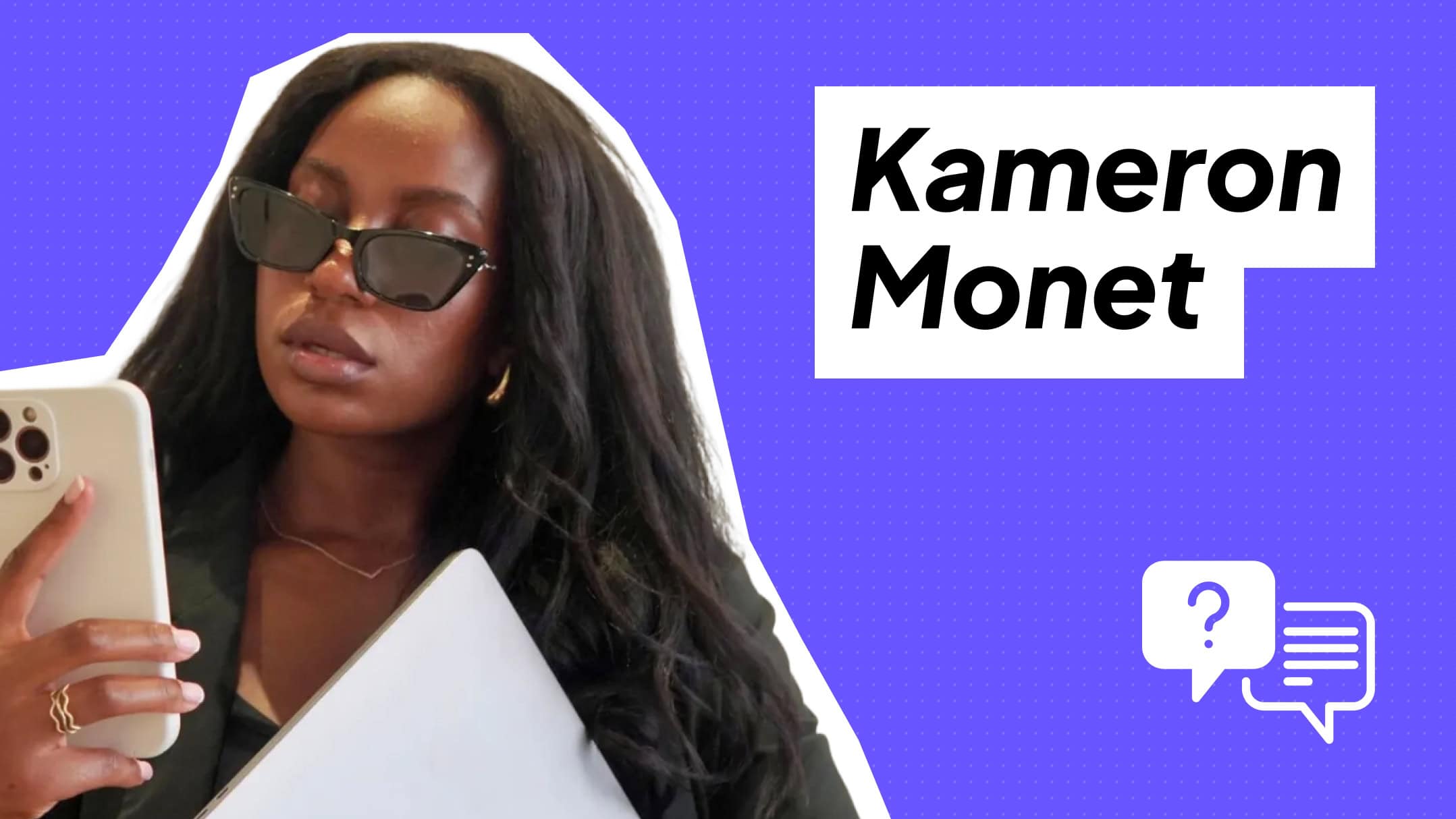
- Kameron Monet’s social club, where Creators can connect and discuss all things legal
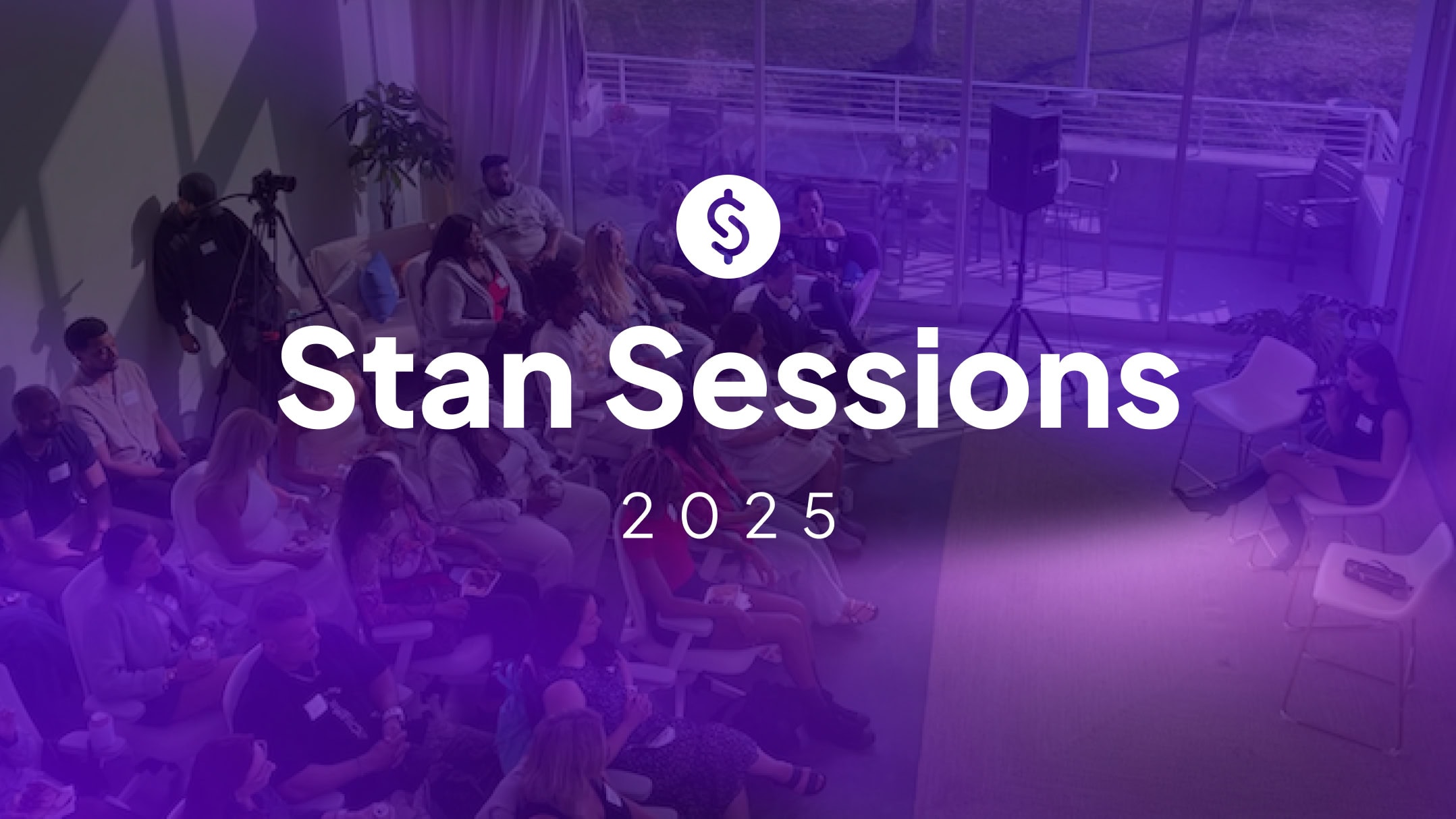
At Stan, we’ve even begun shifting toward more in-person events ourselves, hosting regular Stan Sessions across the US and Canada and our very own Hackathons.
Say Hello to The Creator-Entrepreneur Era
In 2026, Creators aren’t just entertaining—they’re building businesses, shaping culture, and having a profound impact on the world around us.
There’s never been a better time to build your own. What are you waiting for?