
TL;DR: Influencer rates are influenced by far more than follower count alone. Pricing is shaped by platform, content format, engagement quality, audience location, and niche demand. Video-first formats like Instagram Reels, TikTok videos, and YouTube integrations command higher rates due to production effort and performance potential. Micro influencers often offer the best balance of cost and results, while larger creators price for scale, visibility, and brand association. Campaign costs increase when usage rights, exclusivity, paid amplification, or tight timelines are added. The most effective influencer pricing is built on clear deliverables, realistic benchmarks, and alignment between brand objectives and creator value.
Influencer rates only feel confusing when pricing is treated as a guess instead of a system.
Behind every quoted rate is a set of trade-offs. Reach versus depth. One-off exposure versus reusable content. Speed versus polish. What looks like a simple “price per post” is usually a bundle of creative work, audience access, distribution rights, and opportunity cost.
That’s why influencer pricing rarely fits into a single chart or formula.
This guide breaks influencer rates down at the level where decisions are actually made. You’ll see how rates differ across platforms, why follower count alone is a weak pricing signal, and how brands and creators arrive at numbers that hold up in real campaigns.
If you want to understand what influencers charge and, more importantly, why they charge it, this guide walks through the logic step by step.
Let’s get started.
Table of Contents
- How Much Influencer Marketing Costs
- Influencer Pricing by Platform
- Influencer Rates by Follower Tier
- Influencer Rates by Industry (Niche Breakdown)
- Key Factors That Affect Influencer Pricing
- Influencer Marketing Pricing Models Explained
- Hidden Costs Brands Forget to Budget For
- How to Calculate the Right Influencer Rate
- How to Negotiate Influencer Rates (Without Undervaluing Creators)
- Influencer Fraud, Fake Followers & How It Impacts Rates
- FTC Disclosure Requirements for Influencer Campaigns
How Much Influencer Marketing Costs
Influencer marketing is now a structural part of modern marketing budgets.
Across industries, brands treat creator partnerships as a primary distribution channel. As a result, spending has stabilized into predictable ranges, shaped by scale, goals, and how influencer content is used beyond the initial post.
Industry data shows that global influencer marketing spend has crossed the $30 billion mark and continues to grow steadily, driven by short-form video, creator-led commerce, and declining returns from traditional ads.
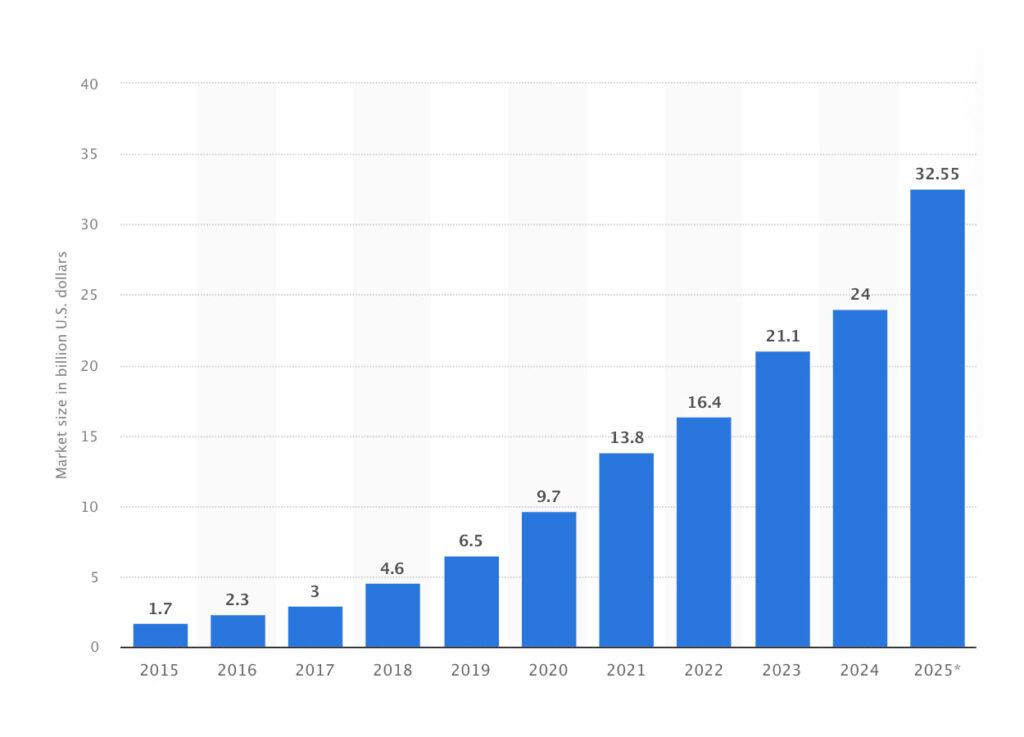
The real shift, however, is not total spend. It is how budgets are allocated.
What Brands Typically Spend
Most brands budget influencer marketing in tiers:
- Small and mid-sized brands often spend $5,000–$25,000 per month, focused on micro and mid-tier creators
- Growth-stage and DTC brands commonly allocate $25,000–$100,000 per month, spread across platforms and formats
- Enterprise brands invest six to seven figures annually, especially when influencer content supports paid ads, product launches, or brand campaigns
Importantly, these budgets rarely cover single posts. They are designed around:
- multi-post packages
- short campaign windows
- repeat collaborations with proven creators
This is why influencer marketing costs cannot be evaluated on a “per post” basis alone.
Why Influencer Marketing Commands These Budgets
Pricing has matured because influencer marketing now delivers more than reach.
Brands pay for:
- content creation
- audience trust
- distribution within a creator’s ecosystem
- reusable creative assets
When influencer content is licensed, amplified through ads, or tied to performance goals, the cost reflects its extended value. The result is pricing that mirrors media buying and creative production combined, rather than simple social posts.
Understanding this cost structure sets the foundation for platform-specific pricing, where rates begin to diverge significantly.
Influencer Pricing by Platform
Influencer rates vary widely by platform. Each platform rewards different content formats and audience behavior, which directly impacts pricing. A short Instagram Story, a TikTok video, and a YouTube integration may look similar on the surface, but they are priced very differently.
Below is a platform-by-platform breakdown of how influencer rates typically work today.
Instagram Influencer Rates in 2026
Instagram remains one of the most structured platforms for influencer pricing. Rates are generally predictable, but they vary based on format.
Most Instagram influencer pricing is built around three core content types: Reels, Stories, and feed posts. Each carries a different level of effort, visibility, and lifespan.
Instagram Feed Posts
Feed posts are still used for launches and brand positioning, but they are no longer the primary growth driver they once were.
Typical pricing benchmarks:
- Nano influencers (1k–10k): $50–$200 per post
- Micro influencers (10k–100k): $200–$1,500 per post
- Mid-tier influencers (100k–500k): $1,500–$5,000 per post
- Macro influencers (500k–1M): $5,000–$10,000+ per post
- Mega influencers (1M+): $10,000–$50,000+ per post
Feed posts tend to command lower rates than video because reach is less predictable and engagement has declined compared to Reels.
Instagram Stories
Stories are priced lower per unit, but brands usually buy them in bundles.
Common pricing:
- Nano/Micro: $25–$300 per Story frame
- Mid-tier: $300–$1,000 per frame
- Macro and above: $1,000–$5,000+ per frame
Stories are valuable for:
- swipe-ups and link clicks
- short-term promotions
- product reminders
Because Stories disappear after 24 hours, brands often negotiate multi-frame packages rather than single posts.
Instagram Reels
Reels now drive most Instagram influencer spend.
They require more production effort, often reach beyond followers, and perform well when reused as ads. As a result, Reels typically cost 1.5x to 3x more than feed posts.
Typical Reel pricing:
- Nano influencers: $100–$500
- Micro influencers: $500–$3,000
- Mid-tier influencers: $3,000–$10,000
- Macro influencers: $10,000–$25,000+
- Mega influencers: $25,000–$100,000+
Rates increase further when:
- usage rights are included
- paid amplification is required
- exclusivity is added
What Drives Instagram Rates
On Instagram, pricing is most influenced by:
- Reel performance consistency
- engagement quality, not just likes
- audience location and buying power
- whether the content will be reused outside Instagram
Follower count sets the baseline, but format and usage determine the final number.
TikTok Influencer Rates in 2026
TikTok pricing works differently from Instagram.
Rates are less standardized, reach is more volatile, and performance often matters more than follower count. A creator with 50,000 followers can outperform one with 500,000, which is why TikTok influencer rates are driven heavily by average views and content consistency.
Average TikTok Cost per Post
Typical pricing benchmarks look like this:
- Nano influencers (1k–10k): $50–$300 per video
- Micro influencers (10k–100k): $300–$2,500 per video
- Mid-tier influencers (100k–500k): $2,500–$10,000 per video
- Macro influencers (500k–1M): $10,000–$25,000+ per video
- Mega influencers (1M+): $25,000–$100,000+ per video
Unlike Instagram, TikTok creators rarely price based on static deliverables. Most quotes assume one short-form video, usually 15–45 seconds.
Why TikTok Commands a Short-Form Premium
Several factors push TikTok rates higher than expected for similar audience sizes:
- Algorithmic distribution: Content is pushed beyond followers, increasing upside for brands.
- Creative intensity: Successful TikToks require strong hooks, pacing, and editing, not just filming.
- Commerce impact: TikTok drives direct sales, especially for DTC brands, which increases creator value.
- UGC reuse: Brands often repurpose TikTok content as ads, which raises pricing when usage rights are included.
Views Matter More Than Followers
Many TikTok creators now quote based on:
- average views per video
- view consistency across posts
- past brand performance
For example, a creator averaging 100,000 views per post may justify a higher rate than a larger account with inconsistent reach.
Common TikTok Pricing Add-Ons
Rates increase when campaigns include:
- whitelisting or Spark Ads access
- usage rights for paid media
- multiple video variations
- exclusivity within a product category
Because of this, TikTok influencer pricing is often negotiated per campaign, not per post.
YouTube Influencer Rates in 2026
YouTube typically commands the highest influencer rates across major platforms.
The reason is simple: YouTube content takes longer to produce, stays discoverable for years, and often drives higher-intent traffic than short-form platforms. A single sponsored video can continue generating views, clicks, and conversions long after it’s published.
Most YouTube influencer pricing falls into two main categories: integrations and dedicated videos.
YouTube Integration Rates
Integrations are short brand mentions within a longer video, usually lasting 30–90 seconds.
Typical benchmarks:
- Nano influencers (1k–10k subscribers): $100–$500
- Micro influencers (10k–100k): $500–$5,000
- Mid-tier influencers (100k–500k): $5,000–$15,000
- Macro influencers (500k–1M): $15,000–$50,000
- Mega influencers (1M+): $50,000–$150,000+
Integrations are popular because they feel more organic and preserve the creator’s usual content flow.
Dedicated Sponsored Videos
Dedicated videos are built entirely around the brand and require significantly more planning and production.
Typical pricing:
- Micro influencers: $2,000–$10,000
- Mid-tier influencers: $10,000–$30,000
- Macro influencers: $30,000–$75,000+
- Mega influencers: $75,000–$250,000+
Dedicated videos cost more because:
- the creator’s channel is fully associated with the brand
- production time is higher
- the content must meet stricter approval standards
What Drives YouTube Pricing
YouTube rates are most influenced by:
- average views per video, not subscriber count alone
- video length and production complexity
- audience demographics and niche
- link placement and call-to-action strength
- whether the video is evergreen or time-bound
Because YouTube videos have long lifespans, brands often factor long-term value into pricing, especially when links remain active indefinitely.
Influencer Rates by Follower Tier
Follower count still matters. But in practice, it works more like a starting reference point.
Across platforms, influencer rates generally scale by tier, then get adjusted based on engagement, niche, and campaign requirements. Below are the ranges brands and creators typically work within today.
Nano Influencers (1k–10k followers)
Nano influencers sit at the lowest price point, but often deliver strong engagement relative to their size.
Typical rates:
- $50–$300 per post or video
- $100–$500 for bundled deliverables
Nano creators are commonly used for:
- product seeding campaigns
- early-stage brand awareness
- community-driven niches
They are affordable, but usually require volume to achieve meaningful reach.
Micro Influencers (10k–100k followers)
Micro influencers are the most popular tier for performance-focused campaigns.
Typical rates:
- $200–$2,500 per post
- $500–$5,000 for video-first content
This tier balances:
- reasonable pricing
- niche authority
- strong engagement rates
Many brands prefer micro influencers because they convert well without the cost of larger creators.
Mid-Tier Influencers (100k–500k followers)
Mid-tier influencers mark the transition from “creator partnerships” to “media buys.”
Typical rates:
- $2,500–$10,000 per post or video
- $10,000–$25,000 for campaign packages
At this level:
- rates become more structured
- contracts often include usage rights
- performance expectations are higher
Brands usually expect professional workflows and measurable outcomes.
Macro Influencers (500k–1M followers)
Macro influencers offer scale and brand visibility, but at a higher cost.
Typical rates:
- $10,000–$25,000 per post
- $25,000–$75,000+ per campaign
This tier is often used for:
- product launches
- large awareness pushes
- multi-platform campaigns
Negotiations frequently include exclusivity and content licensing.
Mega/Celebrity Influencers (1M+ followers)
Mega influencers and celebrities operate in a different pricing category altogether.
Typical rates:
- $25,000–$100,000+ per post
- Six-figure campaign deals are common
At this level, pricing reflects:
- brand association risk
- public visibility
- reach beyond social platforms
Deals often involve agents, PR teams, and strict usage terms.
Important context: Follower tier sets the baseline, but it does not determine final pricing. A highly engaged micro influencer in a high-CPM niche can outperform a macro creator with weak engagement.
Influencer Rates by Industry (Niche Breakdown)
Industry plays a quiet but powerful role in influencer pricing.
Even when follower size and engagement are similar, influencer rates can vary significantly based on what the audience is worth to the brand. Some industries operate on thin margins. Others generate high lifetime value from a single customer. That difference shows up directly in how much brands are willing to pay creators.
In higher-value niches, influencer content is treated less like brand awareness and more like revenue-driving media. That raises expectations, scrutiny, and pricing. In more saturated or lifestyle-driven categories, rates tend to be more competitive, even at the same audience size.
The table below shows how influencer rates typically shift by industry, why those differences exist, and what brands are usually paying for.
| Industry | Typical CPM Range | Why Rates Trend This Way | Common Campaign Focus |
| Beauty | $25–$60 | Competitive market, strong creator influence on purchases, frequent launches | Tutorials, product drops, paid ads |
| Fitness | $20–$50 | High trust, habit-based content, repeat exposure | Programs, supplements, apparel |
| Finance | $50–$120+ | High customer lifetime value, compliance, strong purchase intent | Apps, investing, education |
| Tech | $30–$90 | Purchase-driven decisions, demos and reviews require effort | SaaS, gadgets, tools |
| Food | $20–$45 | High production effort, visual quality matters | Recipes, restaurants, packaged goods |
| Travel | $25–$70 | Logistics, location-based filming, higher production costs | Destinations, hotels, experiences |
| Parenting | $30–$65 | High trust audiences, strong conversion on family products | Household, education, kids brands |
| Fashion | $20–$55 | Saturated niche, visual production, frequent exclusivity | Apparel, accessories |
Influencer rates ultimately reflect what a brand stands to gain, not just how many people see the content.
In niches where trust, purchasing power, or lifetime value are high, creators can justify higher rates even with smaller audiences. In more saturated categories, pricing stays competitive because reach alone is easier to replace.
This is why industry fit matters as much as follower count when evaluating influencer pricing. It explains why similar creators charge differently and why the same campaign budget stretches further in some niches than others.
Key Factors That Affect Influencer Pricing
Follower count explains who an influencer is. Pricing is determined by how valuable their audience and content actually are.
Two creators in the same tier can quote very different rates because influencer pricing is shaped by a combination of performance, audience quality, and campaign requirements. Understanding these factors is what separates reasonable rates from inflated ones.
Below are the core variables that consistently move influencer pricing up or down in real campaigns.
1. Engagement Rate
Engagement rate is one of the strongest pricing signals in influencer marketing.
Brands care less about how many people follow a creator and more about how many people actually interact with their content. Likes, comments, shares, saves, and in some cases views, all feed into perceived value.
As a rough benchmark:
- High engagement can justify rates 20–50% above average for a given tier
- Low engagement often leads to discounted offers or performance-based deals
A micro influencer with a consistently strong engagement rate can outprice a larger creator whose audience scrolls past sponsored content. This is especially true on Instagram Reels and TikTok, where engagement signals directly affect distribution.
2. Audience Location
Where an influencer’s audience is based has a direct impact on pricing.
Brands typically pay more to reach audiences in regions with higher purchasing power. Influencers whose followers are concentrated in countries like the United States, United Kingdom, Canada, Australia, or Western Europe generally command higher rates than creators with predominantly low-CPM regions.
In practice:
- A creator with a U.S.-heavy audience may charge 30–100% more than a similar creator with a global or emerging-market audience
- Brands targeting specific regions will prioritize audience geography over raw reach
Audience location is especially important for conversion-driven campaigns, where clicks and purchases matter more than impressions.
3. Niche Demand
Not all niches are priced equally.
Influencers in high-value industries charge more because brands in those sectors have higher customer lifetime value and stronger competition. Finance, tech, and B2B creators often command higher rates than lifestyle or entertainment creators at the same size.
High-CPM niches typically include:
- finance and investing
- software and technology
- business and entrepreneurship
- health and fitness
- beauty and skincare
In contrast, broad entertainment niches may require more reach to justify similar pricing.
Niche demand doesn’t just affect rates. It also influences how strict brands are about messaging, disclosures, and performance expectations.
4. Platform
The platform the content is published on directly affects pricing.
Each platform demands a different level of effort, offers a different content lifespan, and delivers different types of results. As a result, creators price the same audience differently depending on where the content lives.
In general:
- YouTube commands the highest rates due to production time and long-term visibility
- TikTok pricing is driven by performance and average views
- Instagram rates vary heavily by format, with Reels priced higher than feed posts
Creators often quote platform-specific rates rather than one universal price because value and effort are not interchangeable across platforms.
5. Content Complexity
Not all sponsored content requires the same amount of work.
A simple selfie-style video costs less than a scripted, edited, multi-location production. As content expectations increase, so do influencer rates.
Rates rise when campaigns require:
- scripting or talking points
- multiple takes or revisions
- professional editing or motion graphics
- custom hooks or storytelling
More complex content can increase pricing by 10–100%, depending on production demands. Brands often underestimate this factor, which is why quotes may feel higher than expected.
6. Deliverable Count
The number of required deliverables directly affects pricing.
While bundles are often cheaper per asset, they still increase the total campaign cost. A single Reel is priced differently from a package that includes Stories, reposts, or cross-platform usage.
Pricing is influenced by:
- total number of posts
- format variety
- reposting requirements
Clear deliverable definitions help prevent pricing disputes later.
7. Creator Reputation
Reputation is an intangible but powerful pricing factor.
Creators with a track record of successful brand partnerships, strong audience trust, or recognizable personal brands can command higher rates. Consistency, professionalism, and reliability all factor into pricing.
Established creators often charge more because:
- brands trust their execution
- content approval risk is lower
- past performance justifies the premium
At this stage, pricing reflects proven value, not just metrics.
Influencer Marketing Pricing Models Explained
Influencer rates are not always paid the same way.
Beyond the headline number, how a creator is compensated matters just as much as how much they are paid. Different pricing models shift risk, performance expectations, and long-term value for both brands and creators.
This section breaks down the most common influencer pricing models, when each one makes sense, and how they affect overall campaign cost.
Flat Fee Per Post
This is the most common and straightforward influencer pricing model.
A flat fee means the brand pays a fixed amount for a specific deliverable, such as one Reel, one TikTok video, or a YouTube integration. The rate is agreed on upfront, regardless of how the content performs.
Why brands use flat fees
- Clear, predictable costs
- Easy budgeting and approvals
- Simple contracts with defined deliverables
Why creators prefer flat fees
- Guaranteed payment
- No performance risk
- Clear scope of work
Flat fees work best for:
- awareness-focused campaigns
- product launches
- creators with consistent performance
However, flat fees usually do not include usage rights or exclusivity unless stated explicitly. Those are typically negotiated separately and added to the base price.
Bundled Deliverables
Bundled pricing combines multiple pieces of content into a single package.
Instead of paying for one post, brands purchase a set of deliverables, such as a Reel plus several Stories, or a TikTok video with reposting across platforms. The total cost is higher than a single post, but the per-asset price is usually lower.
Common bundles include:
- 1 Reel + 3 Stories
- 1 TikTok video + Spark Ads access
- 1 YouTube integration + pinned comment + link in description
Why brands use bundles
- Better value per deliverable
- More consistent exposure
- Stronger campaign cohesion
Why creators offer bundles
- Larger upfront contracts
- Reduced negotiation friction
- Better planning and scheduling
Bundles work well for short campaigns or product launches where repetition matters. The key is clearly defining what’s included, so expectations match pricing.
Performance-Based Pricing (CPA, CPC, CPS)
Performance-based pricing ties influencer pay to results.
Instead of paying a fixed amount upfront, brands compensate creators based on actions such as clicks, conversions, installs, or sales. Common structures include cost per acquisition (CPA), cost per click (CPC), and cost per sale (CPS).
Why brands use performance pricing
- Lower upfront risk
- Clear ROI measurement
- Direct link between spend and outcomes
Why creators are cautious
- Income is unpredictable
- Performance depends on factors beyond content quality
- Results can be affected by landing pages, offers, or tracking issues
Because of this risk imbalance, pure performance-based deals are less common for established creators. When they are used, they often come with:
- higher payout rates per action
- minimum guarantees
- hybrid structures with a base fee
Performance pricing works best when tracking is reliable and the offer is already proven.
Affiliate Commission Models
Affiliate models pay influencers a percentage of the revenue they generate.
Creators receive a unique link or discount code and earn a commission for every sale attributed to them. Commission rates vary by industry but commonly range from 5% to 30% per sale.
Why brands use affiliate models
- Payment is directly tied to revenue
- Low upfront cost
- Scales well with large creator networks
Why creators use affiliate models
- Ongoing earning potential
- Upside increases with strong audience trust
- Works well alongside organic content
Affiliate deals are most effective when:
- the product already converts well
- the creator has a loyal, trust-driven audience
- attribution and tracking are reliable
For larger creators, affiliate commissions are often paired with a flat base fee to balance risk and reward.
Product Seeding/Gifting
Product seeding involves sending free products to influencers in exchange for content, without a guaranteed payment. In some cases, posting is optional. In others, it’s agreed upfront that content will be created after the product is received.
Why brands use product seeding
- Low upfront cost
- Useful for early-stage brands
- Scales easily across many creators
Why creators accept gifting
- Low effort for low-risk content
- Useful for discovery or testing products
- Can lead to paid partnerships later
Product seeding works best with:
- nano and micro influencers
- physical consumer products
- awareness-focused campaigns
It is less effective for established creators, who typically expect monetary compensation. Even when gifting is involved, FTC disclosure rules still apply if content is posted.
Retainers & Long-Term Partnerships
Retainers involve paying influencers a recurring fee over a fixed period, usually monthly or quarterly. Instead of one-off posts, creators commit to ongoing content, often across multiple formats or platforms.
Why brands use retainers
- Consistent brand presence
- Better creator alignment
- Lower per-post costs over time
Why creators prefer retainers
- Predictable income
- Fewer negotiations
- Stronger long-term relationships
Retainers are common for:
- always-on influencer programs
- ambassador partnerships
- content-first brands
This model shifts influencer pricing from transactional to strategic, benefiting both sides when expectations are clearly defined.
Hidden Costs Brands Forget to Budget For
Influencer rates rarely stop at the quoted price.
Many campaigns go over budget not because influencers are “too expensive,” but because additional costs were not considered upfront. These extras can significantly increase total spend, especially in video-first or performance-driven campaigns.
Let’s explore the most common hidden costs that affect influencer pricing and why they matter.
1. Licensing & Usage Rights
Usage rights are one of the most overlooked cost drivers in influencer campaigns.
When a brand wants to reuse influencer content outside the original post, the agreement shifts from promotion to licensing. This includes using the content in ads, on landing pages, in emails, or across other platforms.
Typical cost impact:
- Limited usage (30–90 days): +20–50% of the base rate
- Extended or multi-channel usage: +50–100% or more
- Perpetual usage: often negotiated as a separate fee
If usage rights are not clearly defined upfront, pricing confusion and disputes are common.
2. Paid Amplification/Whitelisting
Whitelisting allows brands to run paid ads from an influencer’s account or use their content in paid campaigns.
This adds value because:
- ads benefit from the creator’s social proof
- performance often improves compared to brand-owned ads
Whitelisting typically increases pricing by:
- 10–30% for short-term access
- more for longer campaigns or high-spend ad accounts
Creators charge for this because it associates their identity directly with paid promotion.
3. Exclusivity Fees
Exclusivity prevents creators from working with competitors during a set period.
This restriction limits future earning opportunities, so it is rarely included for free.
Common exclusivity premiums:
- 30 days: +5–10%
- 3–6 months: +15–30%
- 6–12 months: +30–50%+
The more competitive the category, the higher the exclusivity cost.
4. Revisions & Reshoots
Revisions are often assumed to be “part of the deal,” but they carry real cost.
Most influencers include one review round in their base rate. Additional feedback, script changes, or reshoots increase time spent and production effort.
Common pricing structures:
- limited revisions included upfront
- additional revisions billed separately
- full reshoots priced as new deliverables
Clear revision limits help avoid scope creep and unexpected costs.
5. Rush Fees
Tight timelines almost always increase influencer rates.
When brands require fast turnarounds or fixed publishing windows, creators must prioritize the campaign over other work. That flexibility comes at a premium.
Rush fees typically add:
- 10–25% to the base rate
- more for video-heavy or multi-asset campaigns
Planning ahead is one of the easiest ways to control influencer costs.
6. Creative Direction & Editing
Some campaigns require more than raw content.
Additional costs apply when brands request:
- detailed creative briefs
- custom storytelling or scripting
- professional editing or graphics
- multiple content variations
These requirements increase production time and often justify higher pricing, especially for short-form video intended for paid distribution.
How to Calculate the Right Influencer Rate
Influencer pricing works best when it is grounded in logic. Brands need numbers they can justify. Creators need rates they can explain. Simple calculation frameworks make both possible and remove much of the friction around pricing.
This section outlines practical ways influencer rates are calculated in real campaigns, using clear and widely accepted formulas.
CPM-Based Pricing
CPM pricing is based on cost per 1,000 impressions.
It’s one of the simplest ways brands estimate influencer rates, especially for awareness campaigns.
Basic formula:
Rate = (Average impressions ÷ 1,000) × CPM
Typical influencer CPM ranges:
- $10–$30 CPM for broad lifestyle niches
- $30–$80 CPM for high-value niches like finance, tech, or B2B
Example: If an influencer averages 50,000 impressions and charges a $40 CPM: 50 × $40 = $2,000 per post
CPM works best when impressions are consistent and the goal is reach.
CPE-Based Pricing (Cost Per Engagement)
CPE focuses on actions, not visibility.
This model is useful when engagement matters more than impressions.
Basic formula:
Rate = Expected engagements × Cost per engagement
Typical CPE benchmarks:
- $0.10–$0.30 per engagement for general niches
- $0.30–$1.00+ for premium or conversion-driven niches
Example: If a post averages 4,000 engagements at $0.25 per engagement: 4,000 × $0.25 = $1,000
CPE is often used to justify higher rates for smaller creators with strong engagement.
ROI Forecasting
ROI-based pricing connects influencer cost to expected revenue.
This approach is common in ecommerce and affiliate-driven campaigns.
Basic framework:
- Estimate traffic from the influencer
- Apply conversion rate
- Multiply by average order value
Example:
- 2,000 clicks
- 2% conversion rate
- $75 average order value
2,000 × 0.02 × $75 = $3,000 in revenue
Brands then back into an influencer rate that maintains profitability.
Putting It All Together
Most real campaigns use a blend of these methods.
CPM sets the baseline. CPE explains engagement value. ROI forecasting validates the final number.
Used together, they help influencer rates feel grounded, defensible, and fair.
How to Negotiate Influencer Rates (Without Undervaluing Creators)
Good negotiations don’t start with price cuts. They start with clarity.
Most influencer rate disagreements happen because expectations are vague. When scope, usage, and outcomes are clearly defined, negotiations become faster and more reasonable for both sides.
What Brands Can Negotiate
Brands have flexibility, but not everywhere.
The most common levers include:
- Deliverables: reducing the number of assets or formats
- Usage rights: limiting duration, platforms, or paid use
- Timeline: offering longer lead times to avoid rush fees
- Bundling: consolidating posts into a single package
- Payment structure: mixing flat fees with performance incentives
Negotiation works best when brands adjust scope, not when they ask creators to “just lower the rate.”
What Creators Should Protect
Creators should be selective about what they give up.
Key areas to protect:
- usage and licensing rights
- exclusivity clauses
- excessive revision rounds
- open-ended timelines
These factors affect long-term earning potential, not just one campaign. Protecting them keeps rates sustainable over time.
Avoiding Race-to-the-Bottom Pricing
When pricing becomes purely competitive, everyone loses.
Healthy negotiations focus on:
- audience quality, not follower count
- content performance history
- alignment with brand goals
Creators who clearly explain why their rate exists are more likely to close deals without discounting. Brands that respect this tend to get better creative outcomes.
When both sides treat influencer rates as a reflection of value, not leverage, partnerships last longer and perform better.
Influencer Fraud, Fake Followers & How It Impacts Rates
Influencer rates only make sense if the audience is real.
Fake followers, inflated engagement, and low-quality traffic distort pricing and lead to poor campaign performance. This is why brands increasingly audit creators before agreeing on rates, especially for performance-driven campaigns.
How Fake Followers Inflate Costs
Fraud artificially boosts surface-level metrics:
- follower count
- likes and comments
- view counts
When rates are calculated using these inflated numbers, brands overpay for reach that doesn’t convert. A creator may look strong on paper but deliver weak results in practice.
This is one reason two creators with similar follower counts can justify very different rates after an audit.
Practical Engagement Benchmarks
While benchmarks vary by niche and platform, these are commonly used sanity checks:
- Instagram: engagement below ~1% on smaller accounts is often a warning sign
- TikTok: follower count without consistent view volume raises flags
- YouTube: high subscribers with low average views suggests weak audience trust
Sudden spikes in followers or engagement without corresponding content performance are also red flags.
Common Influencer Audit Tools Brands Use
Brands rely on third-party tools to validate creator data before finalizing rates. The most commonly used include:
- HypeAuditor: Used to assess follower authenticity, audience demographics, and growth patterns.
- Modash: Popular for creator discovery and fraud detection, especially for ecommerce brands.
- Upfluence: Combines influencer analytics with audience quality and fake follower estimates.
- Social Blade: Useful for spotting unnatural follower or view spikes over time.
- Native platform analytics: Screenshots from Instagram Insights, TikTok Analytics, or YouTube Studio are often required to confirm reach, audience location, and engagement.
These tools don’t replace judgment, but they help brands avoid paying premium rates for inflated metrics.
Clean data leads to cleaner pricing. When fraud is filtered out, influencer rates better reflect real audience value.
FTC Disclosure Requirements for Influencer Campaigns
Disclosure is not optional in influencer marketing. It is a legal requirement.
When money, free products, discounts, or any material benefit is involved, influencers must clearly disclose the relationship. This applies regardless of follower size, platform, or campaign scope.
Failure to disclose properly can expose both the creator and the brand to regulatory risk.
When Influencers Must Disclose
Disclosure is required when there is a material connection between the influencer and the brand. This includes:
- paid sponsorships
- gifted products or services
- affiliate links or commission-based deals
- discounts, perks, or free access
If the audience would not reasonably expect the relationship, it must be disclosed.
Paid Deals vs Gifted Content
The form of compensation does not change the requirement.
- Paid campaigns must always be disclosed
- Gifted products still require disclosure if content is posted
- Affiliate links must clearly indicate commission-based relationships
“Gifted” does not mean “exempt.”
How Disclosures Should Appear
Disclosures must be:
- clear
- easy to notice
- understandable at a glance
Best practices include:
- using “#ad” or “#sponsored”
- placing disclosures at the beginning of captions or videos
- verbally stating the partnership in video content
Vague tags like “#partner” or placing disclosures at the end of long captions are often insufficient.
Multi-Platform Disclosure Rules
Each piece of content must stand on its own.
If a campaign runs across Instagram, TikTok, and YouTube:
- disclosures must appear on every post
- captions, descriptions, and videos all require clarity
- reposts or clips also need disclosure
Brands should review disclosure placement during approvals, not after publishing.
Clear disclosures protect trust, maintain compliance, and reduce friction in influencer partnerships.
Building Better Partnerships Through Transparent Influencer Rates
Transparent influencer rates create better partnerships.
When pricing is clear, both sides make better decisions. Brands understand what they are paying for and why. Creators know what is expected of them and what their work is worth. That clarity removes friction before campaigns even begin.
Most breakdowns in influencer marketing come from misalignment, not cost. Unclear deliverables, vague usage rights, and undefined expectations make rates feel arbitrary. When those pieces are defined upfront, influencer pricing becomes easier to agree on and easier to scale.
This is something we consistently see across creators using Stan. The most successful partnerships are built by creators who package their work clearly and by brands that treat influencer content as a strategic asset.
Influencer rates do not need to be confusing. When they are transparent, they create trust, consistency, and long-term collaboration. That is what ultimately makes influencer marketing work.
FAQ about Influencer Pricing
How much do brands pay influencers?
Brands typically pay anywhere from a few hundred dollars per post for nano creators to six-figure campaign fees for large or celebrity influencers. Most ongoing campaigns fall in the mid-four to five-figure range when multiple deliverables, platforms, and usage rights are involved.
How much do influencers charge per post?
Rates vary by platform and follower size, but common ranges include $50–$300 for nano creators, $200–$2,500 for micro influencers, and $2,500–$25,000+ for larger creators. Video content and usage rights increase pricing.
What is the average influencer rate for TikTok, Instagram, and YouTube?
Instagram and TikTok short-form videos often fall in similar ranges, while YouTube typically commands higher rates due to production effort and long-term visibility. YouTube integrations and dedicated videos are usually priced above short-form posts.
What factors affect influencer pricing the most?
Engagement rate, audience location, niche demand, content format, and usage rights have the biggest impact on influencer rates. Follower count sets the baseline, but it rarely determines final pricing.
Are micro influencers cheaper?
Micro influencers are generally more affordable than larger creators, but not always cheaper per result. Their strong engagement and niche audiences often make them more cost-effective for performance-driven campaigns.