
TL;DR: Last year, Creators paved the way for a new era of the American Dream that’s self-made. As platforms evolved, engagement declined, and AI became mainstream, Creators adapted by building income streams they own. Now, we’re unpacking the Creator trends that shaped how they create, earn, and show up today.
2025 was challenging for most. A failing economy. An eroding job market. A world that felt like it was falling apart.
And yet, something remarkable happened.
As traditional systems grew fragile, more people began building something of their own. We watched Creators turn uncertainty into opportunity, building audiences, launching businesses, and finding new ways to make a living on their own terms.
Here’s what unfolded last year and what those shifts reveal about today’s Creator Economy.
There Are More Creators Today Than Ever Before
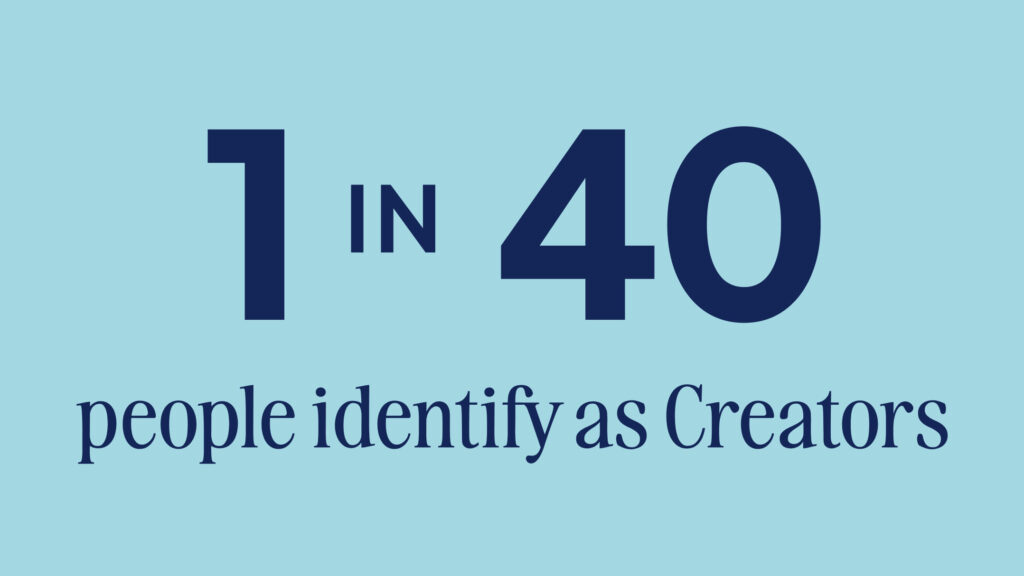
1 in 40 people identify as Creators (that’s more than 200 million people worldwide). And the Creator economy is on track to reach a whopping $480 billion by next year.
At a time when economies are failing and systems feel like they’re crumbling, Creators are rising up.
A new generation is redefining the American Dream. It’s no longer about climbing a ladder. It’s about making a living working for yourself. And there has never been a better time to do it.
The Content Trends That Defined 2025 (And What’s Next)
Audiences want more—more entertainment, more authenticity, and more control, with less noise. As a result, platforms are rapidly evolving, and so is the content Creators are making.
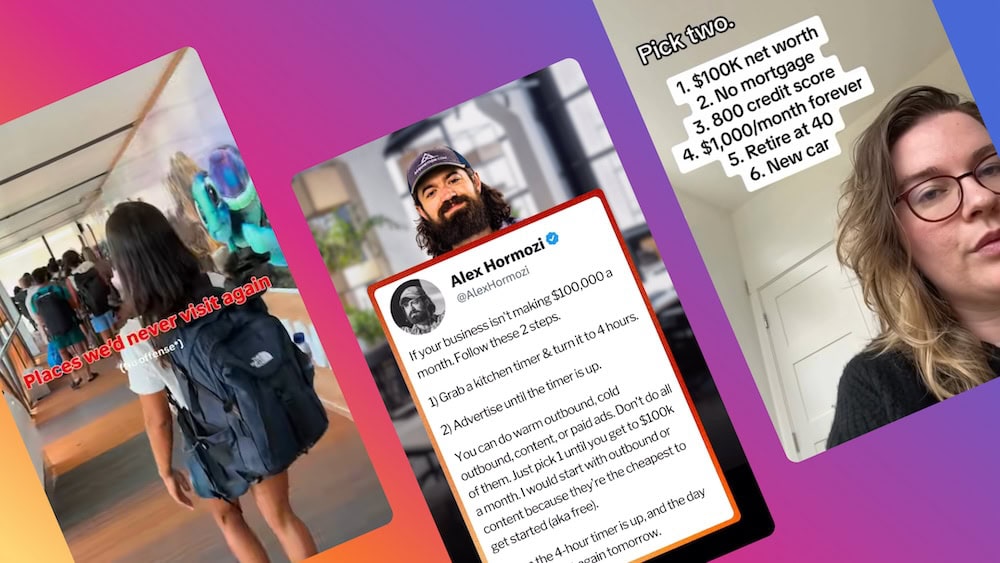
Last year, Instagram doubled down on personalization, giving users the power to choose what they want to see. And across the board, platforms prioritized richer engagement signals like watch time and shares, pushing Creators toward higher-quality storytelling over superficial engagement.
| Platform | Top Ranking Signals 2025 |
| Watch time, Shares | |
| YouTube | Watch time, Click-through rate, User engagement history |
| TikTok | Watch time, Completion rate, Shares, Comments |
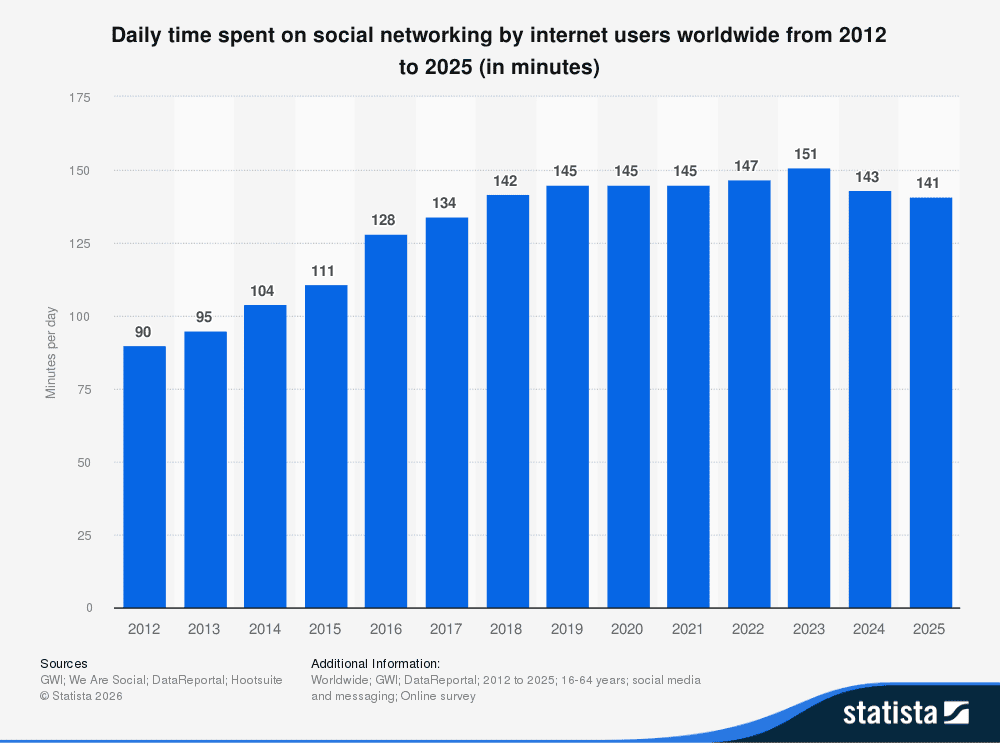
But even with incredible, strategic content, many Creators are struggling to get reach and keep their audience engaged. And it’s not just because of the algorithm—people’s attention spans are dwindling, and for the first time in nearly a decade, social users are spending less time on social apps.
So, how are Creators adapting to reach and preserve their audience?
Creators Are Reinventing Where and How They Share Content
All major platforms saw widespread drops in engagement in 2025, so Creators are reinventing their approach. Short-form continues to reign while long-form content makes a comeback.
This year, we’ll continue to see the rise of:
The Substack Creator
With over 20 million monthly active subscribers (more than double that of 2024) and 17,000 paid Creators, many are turning to Substack to share long-form content and build an audience they own.
And there’s huge earning potential—the top 10 Substack authors collectively make $40 million per year. As more features roll out like Substack live, video streams, and podcast integrations, we’ll continue to see more Creators make the shift.
Unlike previous years, when newsletters simply supported social, last year ushered in a wave of newsletter-first Creators who refuse to build in rented space—moving their businesses fully onto platforms like Substack.
Video Podcasting
Video redefined podcasting, with as many as 41% of US podcast listeners opting for watchable podcasts and over half of shows now posting full videos on YouTube.
In fact, YouTube recently reported having more than 1 billion monthly active podcast viewers, making it the most-used platform for listening to podcasts in the US.
LinkedIn Creators
Today’s Creators are educators, experts, and thought leaders, and they’re turning to LinkedIn to build an audience around what they know. And for good reason—LinkedIn has the highest average social engagement of all major platforms, clocking in at 6.5%.
LinkedIn is betting big on Creators, investing $25 million and rolling out a suite of features tailored to them.
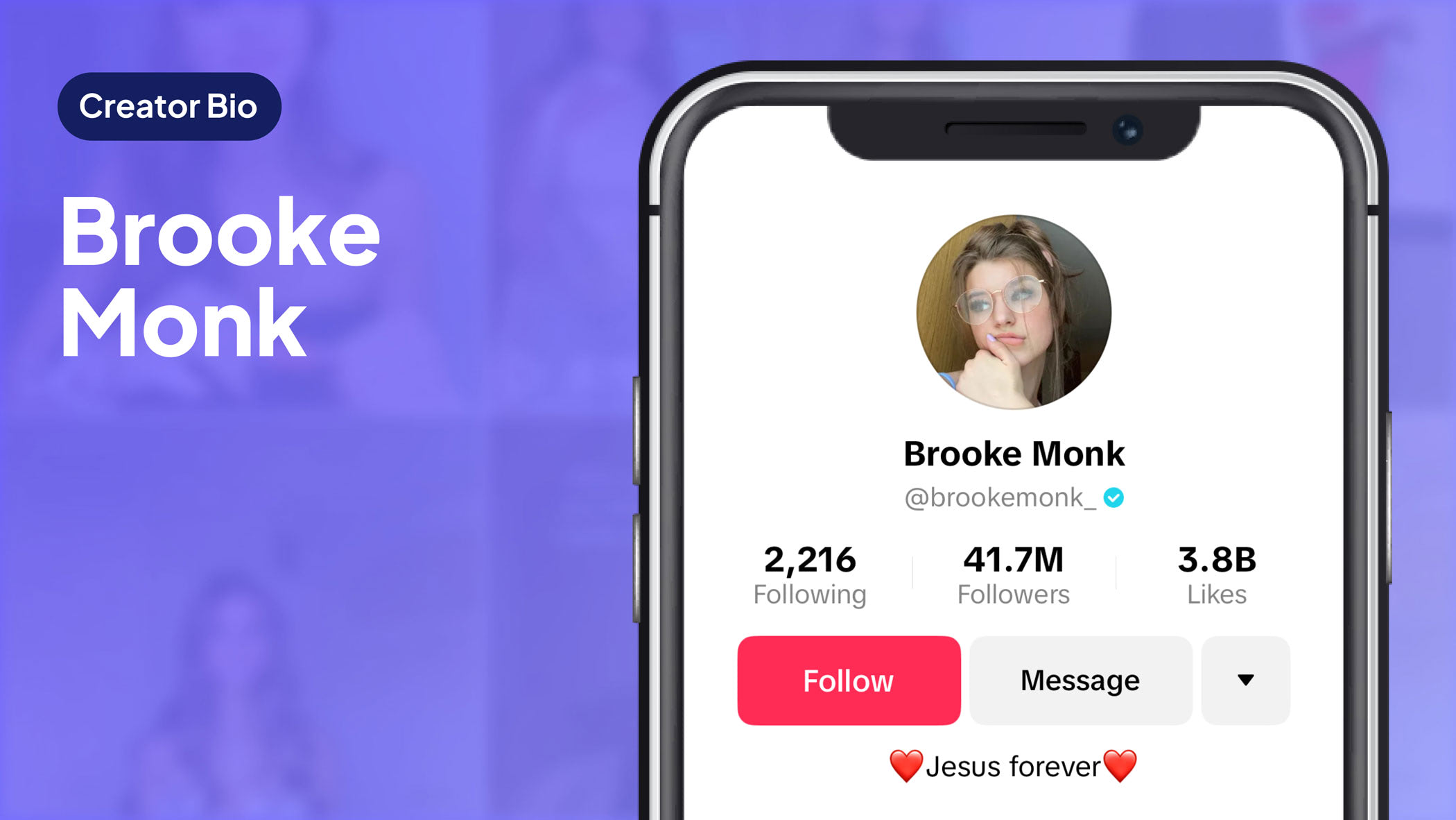
And top voices, like Brooke Monk, are embracing the platform. “I love LinkedIn. I love engaging with the actual economy behind all the brands,” she shares.
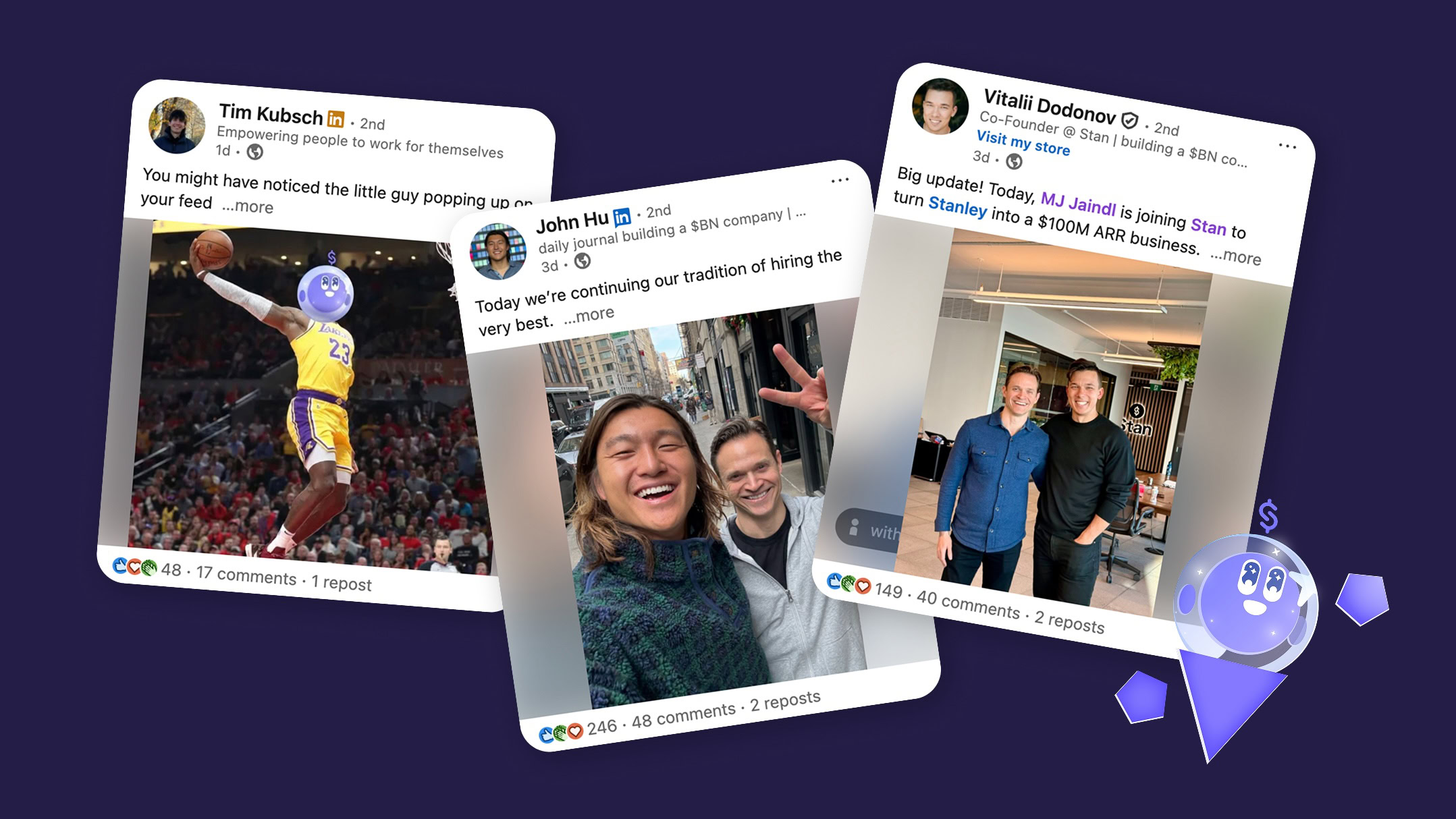
In 2026, we expect to see an even greater uptick in people turning to LinkedIn to build a personal brand, using AI tools like Stanley to create content, stay consistent, and establish an audience.
Clipping Creators
Short-form content clipping is emerging as one of the fastest ways to grow online—especially for Creators with smaller audiences. By cutting and repackaging existing content from brands and Creators, clipping accounts can easily go viral and even get paid per thousand views through platforms like Vyro.
And in 2026, clipping is a legitimate growth strategy and income stream for Creators, with some already calling it the most accessible side hustle on social.
How Creators Earned In 2025
Creator success isn’t just about the content you make—it’s also about how you earn. We’re living through the era of Creator commerce, where Creators aren’t just creating content, they’re building real businesses around their audience.
While many still rely on platform payouts, ads, or brand deals, Creators are increasingly shifting toward income streams they own.
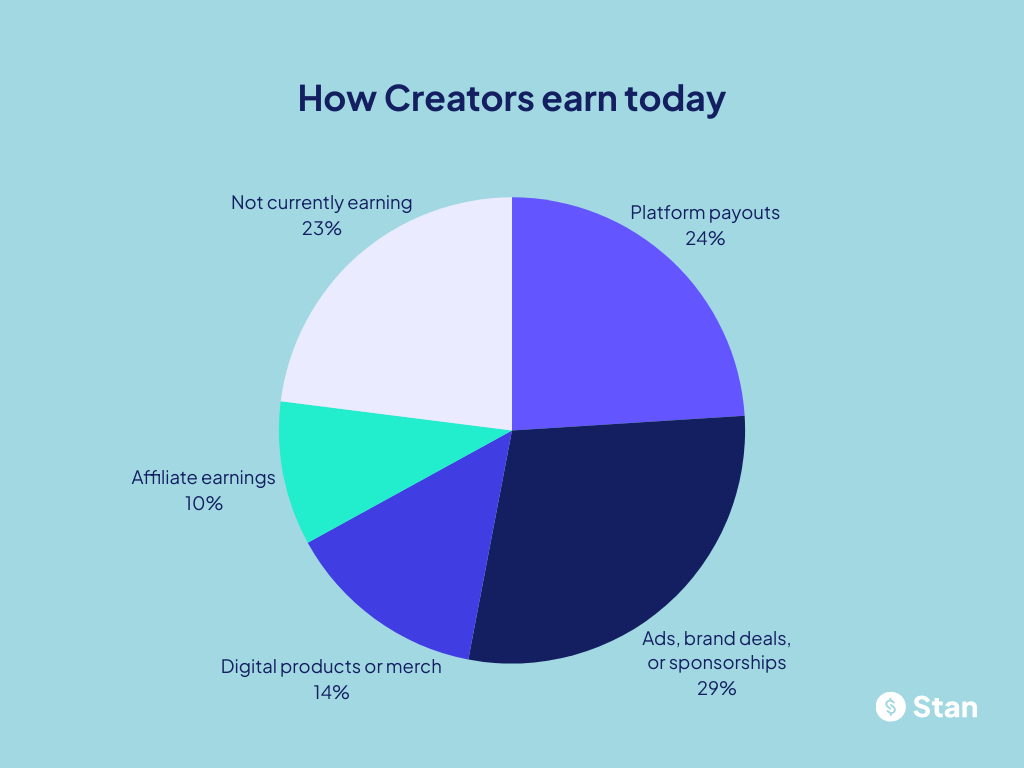
The Rise of Creator-owned Income
Today’s Creators are taking control of their financial future by selling digital offers, such as downloads, courses, memberships, or paid communities, through platforms like Stan.
In 2025, more than 59,000 Creators earned money on Stan, turning their expertise into offers their audience wants.
| Most popular digital product types by units sold in 2025 | |
| Digital downloads | 2.2M units |
| Courses | 300K units |
| Memberships | 236K units |
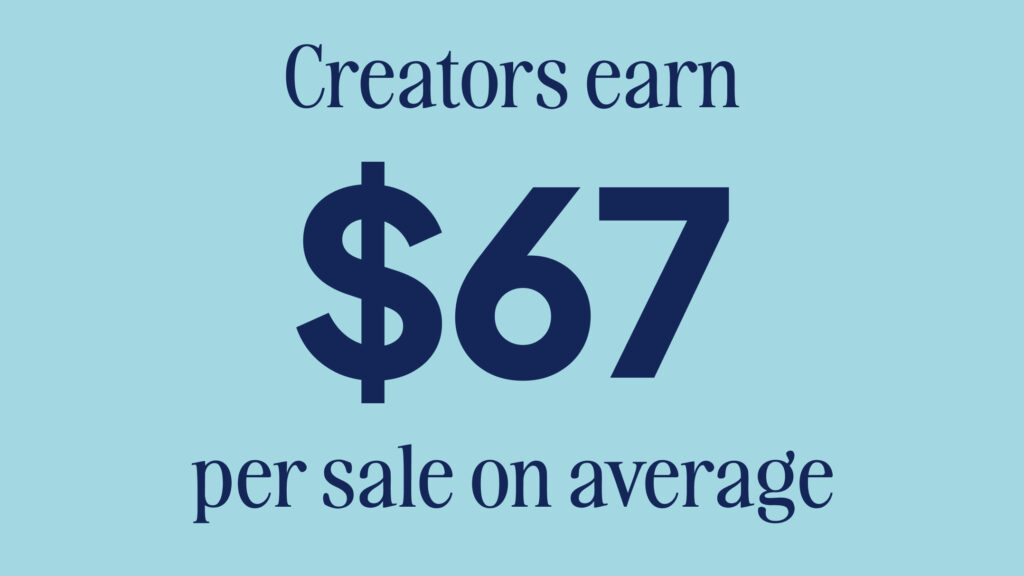
What do Creators actually earn from their products? In 2025, Creators made $67 per sale on average.
But there are many factors that impact how much you earn, like what you’re offering, how it’s positioned, and the value it delivers.
| What Creators typically earn for each product type | |
| Digital downloads | $51 |
| Courses | $96 |
| Meeting | $191 |
| Memberships | $61 |
| Webinar | $68 |
| Community | $33 |
Followers’ Impact on Earning Potential
Your audience size plays a big role in how much you can earn. More followers means more eyeballs on your offers—and more potential customers ready to buy.
Our data backs it up: The larger your audience is, the higher your average sales typically are.
| Social Media Followers | Average Monthly Sales |
| < 1K followers | $89 |
| 1-10K followers | $273 |
| 10-100K followers | $666 |
| 100K+ | $1,378 |
Why Creator-Led Commerce Is Becoming Mainstream
At a time when Creators are multiplying, financial anxiety is growing, and people are less active on social, how are people deciding where (and who) to buy from?
They’re looking to Creators for what to buy. 60% of consumers trust what a Creator says about brands more than what a brand says about itself.
TikTok Shop has evolved into the modern-day shopping channel, bringing social users 24/7 access to merchants directly from their app. Out of TikTok’s 1.6 billion active users, nearly 58% shop directly on the app, bringing the global GMV of TikTok shops to over $66 billion.
Around 44.7% of all TikTok users belong to Gen Z, with over three-quarters of Gen Z TikTok users actively shopping or discovering products through the app. But TikTok shoppers are aging up—more 35-54 years old, who account for 25% of TikTok users, are shopping via TikTok Shop, too.
What It Means to Be a Creator Today
Creators are adapting in the age of AI, the attention economy, and everything else 2025 threw our way—shaking up what it really means to be a Creator, who succeeds, and how.
Nano-Creators Are Gaining Traction
40% of Creators have between 1,000 and 10,000 followers.
When it comes to making money on social, it helps to have a larger audience. But today’s Creators are proving that it isn’t essential to success.
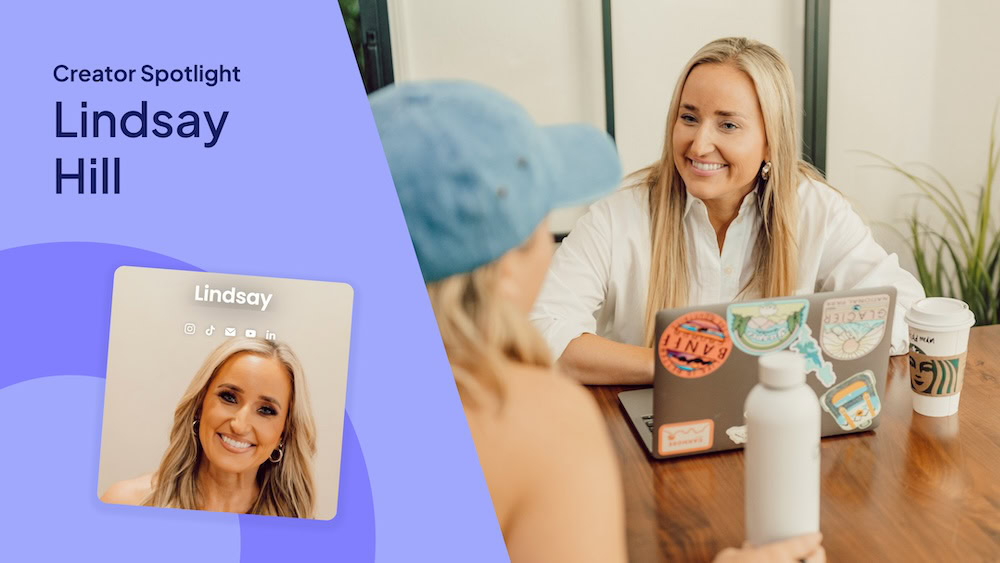
Take Lindsay Hill, for example. She’s made over $250K in 8 months with less than 10,000 followers. And she’s not alone—smaller Creators are proving that you don’t need millions of followers to make millions of dollars.
Unfiltered Is In
The days of polished videos and flawless appearances are over. Today’s top Creators are showing up as their raw, authentic selves with casual FaceTime-style videos and makeup-free cameos. They’re being vocal about their values and views on modern-day issues, and are building a community around their true identity.
It’s no longer about how good you look—it’s about how authentic you are.
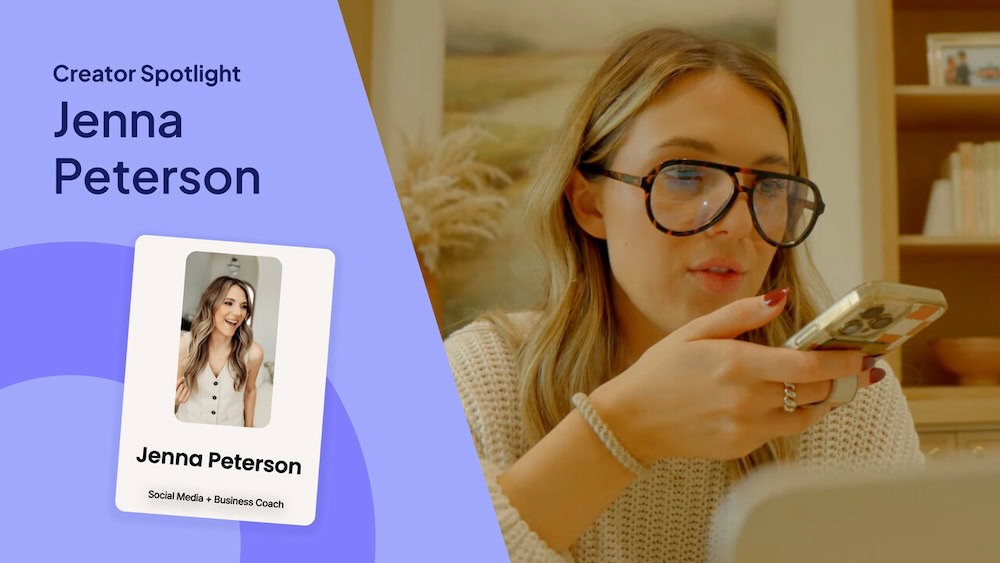
“In 2026, we’ll see Creators show up with more authenticity than ever before as AI gets bigger. Yes, we’ll also see more AI in content, but the good ol’ fashion Go LIVE feature or long-form content, like podcasts and YouTube, will still be wildly effective at conversion.” – Jenna Peterson
A Majority Of Creators Are Part-Time
34% of Creators consider themselves full-time.
Being a Creator doesn’t necessarily mean abandoning your 9-5. As people become less confident in the economy and the systems they were born into, they’re turning to social media to diversify their income streams.
63% of Creators say they spend up to 10 hours each week creating content. It’s not about replacing their income—it’s about building financial freedom they can count on.
Creators Are Expected to Do It All
Most Creators are balancing content creation, community-building, monetization, and all the admin that comes with being an entrepreneur. It’s a lot, and 37% of early-stage Creators say avoiding burnout is a major challenge.
That’s why more Creators turned to AI to lighten their load, automate repetitive work, and reignite their creativity.
“AI will eliminate the tactical bottlenecks of content creation, but it will magnify the strategic ones. Execution becomes easier; originality becomes harder. For me, AI is a creative multiplier. It removes the mechanical weight so I can focus on my real edge: perspective, philosophy, pattern recognition, and cultural analysis.
“AI won’t replace Creators—it will replace Creators who don’t know what they stand for. The more automated everything becomes, the more valuable a distinct mind becomes.” – Jefferson Isesele
The Robot In the Room: AI’s Impact on the Creator Economy
AI undoubtedly changed the world—impacting how we work, create, and show up while raising questions around what creates real connection in an increasingly artificial world.
For Creators, it’s become impossible to ignore. AI is changing how ideas form, how content gets made, and how quickly Creators can move. 86% of Creators are using AI tools in their workflows—not as a shortcut, but an enabler.
At the same time, social feeds are increasingly flooded with “AI Slop”—low-effort, generic, or bizarre AI-generated content. It’s easy to produce, but lacks the creativity, nuance, and personal touch that people crave, making authenticity even more valuable.
This year, Creators with strong voices, strong perspectives, and strong personal brands are who will break through the noise.
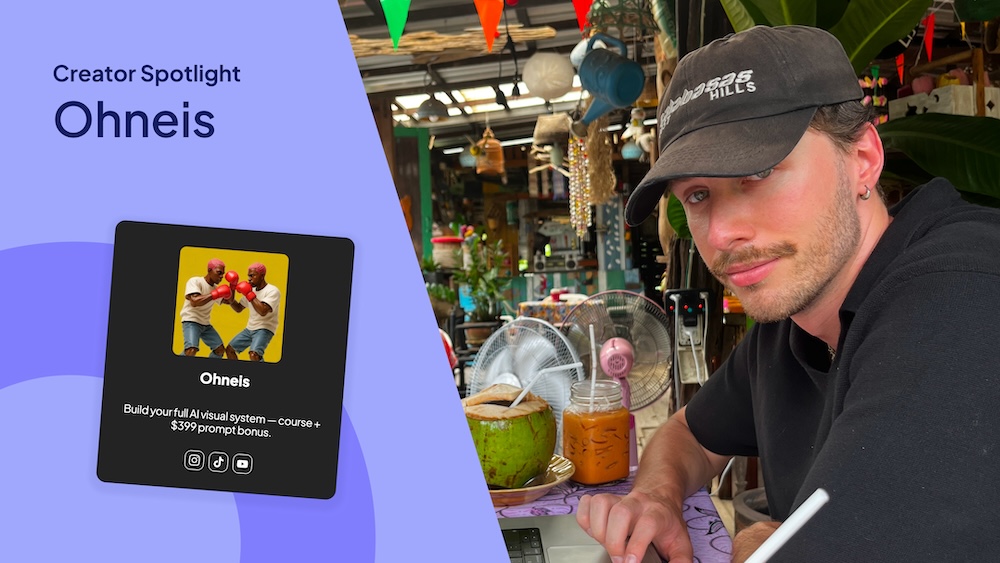
“AI slop won’t disappear, but it will lose momentum. Everyone has seen enough of it. And personal brands will matter even more. Creators need a voice and a clear identity. People follow taste. They follow curation. They follow how you edit, how you structure a story, and what you turn the raw model output into.” – Ohneis
GEO: The New Explore Feed
LLMs, like ChatGPT and Claude, are surfacing more social content from platforms like Instagram, TikTok, and Reddit in their search results—giving Creators brand new ways to reach audiences.
Today’s top Creators will optimize for AI by creating structured, tagged, and contextually rich content that AI models can easily read.
AI Creators And Creator-Made AI Products Are Emerging
As GenAI becomes more sophisticated, some Creators are successfully using it to grow faceless accounts. But the ones who are thriving—like Ohneis and CatGPT—are still dialed in on building community and giving AI their own unique flair, redefining what’s possible for Creators in this new era.
And that’s not all. Creators have also begun rolling out their own AI products, infusing their expertise into custom AI chatbots, templates, and prompt systems that can help serve their audience at scale.
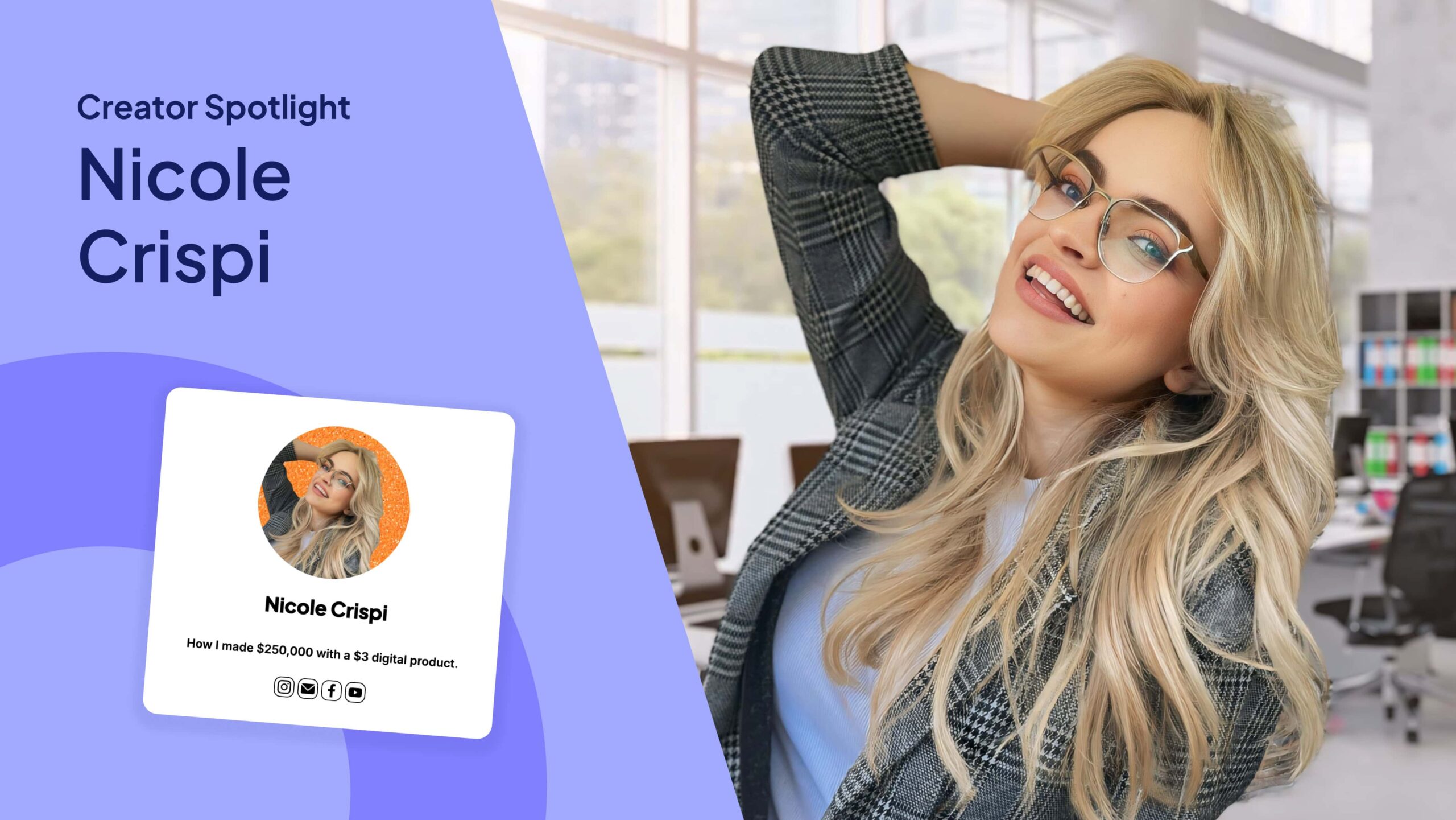
Take Nicole Crispi, for instance. She created DoughBot—a custom GPT packed with all her baking and business knowledge so her customers can get their questions answered in real-time.
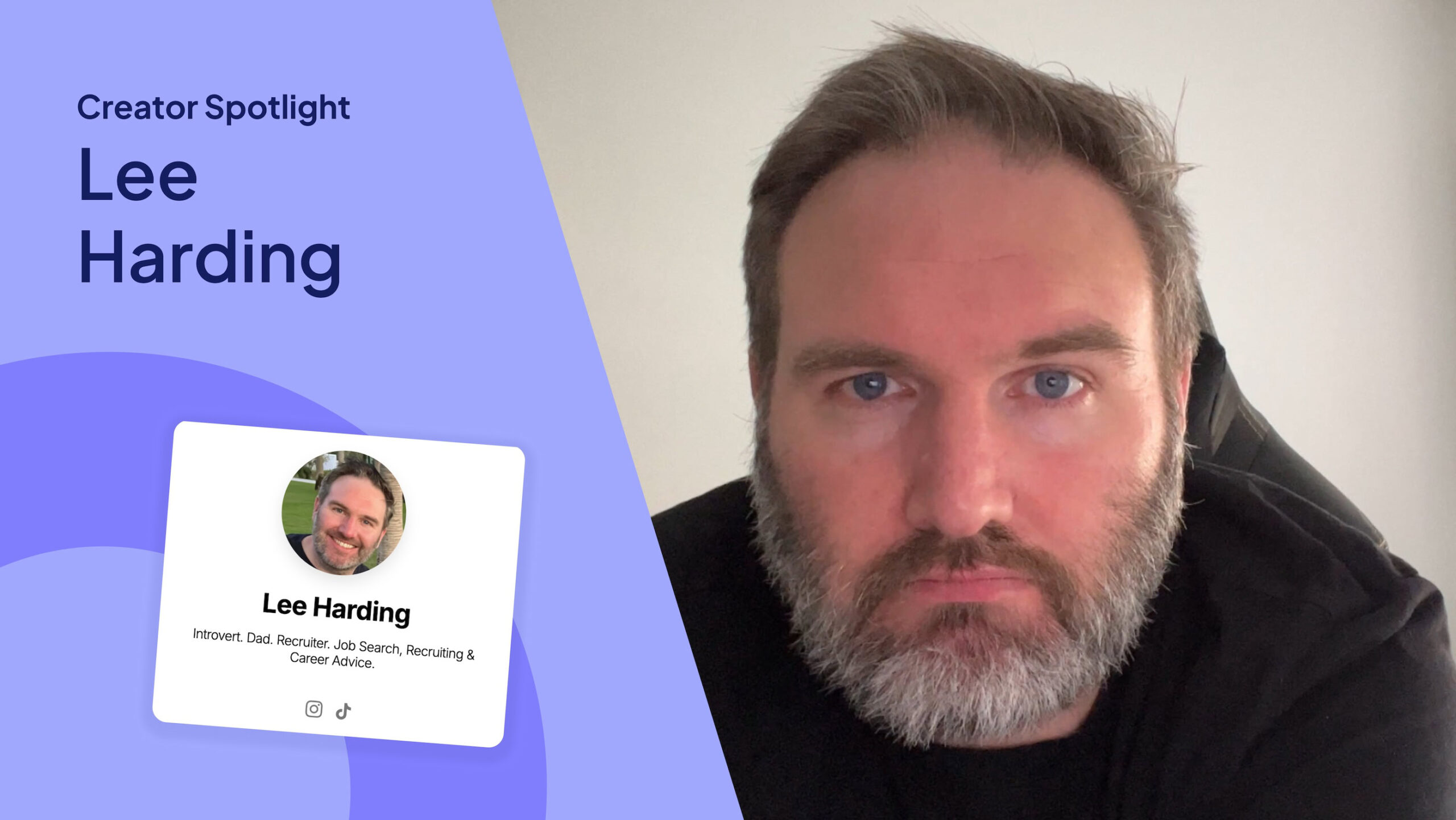
Or Lee Harding, who sells a variety of AI offers, like his AI job search bundle, to support job seekers.
And Becca Berry, who built beccaSAYS™—a GPT version of herself.
What This Means For 2026
The Creator economy didn’t just grow in 2025—it redefined what it means to be a Creator.
We’ve entered the Creator-Entrepreneur era, where Creators aren’t just entertaining. They’re building livelihoods on their own terms, shaping culture, and having a profound impact on the world around us.
That’s exactly why Stan exists: to empower anyone to make a living working for themselves and build a business that lasts.
There’s never been a better time to build your own. You’re up.
Our Methodology: Where These Numbers Came From
To explore the state of the Creator economy and where it’s headed, we analyzed aggregated, anonymized data from over 80,000 Creators as well as our own anonymous, first-party survey data. We’ve also included relevant external insights, which are linked throughout the article.
Beyond the numbers, we turned to top Creators for their insights, including:
- Brock Johnson, @brock11johnson
- Jefferson Isesele, @jeffisesele
- Jenna Peterson, @jennapeterson
- Ohneis, @ohneis652
By sharing these findings, we hope to provide Creators like you with actionable insights you can use to navigate the year ahead.