Loading the
Elevenlabs Text to Speech
AudioNative Player…
TL;DR
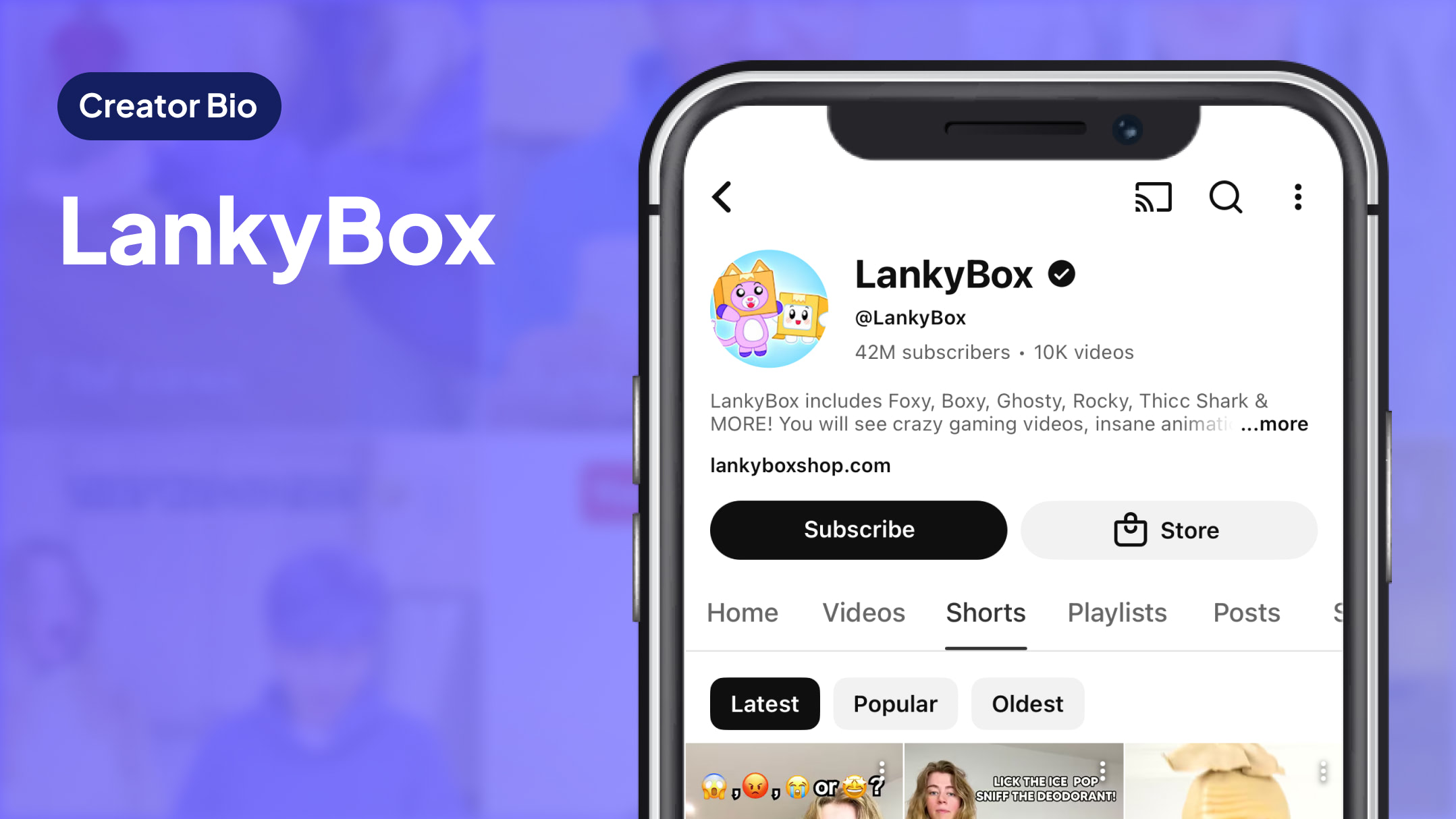
LankyBox is a Creator brand founded by Justin Kroma and Adam McArthur that grew from zero-budget parody videos into one of the largest kid-friendly YouTube ecosystems in the world. By focusing on repeatable formats, audience clarity, and scalable systems, they turned early traction into long-term growth. Their pivot into gaming content, introduction of recurring characters, and expansion into merchandise, retail, publishing, and brand licensing allowed them to diversify revenue and reduce platform risk. Along the way, they overcame the challenges of scale, algorithm dependency, and creative fatigue by building systems instead of relying on inspiration alone. For Creators, LankyBox’s journey offers a clear lesson: sustainable success comes from formats, focus, and thinking beyond your next upload.
LankyBox didn’t grow by accident. What started as a small YouTube experiment between two Creators evolved into one of the most recognizable kid-friendly Creator brands on the platform—spanning gaming content, original characters, merchandise, books, and real-world brand extensions.
Founded by Justin Kroma and Adam McArthur, LankyBox stands out not because of a single viral hit, but because of its repeatable system for turning formats into intellectual property and attention into business. Their journey gives Creators a clear blueprint for success: start with constraints, double down on what works, and build beyond a platform before it forces you to.
For aspiring Creators, LankyBox’s story is all about how consistency, audience clarity, and smart monetization choices can turn a YouTube channel into a long-term Creator business. Below, we’ll break down exactly how LankyBox got started, how they grew, the challenges they faced along the way, and the lessons other Creators can apply to build something that lasts.
LankyBox: Complete Bio Stats
| Category | Details |
| Brand/Channel Name | LankyBox |
| Creators/Founders | Justin Kroma and Adam James McArthur |
| Channel Launch Date | July 30, 2016 |
| Justin’s Full Name | Justin Kroma |
| Adam’s Full Name | Adam James McArthur |
| Justin Kroma’s Birthdate | January 11, 1995 |
| Adam McArthur’s Birthdate | April 27, 1996 |
| Justin Kroma’s Age (2026) | 31 |
| Adam McAruthur’s Age (2026) | 29 |
| Nationality | American |
| Location | Seattle, Washington, United States |
| Primary Platform | YouTube |
| YouTube Subscribers | 42M+ |
| Total YouTube Views | Billions (multiple-billion lifetime) |
| Upload Cadence | Multiple videos weekly |
| Secondary Platforms | TikTok, Instagram, Merch Shop |
| Merch Store | lankyboxshop.com (plush, apparel, accessories) |
| Signature Content Styles | Zero-budget parodies, Roblox & gaming, animated stories |
| Notable Brand Characters | Foxy, Boxy, Ghosty, Rocky, Thicc Shark |
| Notable Ventures | LankyBox Kitchen (food delivery brand extension) |
| Estimated Net Worth | Range: ~$1M+ to multi-million (indicative, varies by source and revenue stream) |
| Famous For | Family-friendly gaming and comedy videos, recurring characters, high-energy edits |
Becoming Creators: How LankyBox Got Started on YouTube
Before LankyBox became a global name in kid-friendly entertainment, it was a simple creative experiment between two friends trying to stand out on YouTube without money, a studio, or industry backing.
The Origin Story: Creativity Over Resources
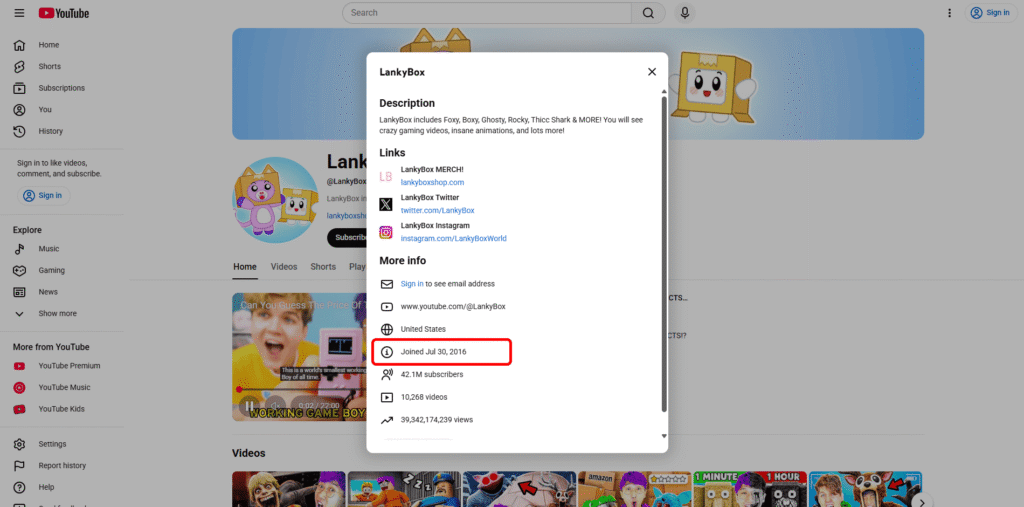
LankyBox was founded by Justin Kroma and Adam McArthur, who launched their YouTube channel in July 2016.
At the time, the platform was crowded with polished prank videos, high-budget sketches, and lifestyle Creators with professional setups. Justin and Adam had none of that—and instead of seeing it as a limitation, they turned it into their advantage.
Their earliest videos leaned heavily into “zero-budget” parody content, recreating popular music videos, movie scenes, and viral trends using everyday objects, basic editing tools, and exaggerated comedy. The concept was simple but powerful: prove that creativity mattered more than production value.
For Creators watching from the outside, this was an early signal of a mindset that would define LankyBox’s future—constraints force clarity.
First Formats and Early Creative Direction
In their early phase, LankyBox experimented across:
- Comedy skits and parody recreations
- Editing-driven humor rather than cinematic visuals
- Internet-native references audiences already recognized
This approach lowered the barrier for viewers to instantly “get” the joke. Audiences didn’t need context—they already knew the source material—which made the videos highly shareable.
But what truly made a difference is that Justin and Adam weren’t chasing virality blindly. They were testing repeatable formats, paying attention to what audiences responded to, and refining their style video by video.
Early Collaboration and Role Clarity
From the beginning, LankyBox benefited from having a clear internal dynamic:
- Justin leaned into expressive performance, reactions, and audience-facing energy
- Adam focused on structure, pacing, and execution that kept videos tight and watchable
This division allowed them to produce consistently without creative burnout—a lesson many solo Creators learn too late.
Laying the Foundation for Scale
Although their early audience was modest, the groundwork was already there:
- A recognizable tone
- A repeatable content framework
- A partnership built on complementary skills
Rather than pivoting constantly, LankyBox doubled down on what worked and improved incrementally. That discipline set them up for their first major moment of traction—when one of their formats finally broke through at scale.
For Creators building today, this stage of LankyBox’s journey reinforces an important truth: you don’t need momentum to build systems—you need systems to create momentum.
Growth Story: How LankyBox Built a Massive Multi-Channel Creator Brand
Once traction turned into momentum, LankyBox entered its most important phase: scaling without losing control. This is where many Creators plateau or burn out. Justin Kroma and Adam McArthur did the opposite—they built infrastructure.
From Channel to System
Rather than treating YouTube as a single feed, LankyBox began designing their content like a media network. Every decision served one of three goals:
- Increase discoverability
- Improve retention
- Turn viewers into long-term fans

To do this, they stopped relying on improvisation and leaned into repeatable production systems.
Key changes included:
- Clear video templates that could be reused and refined
- Predictable pacing and humor beats
- Strong opening hooks designed for younger attention spans
This shift allowed them to increase output without sacrificing consistency—a crucial factor in how YouTube recommends content.
Multi-Channel Expansion: Owning More Surface Area
As demand grew, LankyBox expanded beyond a single channel. Instead of cramming every idea into one feed, they launched additional channels to separate formats and audiences.
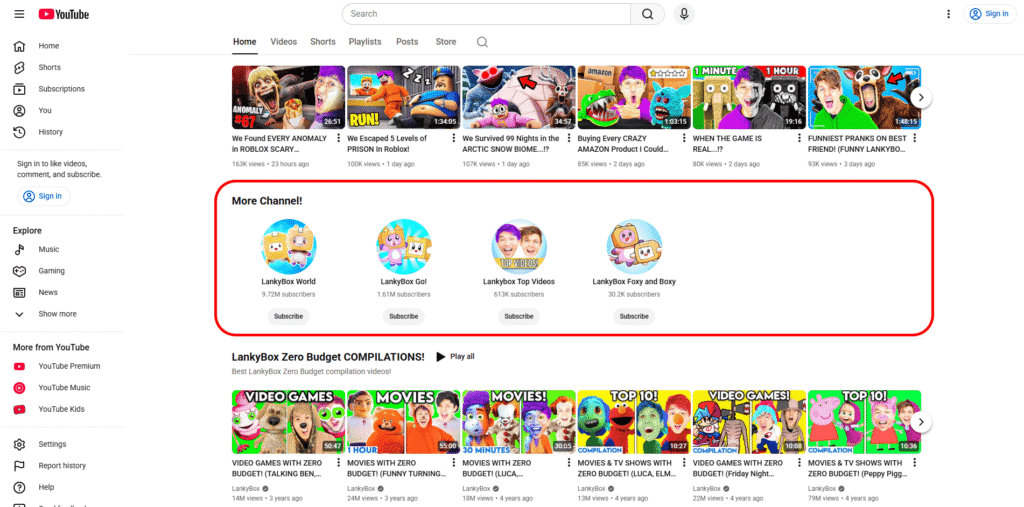
This strategy accomplished three things:
- Reduced algorithm confusion
- Allowed different content styles to flourish independently
- Created multiple discovery entry points into the LankyBox ecosystem
Animation-driven content, compilations, and gaming variations could now scale simultaneously—all feeding back into the core brand.
For Creators, this move highlights an advanced growth tactic: when one channel becomes crowded, don’t dilute it—segment it.
IP and Characters: Scaling Beyond Personalities
One of LankyBox’s most powerful growth levers was the introduction of recurring characters and mascots. These characters weren’t just visual flair—they were brand assets.
By building recognizable IP, LankyBox:
- Reduced reliance on individual personalities
- Increased memorability for younger audiences
- Created assets that could live across videos, merchandise, and offline products
This shift transformed LankyBox from “two Creators reacting” into a brand universe.
Shorts, Compilations, and Catalog Monetization
As YouTube Shorts became more important for growth, LankyBox quickly adapted. Short-form content became their top-of-funnel engine, driving:
- New audience discovery
- Re-engagement from dormant viewers
- Traffic into longer videos and playlists
At the same time, compilation videos allowed them to monetize their back catalog. Instead of letting old content fade, they repackaged it to extend watch sessions and revenue.
This dual strategy maximized every piece of content they had already created—a move many Creators overlook.
Audience Focus as a Growth Advantage
Perhaps most importantly, LankyBox committed fully to a clear audience identity: kids and pre-teens seeking fast-paced, family-friendly entertainment.
This clarity made decisions easier:
- Thumbnails stayed bold and simple
- Humor stayed exaggerated but safe
- Brand partnerships aligned naturally
Rather than chasing older demographics, LankyBox optimized relentlessly for the audience they served best—and that focus unlocked scale.
Monetization: How LankyBox Turned Attention Into a Creator Business
For many Creators, monetization is an afterthought. For LankyBox, it became a strategic pillar—one designed to reduce platform risk and build long-term sustainability.
Rather than relying solely on YouTube ad revenue, Justin Kroma and Adam McArthur treated their audience as the foundation of a diversified Creator economy, expanding revenue streams as their brand matured.
YouTube Revenue at Scale
At its core, YouTube remains LankyBox’s largest distribution engine. With tens of millions of subscribers and billions of lifetime views, ad revenue provides a powerful baseline.
However, LankyBox never positioned ads as their only income source. This distinction matters.
Platform revenue is volatile, algorithm-dependent, and difficult to forecast—especially in kids-focused categories where CPMs can fluctuate.
Their monetization strategy assumed uncertainty from the start.
Merchandise: Owning the Customer Relationship
One of LankyBox’s most important business moves was investing early in direct-to-consumer merchandise.

Their merch strategy works because:
- Products are tied directly to their characters and content universe
- Pricing aligns with their young audience and parents
- Drops are integrated naturally into videos, not bolted on as ads
Plush toys, apparel, accessories, and collectibles transformed passive viewers into paying fans—and, more importantly, into repeat customers.
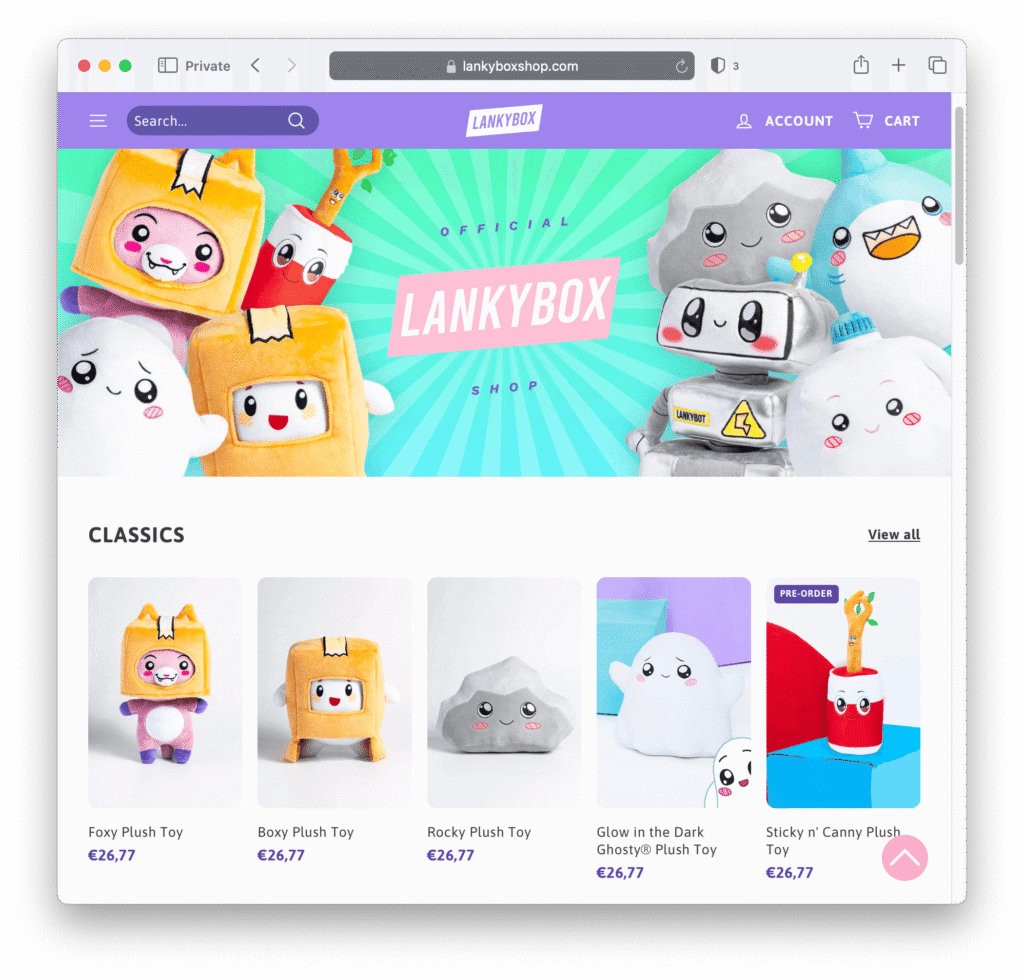
Beyond their own store, LankyBox expanded into major retail distribution, placing products in large chains. This step marked a shift from Creator merch to consumer brand, dramatically increasing reach while reducing reliance on YouTube traffic alone.
Publishing and IP Extensions
As their characters gained recognition, LankyBox expanded into books and graphic novels—a move that reinforced their IP rather than distracting from it.
Publishing served multiple purposes:
- Introduced the brand to new audiences
- Extended character stories beyond video
- Created evergreen products not tied to algorithms
For Creators, this illustrates an advanced monetization principle: IP multiplies revenue options.
Brand Extensions Beyond Digital
One of LankyBox’s most notable expansions came through brand licensing and experiential ventures, including a Creator-branded virtual restaurant concept.
This move signaled a new phase of Creator monetization:
- Content drives awareness
- Awareness drives real-world transactions
- Transactions loop back into content engagement
While not every Creator should pursue physical or experiential products, LankyBox’s success shows what becomes possible when a brand is bigger than a single platform.
Why Diversification Was Non-Negotiable
LankyBox’s monetization model reflects a core belief: Creators don’t own platforms, but they can own brands.
By spreading revenue across:
- Ads
- Direct merchandise
- Retail partnerships
- Publishing
- Licensing and extensions
…they protected themselves against algorithm changes, unpredictable brand deals, and aging audiences.
Challenges, Setbacks & Resilience: How LankyBox Sustained Long-Term Growth
From the outside, LankyBox can look like an overnight success. In reality, scaling a Creator business to this level comes with pressures that aren’t visible in analytics dashboards. Justin Kroma and Adam McArthur didn’t just have to grow—they had to endure.
The Hidden Challenge of Scale
As LankyBox’s audience expanded into the tens of millions, the demands on the brand multiplied:
- Higher upload expectations
- Increased production complexity
- Greater scrutiny due to a young, family-focused audience
For many Creators, rapid growth creates friction between creativity and sustainability. LankyBox addressed this by leaning further into systems, not spontaneity.
Rather than burning out trying to “outperform” every previous video, they standardized:
- Content structures
- Editing rhythms
- Character-driven storytelling
This allowed them to maintain output without exhausting their creative capacity.
Platform Dependency and Algorithm Risk
Like most Creator-led businesses, LankyBox is deeply tied to YouTube—a platform where algorithm shifts, policy updates, and advertiser behavior can dramatically impact revenue.
For a brand serving younger audiences, this risk is amplified. Content must remain:
- Brand-safe
- Advertiser-friendly
- Consistent with evolving platform policies
Instead of reacting defensively to these constraints, LankyBox treated them as design parameters. Family-friendly content wasn’t a limitation—it became a competitive advantage that unlocked partnerships, retail opportunities, and long-term trust.

Creative Fatigue and Audience Expectations
Another challenge LankyBox faced was content fatigue. Not just for Creators, but for viewers. High-frequency publishing can quickly feel repetitive if formats aren’t refreshed.
Their solution wasn’t constant reinvention. It was controlled evolution:
- Introducing new characters
- Layering short-form content alongside long-form
- Using compilations to reduce pressure on new production
By evolving within established formats, LankyBox stayed familiar without becoming stale.
Operating as a Duo at Scale
Running a Creator business with a partner adds complexity as scale increases. Decisions carry more weight, schedules tighten, and the margin for misalignment shrinks.
LankyBox’s longevity suggests a key internal strength: clear role separation and mutual trust. Justin and Adam didn’t compete for spotlight—they optimized for output. This partnership model reduced decision bottlenecks and preserved creative momentum.
What Creators Can Learn from LankyBox About Building a Sustainable Brand
The story of LankyBox isn’t just impressive—it’s instructive. Justin Kroma and Adam McArthur didn’t succeed by accident or luck. They built a Creator business intentionally, and their journey offers concrete lessons that Creators at any stage can apply.
1. Formats Scale Better Than One-Off Ideas
LankyBox’s earliest success came from identifying formats they could repeat and improve. Their zero-budget parodies weren’t just funny—they were systematic. Don’t ask “What should I post today?” Ask “What format can I repeat 100 times?”
2. Constraints Are a Creative Advantage
LankyBox didn’t start with expensive gear or studio production. They leaned into what they didn’t have and turned limitations into identity. Lack of resources isn’t a blocker—it’s a filter that forces originality.
3. Audience Clarity Unlocks Growth
Rather than chasing every demographic, LankyBox committed fully to a kids and pre-teen audience. That clarity shaped everything from thumbnails to humor to partnerships. Serving one audience extremely well beats trying to please everyone.
4. Systems Prevent Burnout
As their output increased, LankyBox didn’t rely on inspiration alone. They built workflows, templates, and repeatable structures that made consistency possible. If your content only works when you’re “in the mood,” it won’t scale.
5. IP Is Stronger Than Personality Alone
By developing recurring characters and a recognizable brand universe, LankyBox reduced dependency on individual personalities.
6. Monetization Should Follow Trust, Not Chase It
LankyBox didn’t rush to monetize. When they did, products felt native to the content and valuable to their audience. Build audience trust first. Monetization should feel like an extension, not an interruption.
7. Diversification Is Risk Management
Ads alone are fragile. LankyBox expanded into merchandise, retail, publishing, and licensing to protect against platform volatility. You don’t own algorithms—but you can own revenue streams.
The Road Ahead: What’s Next for LankyBox as a Creator Brand
After nearly a decade of growth, LankyBox has reached a stage few Creators ever do: durability. Justin Kroma and Adam McArthur are no longer just growing an audience—they’re maintaining a brand that can evolve with changing platforms, trends, and viewer habits.
Looking forward, LankyBox’s strength lies in optionality. Their business is no longer dependent on a single content style, revenue stream, or algorithm. With established IP, recognizable characters, and diversified monetization, the brand can expand into:
- New content formats without alienating core fans
- Additional licensing or retail partnerships
- Longer-term brand extensions beyond YouTube
More importantly, their Creator journey reflects a broader shift in the Creator economy. The most successful Creators of the next decade won’t just be entertainers—they’ll be operators, brand builders, and entrepreneurs.
Building your own audience? Stan Store is the easiest way to monetize it. Try it for 14 days and start earning.
 YouTube
  Instagram
  TikTok
 FAQ: LankyBox
Who created LankyBox and when did they start their YouTube channel?
LankyBox was created by Justin Kroma and Adam McArthur, two longtime friends who launched their YouTube channel on July 30, 2016. They started with zero-budget parody videos, turning their lack of resources into a creative advantage that eventually grew into one of the largest kid-friendly YouTube ecosystems in the world.
What is LankyBox’s estimated net worth in 2026?
LankyBox’s estimated net worth ranges from approximately $30 million to $48 million according to various industry sources. Their income comes from multiple revenue streams including YouTube ad revenue, merchandise sales, retail partnerships, publishing deals, and brand licensing—demonstrating successful Creator income diversification.
How did LankyBox grow from zero-budget videos to 42 million subscribers?
LankyBox grew by focusing on repeatable content formats rather than one-off ideas, maintaining clear audience focus on kids and pre-teens, introducing recurring characters like Foxy and Boxy, and expanding to multiple YouTube channels. They built systematic workflows instead of relying on inspiration, allowing consistent high-frequency publishing that algorithms reward.
What type of content does LankyBox create?
LankyBox specializes in family-friendly gaming content, particularly Roblox gameplay, zero-budget parody videos, animated stories featuring their signature characters (Foxy, Boxy, Ghosty, Rocky, Thicc Shark), and high-energy edited comedy. They evolved from music video parodies to gaming-focused entertainment optimized for younger audiences with fast-paced, exaggerated humor.
How does LankyBox make money beyond YouTube ads?
LankyBox monetizes through direct-to-consumer merchandise (plush toys, apparel, accessories via lankyboxshop.com), major retail distribution partnerships, books and graphic novels, brand licensing deals, and experiential ventures like LankyBox Kitchen. This diversification reduces platform dependency and creates multiple revenue streams beyond volatile YouTube ad income.
What makes LankyBox’s brand different from other YouTube Creators?
LankyBox built intellectual property through recurring characters rather than relying solely on individual personalities. They created a brand universe that extends beyond YouTube into merchandise, retail, publishing, and licensing. Their systematic approach to content production, multi-channel strategy, and clear family-friendly positioning helped them scale beyond many Creator brands.
How old are Justin Kroma and Adam McArthur from LankyBox?
Justin Kroma was born January 11, 1995 (age 31 in 2026), and Adam McArthur was born April 27, 1996 (age 29 in 2026). The duo met as friends before becoming YouTube collaborators, with their complementary skills—Justin’s expressive performance and Adam’s structural execution—creating an effective creative partnership.