Patreon almost wrote the playbook for Creators: make awesome content, find your people, and give them a way to cheer you on and, of course, pay you.
That model still works. It just isn’t the only model anymore.
Creators usually mix it up, simultaneously combining several income streams. Whether you’re running paid communities, publishing newsletters, selling a digital product, or accepting tips, once your business expands beyond monthly memberships alone, Patreon can stop feeling like the automatic choice.
Then you have to make the dollars make sense. If you’re new to Patreon, you’re looking at a 10% platform fee, and that’s before payment processing and any other extras. That might be a fair trade if you love Patreon’s toolkit for memberships, community, publishing, and discovery. But with that much on the table, it’s smart to shop around.
If you’re wondering what else is out there, here are five Patreon alternatives worth checking out.
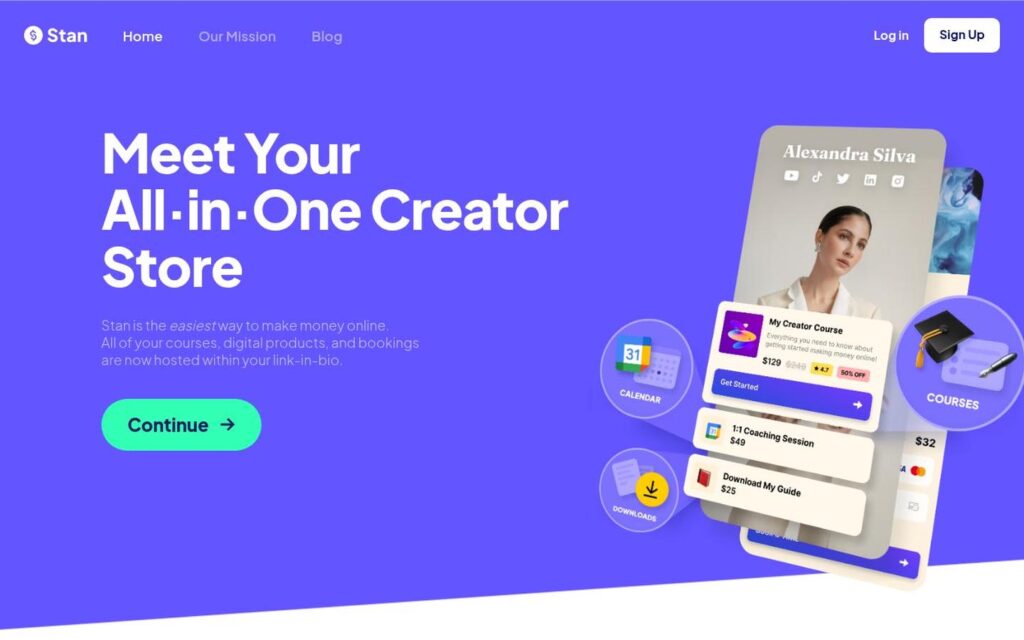
1. Stan
⭐ 4.7/5 from 2,169 reviews Trustpilot
Best for: Creators whose business is bigger than a membership
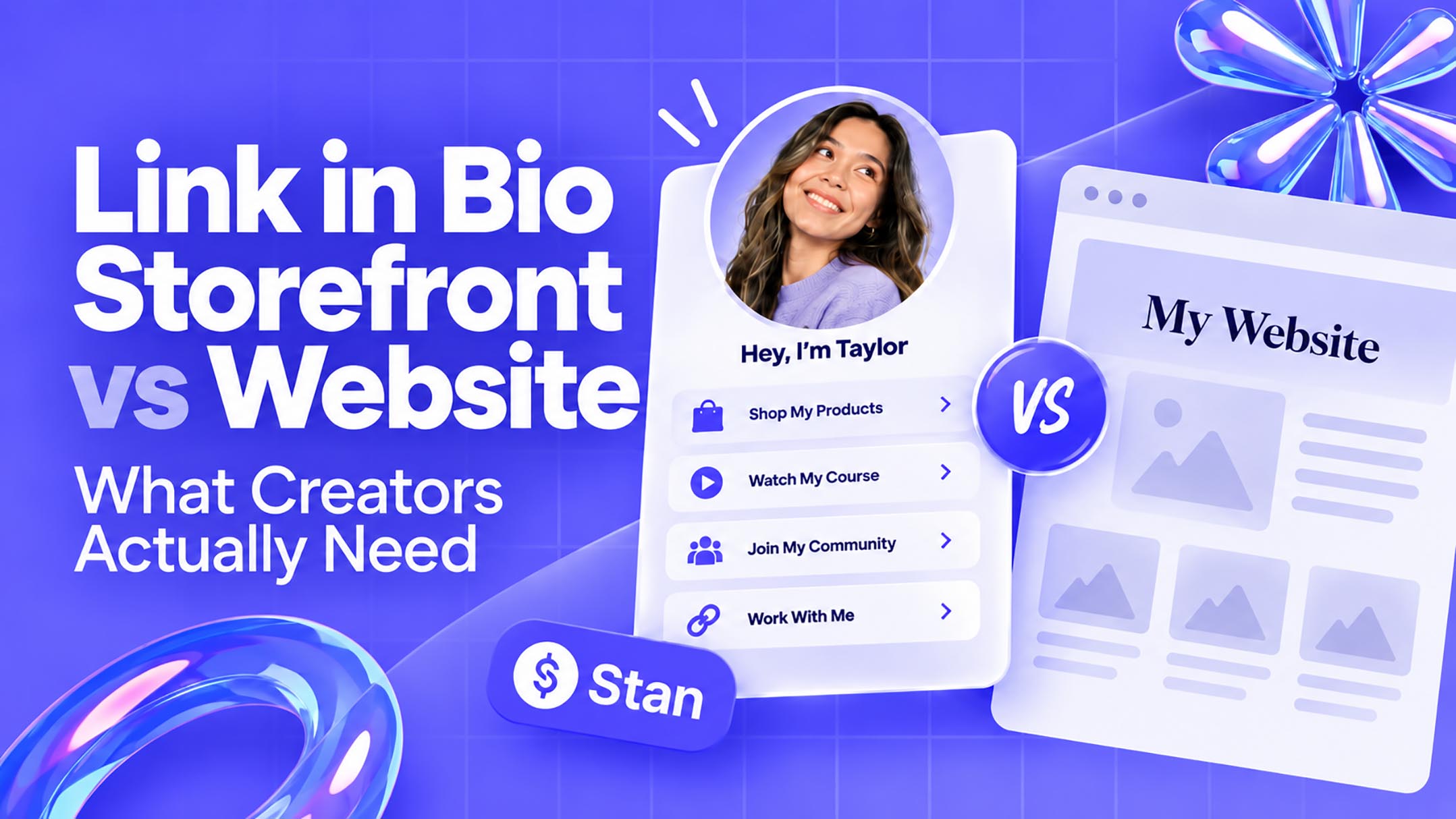
Patreon starts with the membership. Stan starts with the Creator.
In other words, Patreon shines brightest when your income revolves around memberships. Stan is built for Creators whose revenue model may grow in more than one direction.
Creator businesses are continually evolving; an audience that initially joins through a membership might later respond more favorably to a digital product, a coaching service, a community, or another way to buy. Stan gives you room to add those revenue streams without rebuilding your business around a new platform every time your offer evolves.
The flat monthly pricing also changes the economics as you grow. Instead of giving up a percentage of every sale, you pay for the platform itself and keep more of the upside as revenue increases.

The trade-off is that Stan doesn’t have a free plan, and some of its more advanced marketing tools are available only in Creator Pro. But for Creators building with the long term in mind, that flexibility is part of the value. Don’t worry though, you can still try before you buy with a free 14-day trial.
Pricing: $29/month for Creator or $99/month for Creator Pro, with 0% Stan transaction fees
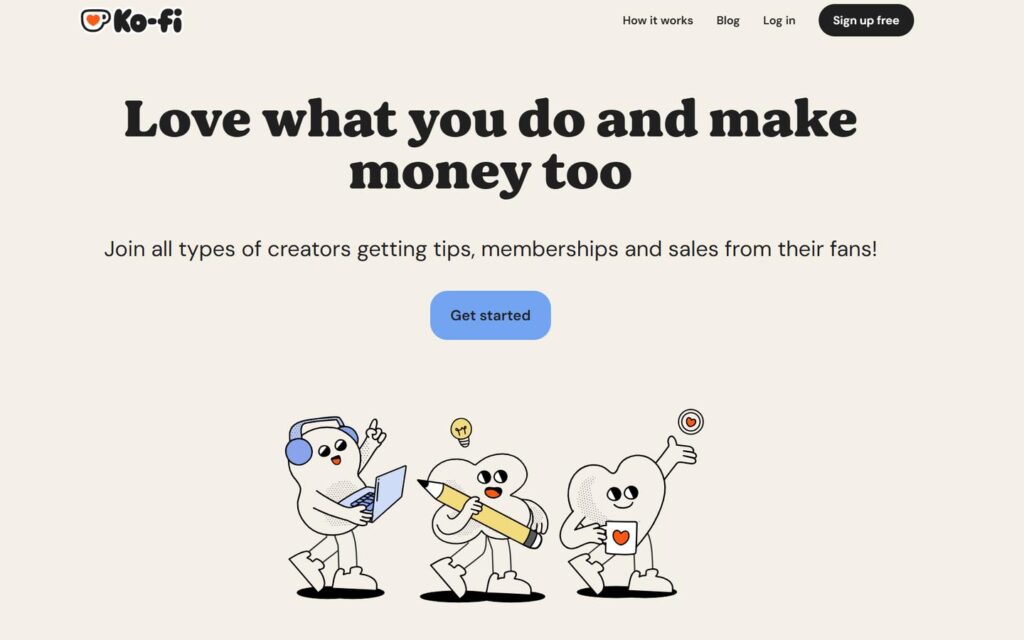
2. Ko-fi
⭐ 4.6/5 from 775 reviews Trustpilot
Best for: Creators looking for a simple, low-key way to accept support.
Ko-fi is basically the digital equivalent of leaving a tip jar on the counter.
It works well when people know what you do and need a simple way to support it. There’s no pressure to turn every follower into a subscriber, which makes Ko-fi a natural fit for artists, streamers, illustrators, and other Creators whose audience may want to contribute occasionally.
The limitation is discovery. Ko-fi doesn’t have a native Creator search or a recommendation algorithm designed to help new people find you. You’re expected to bring the audience with you.
That’s not necessarily a problem if you already have an active following, but it matters if you’re hoping the platform itself will help you grow.
Pricing: Free plan with 0–5% service fees, or $12/month for Ko-fi Gold with 0% platform fees
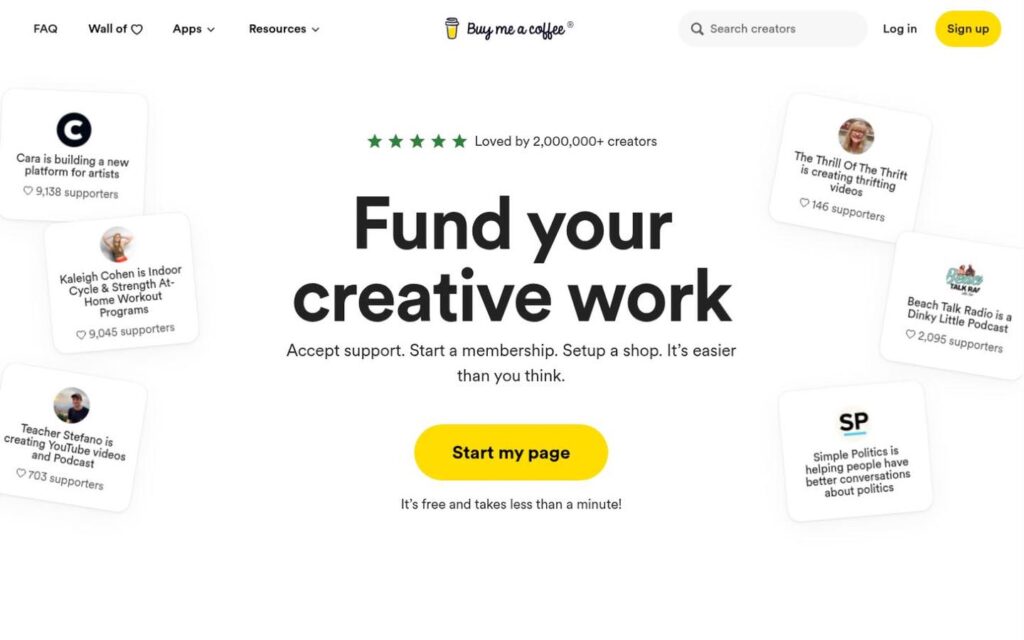
3. Buy Me a Coffee
⭐ 3.9/5 from 1,641 reviews Trustpilot
Best for: Letting followers show you some love with zero hassle
Much like similar-sounding Ko-Fi, Buy Me a Coffee makes supporting a Creator feel casual and simple.

Someone can land on your page, leave a tip, and move on without committing to a complicated membership setup. If you want to start earning from your audience without a monthly subscription, this is your low-cost launchpad.
You can grow beyond one-off contributions with memberships or by selling digital products, but Buy Me a Coffee still works best when the transaction itself is straightforward.
If your business involves larger custom projects or services that require a lot of back-and-forth, you’ll probably outgrow what the platform was designed to handle.
Pricing: $0/month with a 5% platform fee
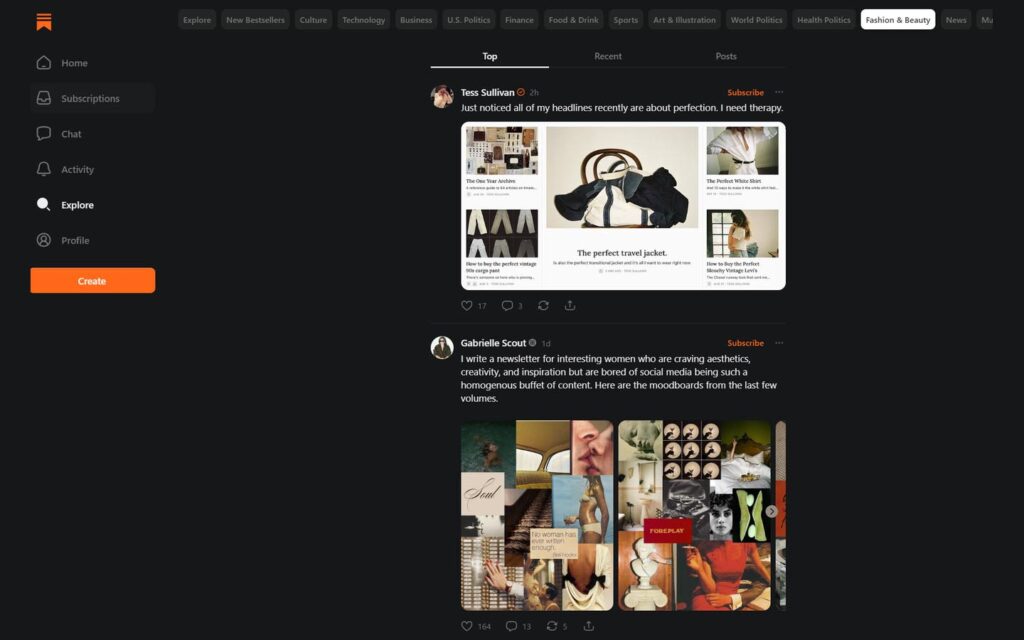
4. Substack
⭐ 1.5/5 from 181 reviews Trustpilot
Best for: Creators whose content is the product
Substack makes the most sense when people are paying because they want more.
Writers are the obvious fit, but the same model works for podcasters and other Creators building an audience around regular releases. Unlike many Patreon alternatives, Substack also has its own discovery network, which can help good work reach beyond your existing audience.
Its focus on publishing is also its biggest limitation.
If you want to build a broader storefront around products, services, or other offers, Substack can start to feel restrictive. It’s excellent at turning readers into subscribers, but it isn’t trying to be an all-purpose Creator business platform.
Pricing: Free to publish, with Substack taking 10% of paid subscription revenue
5. Gumroad
⭐ 1.4/5 from 418 reviews Trustpilot

Best for: Getting a digital product up for sale quickly
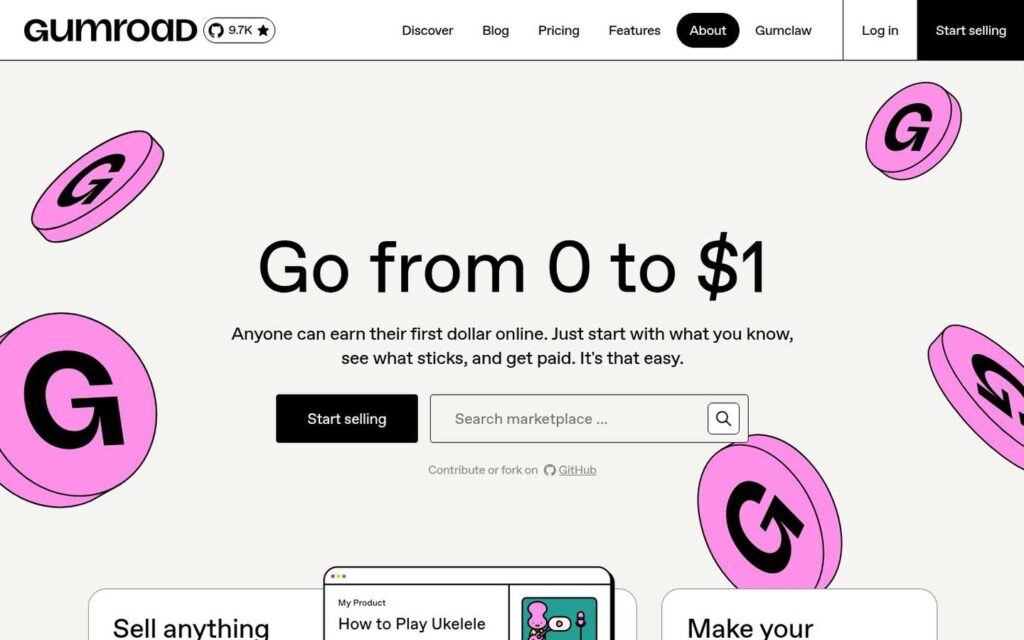
Gumroad has remained popular because there isn’t much standing between “I made something” and “people can buy it.”
There’s no monthly subscription to get started, which can be appealing when you’re testing an idea or only making occasional sales. It works particularly well when the thing you’re selling is already packaged and ready to go.
The tradeoff shows up as you sell more. Gumroad takes a percentage of each transaction, so the amount you pay grows alongside your revenue.
It’s also much more comfortable with products than services. If coaching, consulting, or custom client work is a major part of your business, you’ll probably want something built to handle those offers more naturally.
Pricing: $0/month; direct sales are 10% + $0.50 per transaction, while Discover sales carry a 30% fee
Patreon Isn’t the Only Way to Build Recurring Revenue
The interesting thing about Patreon alternatives is that several of them do not actually try to recreate Patreon.
Ko-fi and Buy Me a Coffee make support more casual. Substack wraps subscriptions around publishing. Gumroad starts with the product. Stan gives you a storefront where recurring revenue can sit alongside other ways of earning.
That flexibility matters because audiences do not always want to buy the same thing forever. As your business grows, the way people support you can change too. If memberships are working and Patreon already gives you what you need, there may be no reason to move. But if you want room to expand beyond a membership-first model, it makes sense to choose a platform that can grow with the business.
For Creators who want that flexibility, Stan leaves more room to follow demand wherever it goes instead of locking the business into a single way of earning.