TL;DR
LinkedIn isn’t just a jobs platform anymore. As audiences increasingly value credibility over reach, it’s become one of the best platforms for turning your expertise into income. Here are the six best ways to monetize LinkedIn in 2026—from freelancing and coaching to paid communities and newsletters—plus a 30-day plan to help you start earning.
LinkedIn is no longer just a place to network and discover jobs—it’s becoming one of the best social platforms for making money online. Unlike Instagram or TikTok, where visuals dominate the feed, you can build and monetize an audience with text-only posts, images, videos, or newsletters.
And it’s not just Creators making money on LinkedIn—it’s everyday people invested in building their personal brands and extra income streams.
Learning how to monetize LinkedIn isn’t as hard as you might think. It ultimately comes down to establishing credibility, a clear offer, and engagement with your audience. To help you get started, we’re breaking down the top six revenue streams you can build on LinkedIn in 2026, plus the foundations that make them work.
Why LinkedIn Is the Best Place to Make Money in 2026
LinkedIn isn’t your average social media platform. It centers on authority, networking, and long-term discoverability—while acting as a living portfolio you can take with you wherever your career veers next.
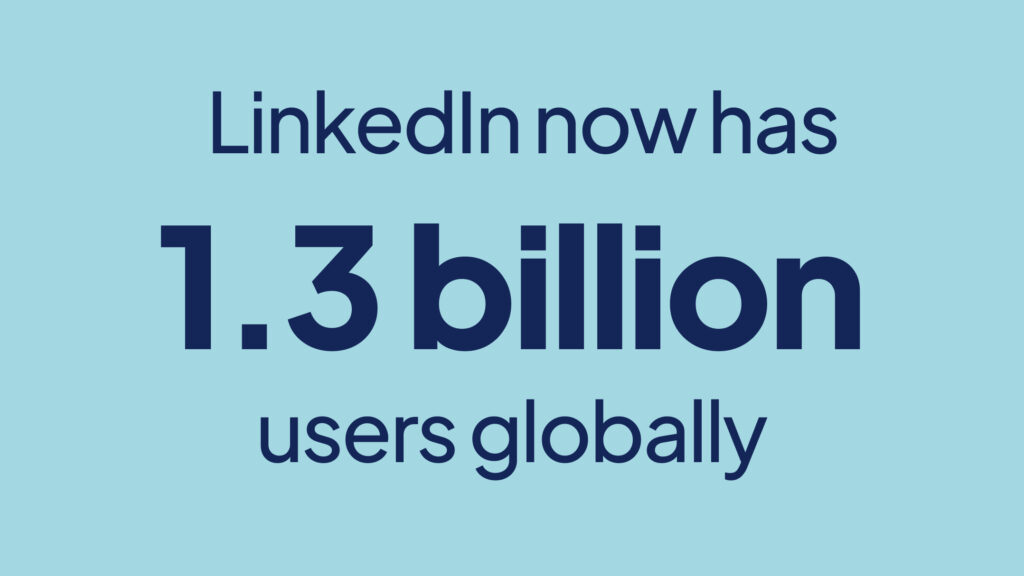
The platform has over 1.3 billion members globally, roughly 63 million of which are decision-makers. The exact people who sign contracts, approve budgets, and hire consultants (your potential customers 😉). And while the majority of social platforms are designed for mindless doomscrolling, most people on LinkedIn are there to learn, network, and invest in themselves—making them more likely to buy offers that deliver on that than casual viewers.
Then there’s LinkedIn content’s longevity. LinkedIn posts with high engagement can stay in feeds for two to three weeks (sometimes even months), giving your content a longer shelf life than almost any other social platform.
Put it all together, and you get a platform where your expertise keeps working for you long after you hit post. One strong post can reach the people with the budget and the intent to buy—and keep reaching them for weeks.
It’s a combination most platforms can’t offer. And it’s why the rest of the Creator economy is starting to pay attention to LinkedIn.
Why LinkedIn Is Having a Moment
For years, the Creator economy ran on follower count and reach. The bigger your audience and visibility, the more pull you had. But now, across the board, credibility matters more.
Audiences are becoming more skeptical, favoring Creators with experience and expertise. Because in a world where AI can create a post that looks real and anyone with a mic can sound like an expert, it’s harder to tell who actually is one.
At the same time, more people are turning to LinkedIn to build their own, blurring the lines between Creator, employee, and founder. And for good reason—LinkedIn has the highest average social engagement of all major platforms, clocking in at 6.5%.
That’s exactly why LinkedIn got attention at Cannes Lions 2026, debuting as a headline partner just weeks after launching its first Creator Marketplace. They also rolled out new tools like collaborative posts to draw more Creators to the platform, whose Creator presence has doubled since 2021.
Today, an expert with a few thousand trusted connections can be worth more than a generalist with hundreds of thousands of followers. Trust is one of the most valuable things you can have in the Creator economy, yet the hardest thing to earn. LinkedIn helps people build it.
The LinkedIn algorithm in 2026 reinforces this. It rewards dwell time, quality comments (which carry 15 times more weight than likes), and saves. Carousels and document posts consistently outperform link shares and plain text. Content that sparks genuine conversations gets pushed to a wider audience for weeks—not hours. And LinkedIn has begun prioritizing content with depth vs. shallow takes.
So if you have expertise to share, LinkedIn is without a doubt the next big opportunity to make money online.
6 Ways to Make Money on LinkedIn in 2026
When it comes to growing and monetizing an audience on LinkedIn, there are a couple of different ways you can earn. Some pay more but take more time, while others are lower-ticket and built for scale.
Here are the top six revenue streams worth considering if you want to start making money on LinkedIn—whether you’re launching your first side hustle or building on an existing business.
#1: Freelancing and Consulting
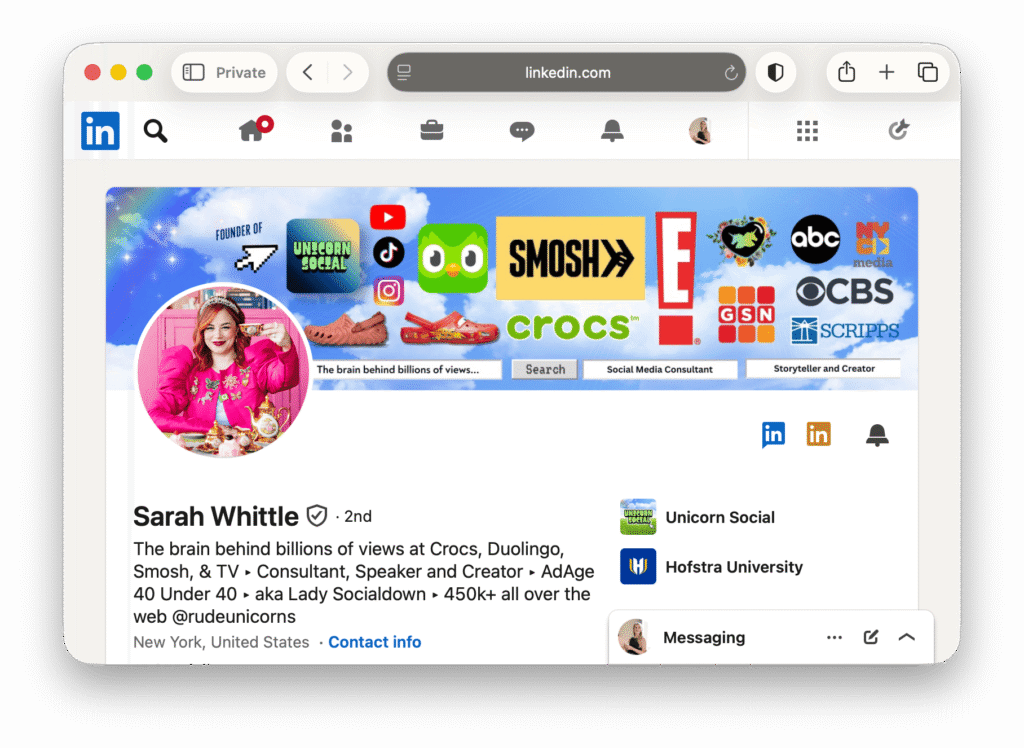
LinkedIn is a platform built on career proof. Users can easily see where you’ve worked, what you’ve done, and who has recommended you by looking at your profile. And the more you start posting content around what you know, how you approach various situations, and who you are, the more you’ll begin to build an identity around it.
Your content acts as a living, breathing portfolio of what you’re capable of that can sell others on working with you before you’ve ever pitched for an opportunity or applied to a job. So one of the simplest and most lucrative ways to start monetizing your expertise is to offer a service-based offer, like freelancing or consulting.

For instance, you might offer:
- Brand identities for early-stage startups
- Pitch deck writing for founders raising their first round
- Fractional HR consulting for fast-growing teams
- Paid ads management for ecommerce brands
You don’t need a massive following to start freelancing. You just need to clearly communicate to your audience what services you offer, who it’s for, and how they can work with you.
There are a lot of upsides to offering freelance or consulting services, whether you plan on doing it full-time or not. For one, you control how much you charge and how you work with clients—and you can typically charge higher prices than digital offers.
But on the flip side, freelancing and consulting take time. There’s a limit to how much work you can take on without outsourcing or burning out, so it’s not the most scalable revenue stream.
How to Do It
- Start by getting specific about what you’ll offer. Instead of listing twelve things you can do, focus on one or two core services with clear deliverables. Think: marketing strategy sprints for SaaS startups, resume rewrites for job seekers in tech, done-for-you LinkedIn ghostwriting, fractional CMO work, or UX audits. Clear messaging about who you help and what transformation you deliver will open doors faster than a vague headline.
- Then, develop a content strategy around your services. You’ll want to build authority and social proof, so focus on carousels and text posts that demonstrate your expertise, share case studies from past work, and address a specific problem your ideal client faces.
- Combine content with targeted outreach. Send personalized connection requests that reference someone’s recent post or role change, not a sales pitch. Start conversations, build genuine relationships, and invite people to hop on a short discovery call when the timing feels right. Building genuine connections beats cold pitches every time.
#2: Coaching
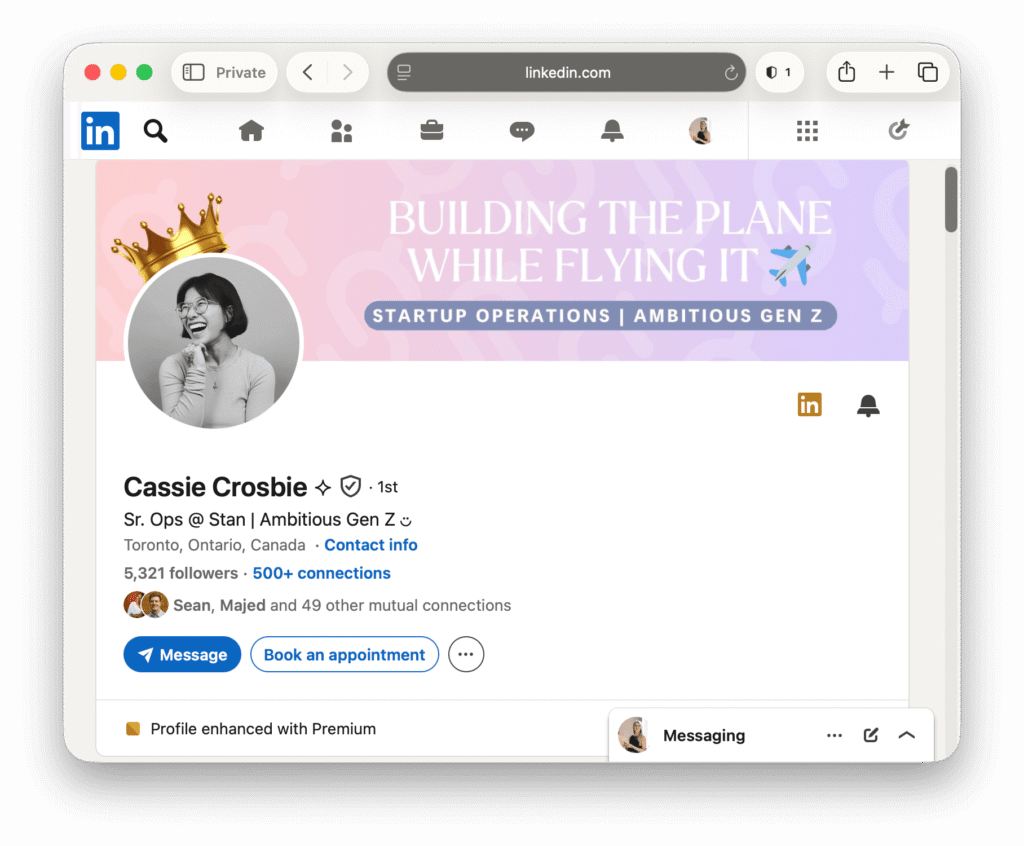
Another way you can make money on LinkedIn is through coaching. Unlike freelancing or consulting, where you’re hired to solve for a specific problem or deliver done-for-you work, coaching is all about working with clients. Sharing guidance, feedback, accountability, or mentorship.
LinkedIn is the perfect platform for selling online coaching—particularly if it’s industry-specific—because many people on it are in search of professional growth. Depending on the type of coaching you offer, you can sell high-ticket coaching calls or ongoing programs with fixed weekly or monthly sprints.
Like any service-based offer, you’ll want to get clear on the outcomes people can expect from working with you.
For example, you could offer:
- Public speaking coaching
- Leadership coaching for new managers
- Career coaching for job seekers navigating a layoff
- Content coaching for LinkedIn Creators
- Mindset coaching for founders navigating early-stage chaos
How to Do It
- Use LinkedIn posts and DMs as your discovery engine. Educational posts attract the right people, a free training or lead magnet qualifies them, a short call converts them, and a paid one-on-one or group program delivers the result.
- Book clients instantly with Stan Store. Stan handles the entire storefront: booking intro calls, selling coaching packages, and delivering bonus resources from a single link. Set yours up and add a CTA to book directly to your LinkedIn profile, like this example from Cassie.
- Charge your worth upfront, and don’t be afraid to raise rates as you grow. Most people undercharge early on. Start with a modest but meaningful rate, then raise fees as testimonials and case studies accumulate. A coaching program with three paying clients and strong results is worth more than a free community with hundreds of lurkers.
#3: Digital Products (Courses, Templates, Playbooks)
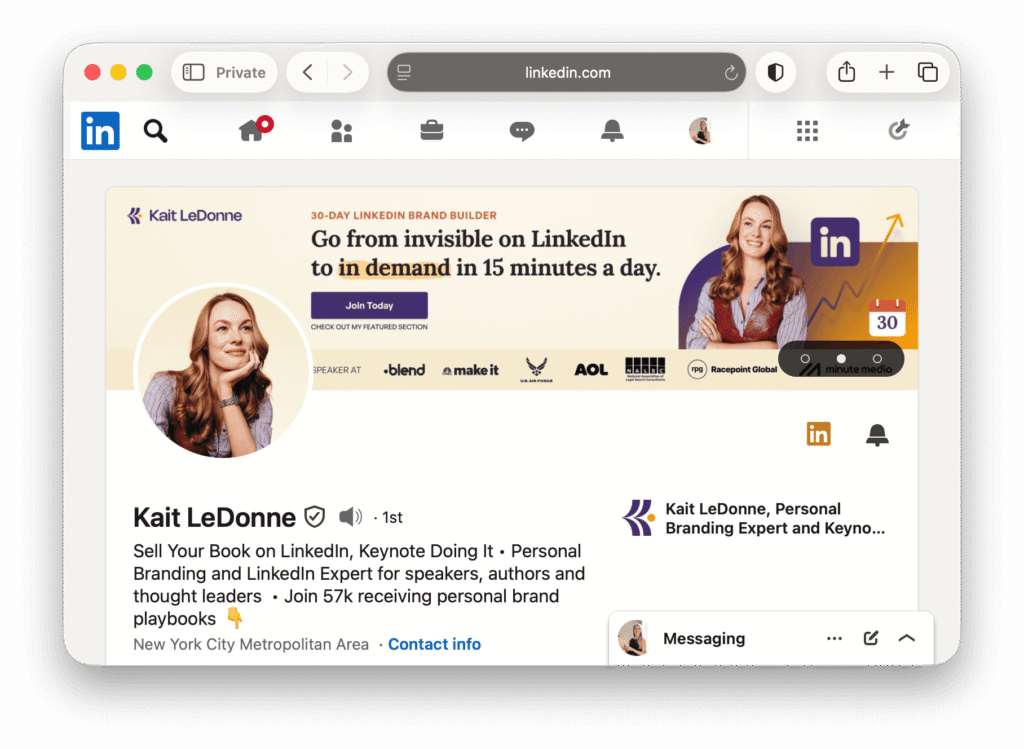
If you don’t want to solely trade your time for money, digital products are one of the best ways to start monetizing LinkedIn. Selling digital products, like ebooks or courses, takes time to create and set up upfront. But once they’re live, you can keep making as many sales as you want without eating into more of your time.
Once you’ve built trust with your LinkedIn community, digital products can be one of the most scalable monetization strategies on LinkedIn.
For instance, you can sell digital products like:
- LinkedIn content calendars
- Outreach message scripts
- Interview prep kits for job seekers
- Notion dashboards
- Short video courses
- Slide-deck playbooks
You can sell low-ticket digital products ($9–$49) like templates, mid-ticket digital products ($97–$297) like online courses, and higher-ticket offers, like bundled libraries.
How to Do It
- Validate demand before building. Share your ideas in LinkedIn posts and ask your audience what digital products they’d happily pay for. Listen to their responses, analyze which posts get the most saves and comments, run polls, and use their feedback to inform your offers.
- Build in public. Bring your LinkedIn audience into your process by sharing what you’re building as you’re creating it. This can help build hype around your digital products and make your audience feel invested in your success. (That’s how we got our first Stanley customers!)
- Sell on Stan Store. It’s the easiest way to host, sell, and deliver digital products, online courses, and more from one beautiful link in bio store. Plus, Stan doesn’t charge transaction fees—so you’ll keep 100% of every sale you make.
- Continue surfacing your digital products. Your offers won’t sell themselves! If you want to turn your digital products into a lucrative revenue stream, keep putting them in front of your audience. Spread awareness about what you offer by using a “teach, then pitch” approach. Give your audience a free taste of what’s inside your download, course, or offer, then explain what they’ll gain by purchasing the paid version.
#4: Brand Deals & Sponsorships
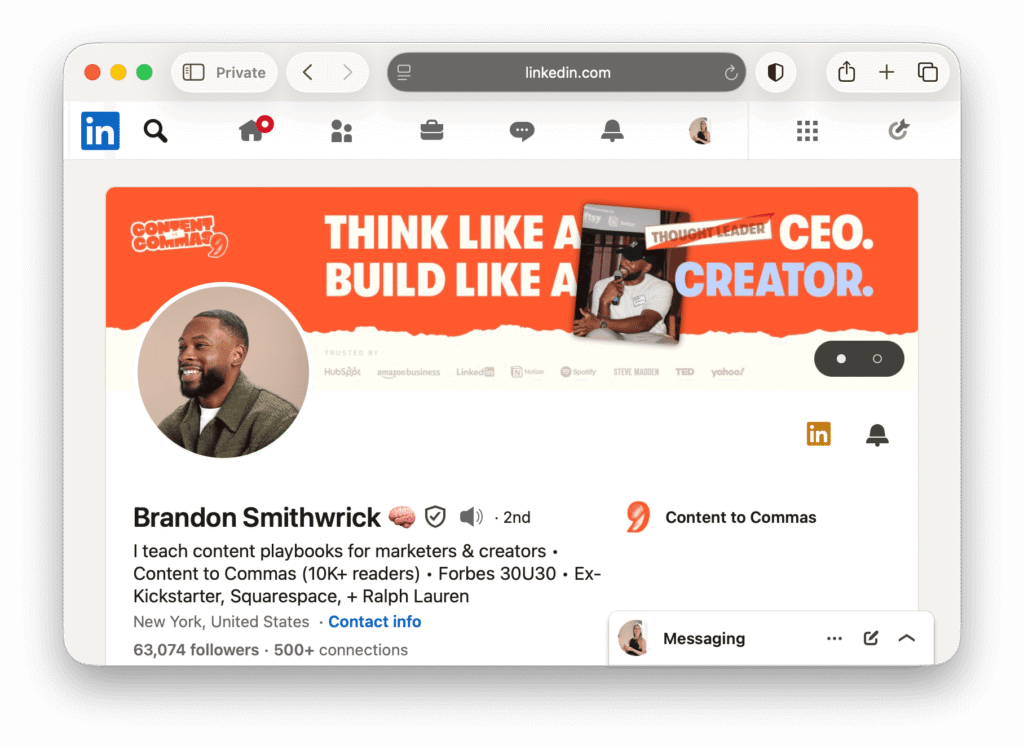
The more you build your personal brand on LinkedIn, the more you’ll get the attention of decision-makers—the people who decide where budgets go for sponsored content, brand deals, or ongoing partnerships.

Brand collaborations can be one of the highest-paying ways to make money on LinkedIn, but they’re much less predictable than other revenue streams. And no—you don’t need a massive audience to land LinkedIn brand deals.
The key to standing out is specificity. If your LinkedIn profile and content speak to everyone and everything, you won’t be very memorable. But if you narrow your focus on a specific industry, a few consistent topics, or a signature format, you’ll be more likely to cut through the noise.
Brand deals can take many forms: sponsored posts, co-branded webinars, product walkthroughs, long-term ambassador roles, or even an in-house role. And now that LinkedIn has rolled out its Creator Marketplace, companies have a brand-new way to discover Creators like you.
How to Do It
- Focus on building a strong personal brand. Brands prefer LinkedIn Creators with engaged, niche-relevant audiences over raw follower count. Most people overlook this and assume you need 100k+ to land brand deals. In reality, a Creator with a specific niche and consistent content around that niche is far more attractive than a generalist with a broad, disengaged following.
- Post consistently. To get on a brand’s radar, share posts regularly, organically mention tools you actually use, tag people when sharing genuine stories, and engage with their company pages.
- Build a simple media kit. Be ready to show brands your follower count, average views, engagement rates, audience breakdown by role and industry, and two or three content ideas tailored to the brand. Collaborating with other Creators can also attract wider audiences and catch brand attention.
- Get in front of brands. Once your foundation is in place, make it easy for brands to find you. If you’re based in the US or Canada, keep an eye out for an invitation to join LinkedIn’s new Creator Marketplace, where brands search for partners by topic and expertise. And in the meantime, set up profiles on platforms like Passionfroot, where brands go to book brand deals with Creators.
- Don’t wait for brands to come to you. Make a list of companies whose tools you already use and talk about, then send their marketing or partnerships team a short, personalized pitch with your media kit and one content idea tailored to them.
#5: Communities and Memberships
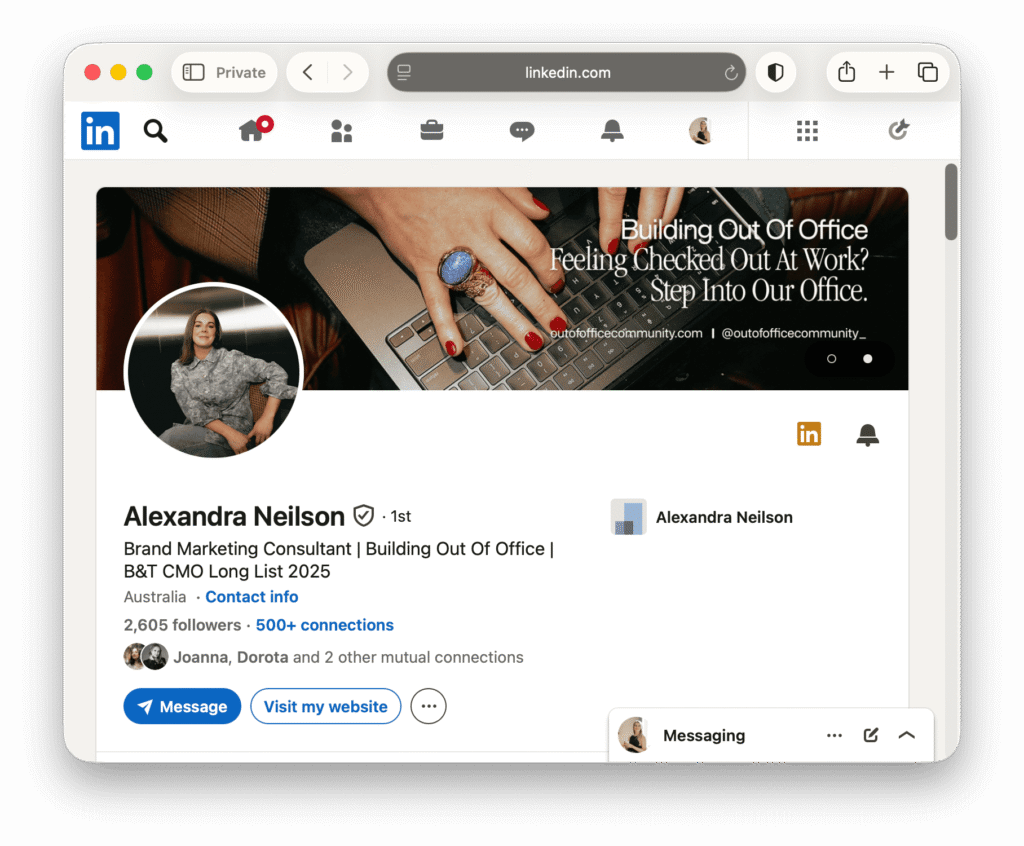
If you love helping people but don’t want to be limited by one-on-one sessions, a paid community or membership could be the right fit. Instead of working closely with one client at a time, you can support an entire group of people at once—giving them ongoing access to you, your resources, and each other.
That’s what makes communities different from coaching. Your members aren’t paying for a single call or a fixed program. They’re paying to stay connected to someone they trust as they grow in their careers or businesses. And because you’re showing up for the group instead of each person individually, you can welcome new members without adding more hours to your calendar.
Communities also bring in recurring revenue. Rather than starting from zero every month, you’ll have members who pay monthly or annually for as long as they find value in being there.
For example, you could launch:
- A private community for first-time managers
- A job search accountability group for career switchers
- A membership for freelance designers with monthly portfolio reviews
- A peer network for early-stage founders
The tradeoff? Communities need consistent energy to stay alive. If members stop getting value, they’ll cancel. So it’s worth planning how you’ll keep showing up for them before you launch.
How to Do It
- Start with the people already engaging with you. Look at who’s commenting on your posts and sliding into your DMs. What do they keep asking about? The questions that come up again and again are a good sign of what your community should center on.
- Get clear on what members get. Spell out exactly what’s included, whether that’s weekly Q&As, monthly workshops, a template library, or a private space to connect with each other. When expectations are clear, it’s easier for people to say yes (and stick around).
- Open founding member spots. Offer a limited number of spots at a lower price for your first members. It gives early supporters a reason to join now, and gives you real feedback before you open the doors to everyone.
- Sell memberships on Stan Store. Stan makes it easy to set up recurring payments and deliver members-only resources from the same link on your LinkedIn profile—so joining your community is just a click away.
#6: Newsletters
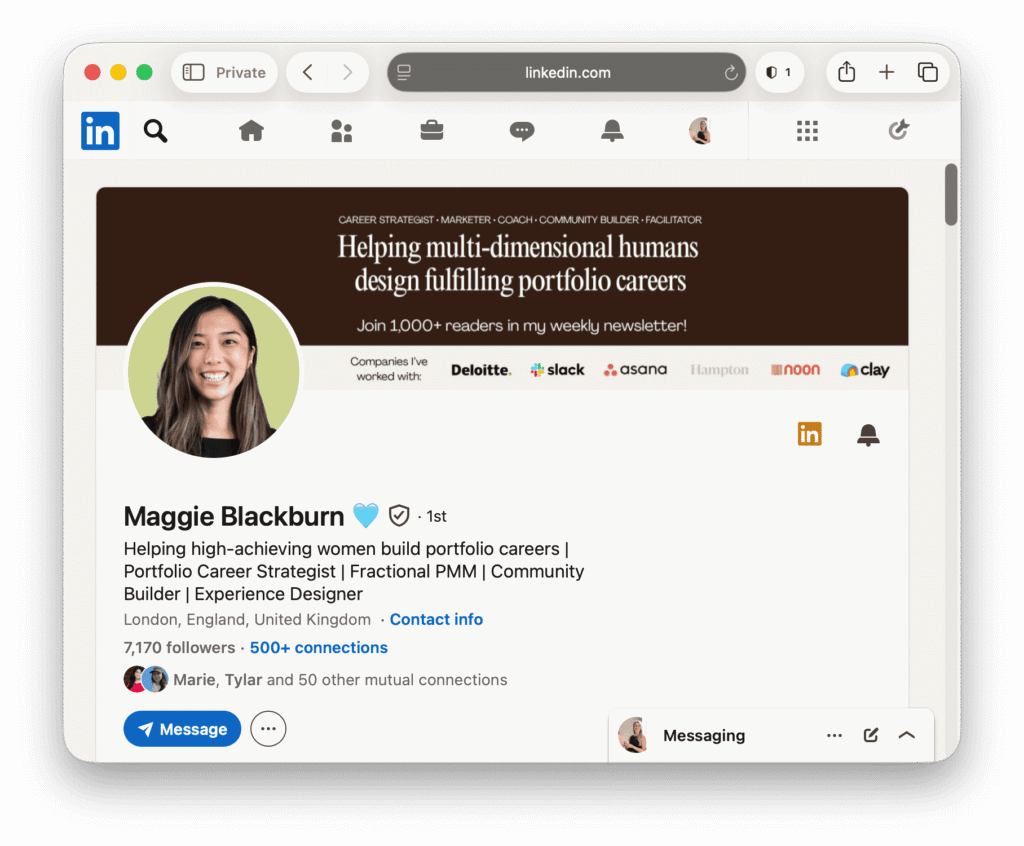
If you’re already writing on LinkedIn, a newsletter is one of the most natural ways to start earning from your content. Instead of selling a service or a product, you start earning from your writing.
LinkedIn has a newsletter feature that automatically notifies subscribers as soon as you publish, putting your writing in front of the people who’ve asked to hear from you. While LinkedIn newsletters are free, you can earn by including links throughout each one to your digital products, your Stan Store, or affiliate links. It’s an easy way to turn your content into income without charging readers.
You can also take it a step further with a paid newsletter on platforms like Substack. Your LinkedIn posts become the preview, and your newsletter is where readers go for the full story: the deeper breakdowns, complete frameworks, and behind-the-scenes insights that don’t fit in a single post.
For example, you could write:
- A weekly breakdown of how to build a nonlinear career
- In-depth salary negotiation guides for tech workers
- Hiring and leadership lessons for first-time founders
How to Do It
- Start with a free LinkedIn newsletter. Use it to build your readership and test which topics resonate most. Pay attention to what gets the most comments, shares, and new subscribers—that’s what your audience wants more of.
- Monetize with links from day one. Every newsletter is a chance to point readers toward your offers. Link to a related template, course, or coaching call on your Stan Store, or recommend tools you use through affiliate links.
- Launch a paid tier when you’re ready. Once you have a loyal readership, offer a paid version with insider content readers can’t get anywhere else. Keep your free content valuable, too. It’s what convinces people to upgrade.
- Use your LinkedIn posts as a preview. Share key insights in a post, then invite readers to your newsletter for the full version. Your posts keep bringing in new readers, and your newsletter gives them a reason to stay.
How to Optimize Your LinkedIn Profile for Sales
Most people treat their LinkedIn profile like a résumé. But if you want to make money, it needs to function like a landing page. Personal branding is crucial for attracting high-value clients or partnerships on LinkedIn, and your profile is where that brand lives.
Start with your headline. A weak headline reads: “Marketing Manager at XYZ Corp.” A strong headline reads: “I help B2B SaaS companies generate pipeline through LinkedIn content | Book a strategy call.” The difference is that the second tells a visitor exactly who you help, how, and what to do next. Clear service offerings and effective profile optimization are essential for attracting clients.
Next, optimize your banner image to reinforce your offer or social proof. Your “About” section should read like a short pitch—clarifying who you serve, the real problem you solve, proof you’ve done it before, and a call to action.
Finally, use your Featured section to pin your best content, your Stan Store link, and any lead magnets you offer (so you can grow your email list alongside your LinkedIn audience).

The Most Common Mistakes When Monetizing LinkedIn
You don’t have to be a LinkedIn expert to make substantial money on the platform. But you should avoid common mistakes that erode trust, kill conversions, and slow your growth.
Here are the ones we see LinkedIn Creators make most often (and what to do instead).
❌ Waiting until you feel “ready.” Maybe you’re worried you’re not enough of an expert yet or are nervous about your coworkers or manager seeing your posts—especially if you’re building something alongside a full-time job. But the confidence you’re after won’t come from waiting. It’ll come from doing. So start posting and learning as you go. Cringe is the cost of entry.
❌ Pitching before you’ve built trust. You know the message: someone accepts your connection request, and within minutes, there’s a sales pitch sitting in their inbox. It rarely works, and it can hurt your reputation fast. Instead, start real conversations. Comment on people’s posts, ask questions, and save your offer for when someone’s genuinely interested.
❌ Chasing reach instead of building an offer. It’s exciting when a post takes off, but 50,000 impressions won’t pay the bills if there’s nothing to buy once people land on your profile. A hundred followers who see a clear offer and engage with it are worth more than 10,000 like a dead-end post. Make sure the attention you earn has somewhere to go.
❌ Posting in bursts. A lot of people go all in on LinkedIn for a few weeks, then disappear for months. But both the algorithm and your audience reward consistency. Pick a posting rhythm you can realistically keep, even if that’s three times a week.
❌ Sounding like everyone else. When you’re short on time, it’s tempting to lean on AI or copy a viral post template. But when every post in someone’s feed starts to sound the same, the ones with real stories and specific opinions stand out. Your expertise and point of view are what people want to pay for, so make sure it comes through in your writing.
❌ Making it hard to buy. If people have to DM you for pricing, dig through the comments for a link, or bounce between a booking tool and a payment app, you’ll lose sales. Instead, keep everything in one place. With Stan Store, your offers, bookings, and payments all live behind a single link you can add to your profile and LinkedIn comments.
Your 30-Day LinkedIn Monetization Plan
The best part about monetizing LinkedIn? You can start before you’ve built a big network. What matters most is having a clear offer and consistently showing up for the people it’s meant for.
To help you put everything into practice, here’s a simple 30-day plan broken into three phases.
Week 1: Build Your Foundation
Start by optimizing your LinkedIn profile using the tips above. Your headline, About section, and Featured section should all point to what you offer and who it’s for.
Then, pick one offer that solves one specific problem for one specific group of people. (You can always add more later!) Once you know what you’re selling, set up your Stan Store so it’s ready to accept payments the moment someone’s interested—whether that’s a coaching package, a digital product, or a booking link for discovery calls.
Weeks 2–3: Get Visible
Now it’s time to show up. Aim to post three to five times a week, mixing carousels, text posts, and the occasional video. Every post should leave your audience with one clear takeaway and a soft nudge toward your offer.
Make time to engage with other Creators in your niche, too. Leave thoughtful comments, reply to everyone who comments on your posts, and send personalized DMs to people who fit your ideal client profile. It’s these small, consistent interactions that build trust on LinkedIn.
Week 4: Test Your Offer
Put your offer out into the world. Launch a low-ticket digital product, open three spots for a coaching beta, or book five discovery calls through targeted outreach.
Don’t worry about getting it perfect. The goal is to prove people want what you’re offering—and learn what to tweak before you grow it.
Turn Your Expertise Into Income on LinkedIn
LinkedIn used to be the place you went to find your next job. Now, it’s one of the best places to build a business of your own.
And the people making money on LinkedIn right now aren’t the ones with the biggest networks. They’re the ones their audience trusts—because they’ve spent time sharing what they know and made it easy for people to work with them.
So pick one revenue stream, commit to the next 30 days, and let your expertise do the talking. Your Stan Store will be ready when your audience is.
Get 14 days free on Stan Store and start building your next income stream on LinkedIn.
FAQ: LinkedIn Monetization
You can make money on LinkedIn by turning your expertise into something people can buy. The six most common revenue streams are freelancing and consulting, coaching, digital products, brand deals and sponsorships, communities and memberships, and newsletters. Start with one offer that solves a specific problem for a specific audience, then use a storefront like Stan Store to sell it from the link on your profile.
No. On LinkedIn, credibility matters more than follower count. Brands and buyers care more about an engaged, niche audience than a big one—which is why an expert with a few thousand trusted connections can be worth more than a generalist with hundreds of thousands of followers. What matters most is having a clear offer and showing up consistently for the people it’s meant for.
Yes. LinkedIn newsletters are free for readers, but you can earn by linking to your digital products, your Stan Store, or affiliate products in each one. You can also launch a paid newsletter on a platform like Substack. That way, your LinkedIn posts become the preview, and your paid newsletter is where readers go for deeper breakdowns and complete frameworks.
To land brand deals on LinkedIn, focus on a specific niche and post consistently about it. Build a simple media kit that shows your engagement and audience breakdown by role and industry. Then get in front of brands. Creators in the US and Canada can watch for an invitation to LinkedIn’s invite-only Creator Marketplace. Anyone can set up a profile on platforms like Passionfroot or send personalized pitches to brands whose tools they already use.