TL;DR
A lead magnet is a free, high-value resource offered in exchange for an email address—giving Creators an owned audience channel that survives algorithm changes. The most effective lead magnets are educational (guides, checklists), tools/templates (plug-and-play resources), or exclusive content. This guide covers lead magnet types, the psychology of conversion, a step-by-step creation workflow, promotion tactics, and mistakes to avoid.
Your following doesn’t guarantee growth. With one algorithm change, the audience you worked so hard to build can vanish overnight.
That’s why your email list matters. It’s the one channel you truly own—a direct line to the people who care most about your work. An email list gives you the power to sell, book clients, and keep growing no matter what happens on social media. And unlike a social feed, your email gets the same spot in the inbox as the biggest brands out there.
Lead magnets are one of the best ways to build that list. They turn casual followers into loyal subscribers and give your audience a reason to stick around.
This guide will show you how to create your first lead magnet step by step. You’ll learn what makes one work, how to design it for your audience, and the best ways to promote it.
Let’s dive in.
What’s a Lead Magnet?
A lead magnet is a free resource you offer in exchange for someone’s contact information—like their email address.
Chances are you’ve already signed up for one without even realizing it.
You might have downloaded a free recipe after filling out a form on a food blog, grabbed a fitness plan promising “7 days to stronger abs,” or entered your email to unlock a discount code while shopping online.
That’s a lead magnet. Creators use them to grow their audience, build community, and nurture future customers.
For example, Kristen Van Glise shares her expertise through a free resource on her Stan store. Her guide, The Healing Blueprint, serves as a lead magnet to attract new subscribers and grow her community.
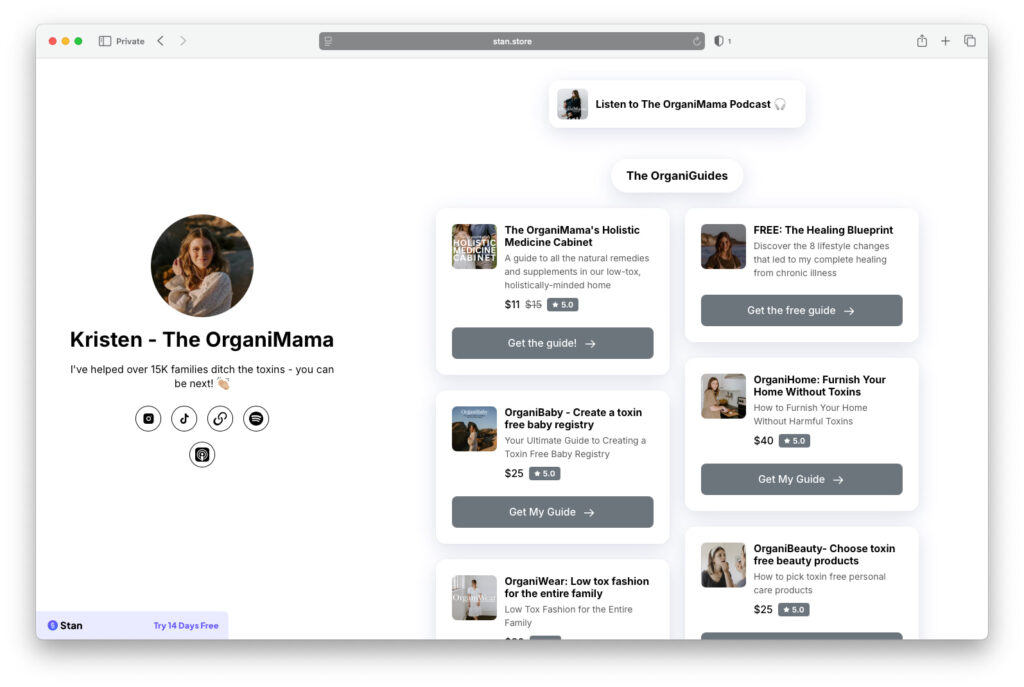
Instead of asking people to buy right away, Creators give their audience something valuable upfront. And once they have someone’s email address, they can gradually nurture them toward a sale by sharing even more free value and pointing them toward relevant paid offers.
Creators and businesses use lead magnets because they:
- Build trust with new audiences
- Grow email lists faster than content alone
- Reduce customer acquisition costs, especially when running ads
- Warm up leads for future offers
Effective lead magnets are typically tied to an offer (which you’ll introduce your subscribers to later). For instance, let’s say your paid offer is a course, coaching program, or digital download. Your lead magnet could provide a small sample of the same value those provide—like a course module, webinar, or checklist.
A great lead magnet can also set the stage for a low-ticket product offer that turns new subscribers into first-time customers.
Types of Lead Magnets
When beginners think of lead magnets, they usually picture ebooks—but that’s only one option. Lead magnets come in many forms, and the best choice depends on what your audience needs most.
This section breaks down the main types, simple examples, and how Creators can realistically use them for their niche.
1. Educational Lead Magnets
One of the top lead magnet types you’ll see are educational—free resources that teach your audience something they want to learn quickly. They work because people are always searching for shortcuts and step-by-step guidance.
Examples
- Step-by-step guides
- Free ebooks
- Webinars or video workshops
- Cheat sheets or how-to PDFs
What this looks like in practice
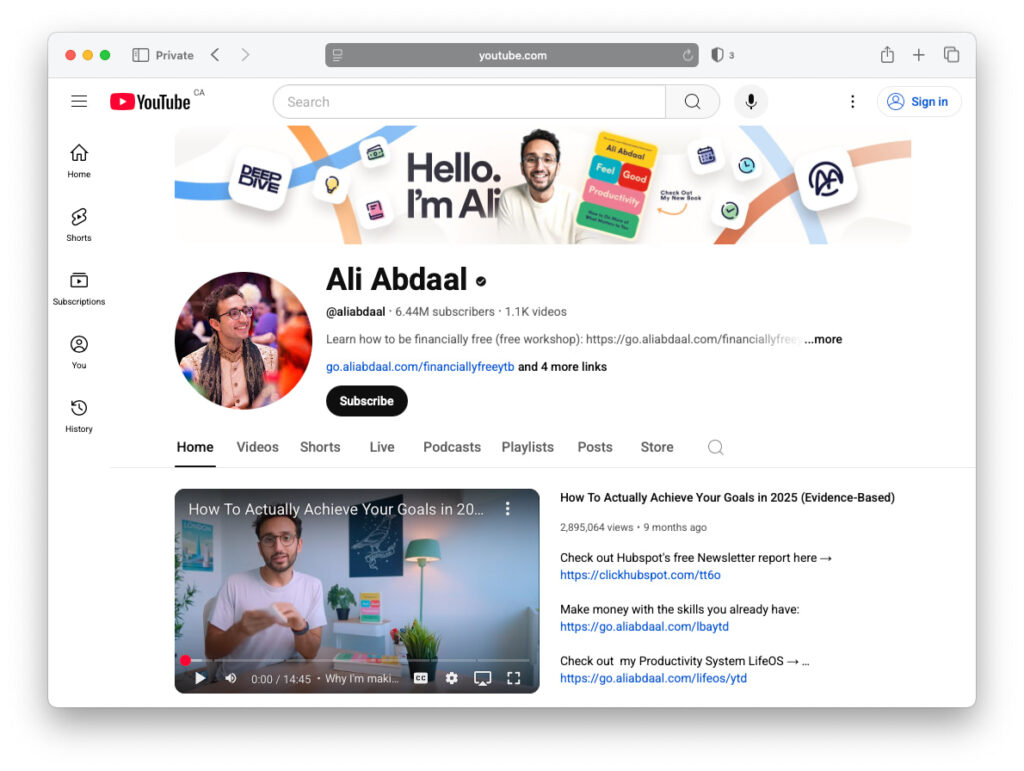
A productivity Creator like Ali Abdaal could offer a “Beginner’s Guide to Effective Note-Taking” as a downloadable PDF. It would give his audience a simple, structured resource they can start using right away, while positioning his paid productivity courses as the natural next step.
2. Tools & Templates
You can attract subscribers by creating plug-and-play resources your audience can use right away without starting from scratch. These are powerful because they save time and remove the guesswork (plus, they’re usually super easy to create).
Examples
- Spreadsheets (budget trackers/meal planners)
- Swipe files (email subject lines/caption banks)
- Design templates (social media posts/presentations)
- Calculators (ROI calculators/calorie trackers)
What this looks like in practice
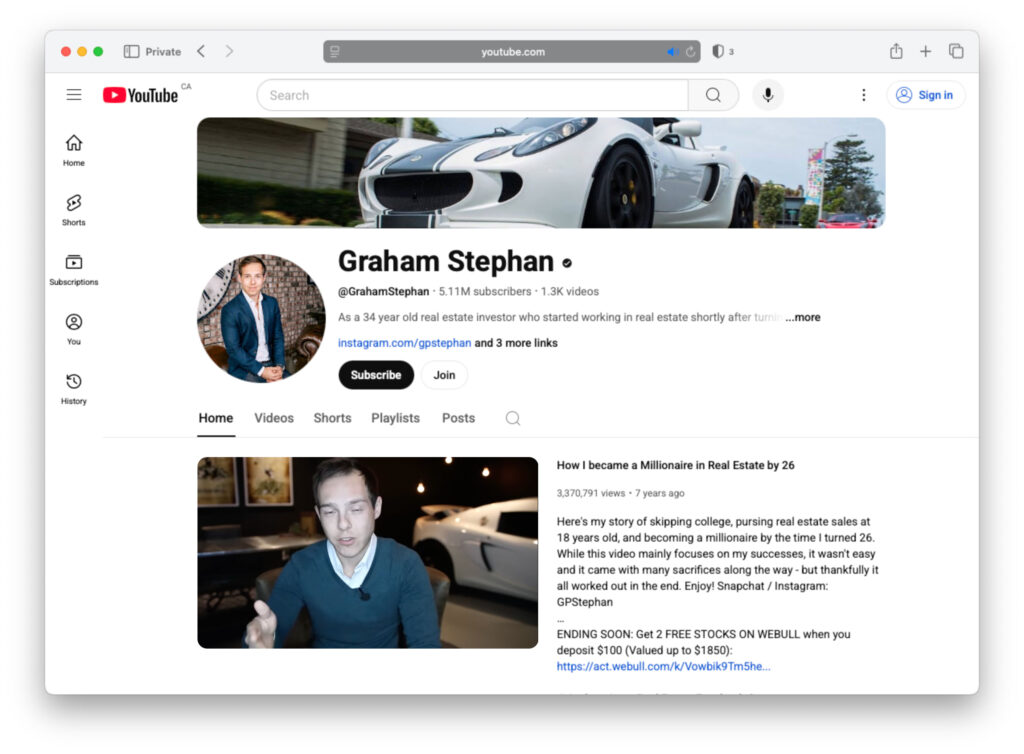
A finance creator like Graham Stephan could offer a “Monthly Budget Spreadsheet” as a lead magnet. His audience is already looking for simple ways to manage money, and a ready-to-use template delivers an immediate win. It also sets up his broader financial education products as the logical next step.
3. Interactive Lead Magnets
Interactive lead magnets are gaining popularity, because they invite your audience to actively participate AND they provide personalized value. People love getting personalized results, and the information they give you can help you curate the offers you share—making your nurture sequence feels less like a hard pitch and more like a genuine recommendation.
Examples
- Quizzes (Like “What’s Your Productivity Style?”)
- Self-assessments (Like fitness or skills scorecards)
- Free trials of apps or software
- Interactive calculators (Like mortgage, ROI, or calorie needs)
What this looks like in practice
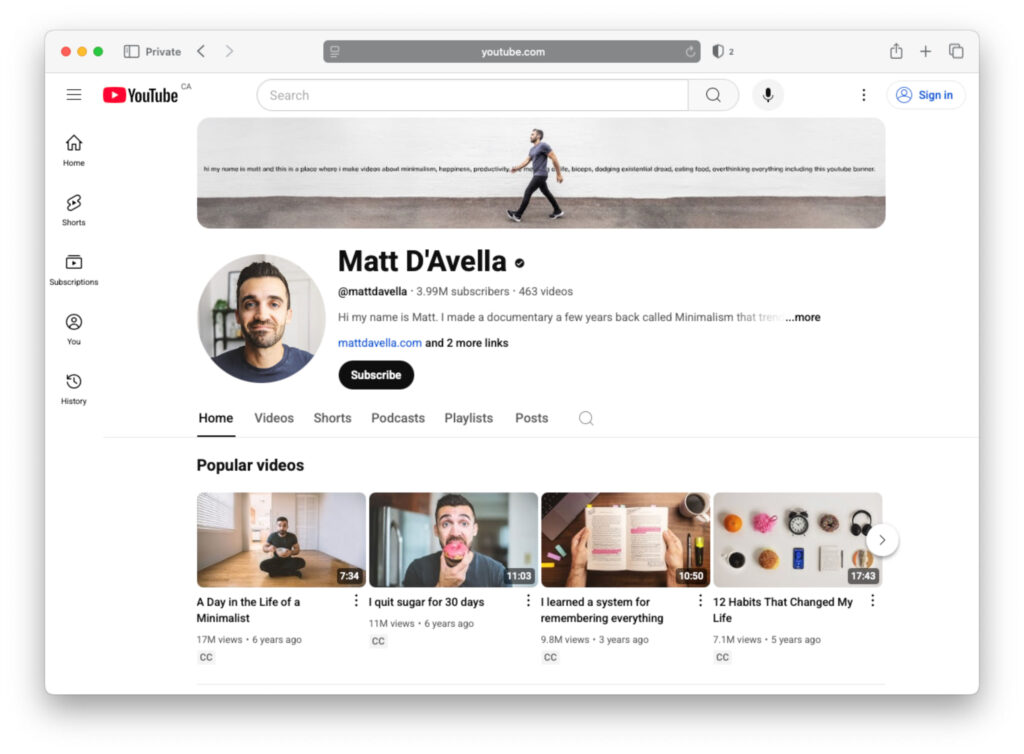
A wellness Creator like Matt D’Avella could use a “Minimalism Quiz” that helps people discover their clutter profile. The quiz gives instant feedback, sparks curiosity, and naturally points toward his content and paid programs on simplifying life.
4. Exclusive Access Lead Magnets
These lead magnets make people feel like insiders by giving them access to something that’s not available to the general public, such as a discount or gated community. They work because exclusivity tends to create demand and urgency.
Examples
- Discount codes or early-bird offers
- Private communities or groups
- Free trials with bonus features
- Behind-the-scenes content
What this looks like in practice
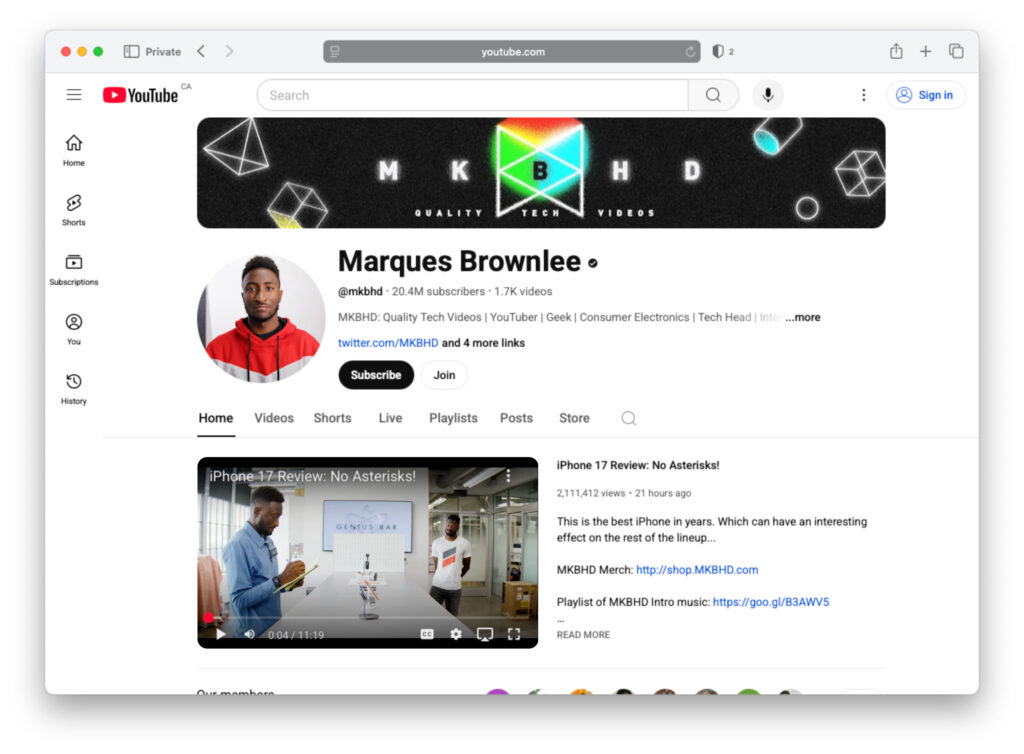
A YouTuber like MKBHD (Marques Brownlee) could offer exclusive behind-the-scenes content where subscribers get a closer look at his studio setup or early access to gear reviews. His audience—who’s already passionate about tech—would sign up to feel part of his inner circle, while subtly connecting back to his broader brand partnerships and merch.
Why Lead Magnets Work (The Psychology Behind Them)
At first glance, lead magnets might seem too simple. But there’s solid psychology behind why they work so well.
Here are four key reasons:
1. The Reciprocity Principle
When someone gets something valuable for free, they naturally feel a pull to give something back. In this case, it’s their email address. And later, it could be their attention when you follow up.
Think about the last time you downloaded a free resource that genuinely helped you. That experience likely made the brand feel more credible and more worth your time.
2. Quick Wins Feel Irresistible
The most effective lead magnets give people a shortcut. A single-page checklist that saves hours is far more appealing than a 100-page ebook that feels like homework. Beginners especially are drawn to resources that solve a small but nagging problem right away.
3. Perceived Value Beats Actual Cost
A PDF that costs you nothing to create can feel priceless to someone who needs it at the right moment. People aren’t measuring what it cost you, but how much it helps them. That’s why even simple tools like templates or swipe files can convert like crazy.
4. Urgency and Exclusivity
Humans hate missing out. A lead magnet framed as “limited-time” or “for the first 500 people only” makes signups skyrocket because scarcity boosts perceived value. Even if it’s digital and infinitely available, urgency gets people taking swift action.
The Anatomy of a High-Converting Lead Magnet
Not every freebie works. Some barely attract subscribers—or at least, not the kind of audience who will truly buy from you—while others bring in thousands of potential customers. The difference between an irresistible lead magnet and a forgettable one comes down to a few key traits.
Here’s what every high-converting lead magnet has in common:
1. Solves One Specific Problem
The best lead magnets focus on a single, pressing issue your audience cares about.
For example:
- A checklist to set up a YouTube channel in 30 minutes
- A spreadsheet to track daily expenses
- A 7-day meal plan for beginners
The more focused your lead magnet, the easier it is for someone to see the value and subscribe.
2. Quick to Consume
People don’t want homework. They want a quick win. These formats make it easy to deliver value in minutes, not hours:
- A one-page PDF instead of a 100-page ebook
- A short quiz instead of a two-hour workshop
- A template they can copy in one click
The easier it is to use, the more likely you’ll be able to convert followers into subscribers (and eventually, customers).

3. Delivers an Immediate Win
A good lead magnet goes beyond providing basic knowledge and delivers results right away. Consider these examples:
- A photographer sharing a “Top 5 Lightroom Presets” pack so the audience sees their photos improve instantly
- A fitness Creator offering a “10-Minute Morning Stretch Routine” so the audience feels better on day one
- A social media strategist giving a “30-Day Content Calendar” that fills an immediate planning gap
That instant transformation builds trust and momentum.
4. Relevant to Your Paid Offer
Downloads don’t mean much if they’re not driving leads to your paid offers. A well-aligned lead magnet acts as a stepping stone, like:
- A free “Daily Planner Template” that points to a productivity course
- A “Business Idea Validation Checklist” that connects directly to an entrepreneurship program
- A “Sample Coaching Session” that naturally leads into a full coaching package
These kinds of lead magnets guide subscribers naturally toward your paid solution.
5. Easy to Share
The best lead magnets spread beyond the first download. The more inherently shareable you can make yours, the more organic traffic it’s likely to get.
For instance, you can encourage sharing by offering:
- Templates people can pass along to friends
- Quizzes that prompt users to share their results
- Challenges that spark community participation
When your audience feels excited to share, your lead magnet becomes its own marketing engine.
How to Create Your First Lead Magnet
Now that you know what makes a great lead magnet, let’s dig into how you can actually create one.
Don’t worry—the process doesn’t have to overwhelming or time consuming. With these seven simple steps, you can move from idea to launch in no time.
1. Define Your Audience
First, you need to decide who you’re creating your lead magnet for. A lead magnet that tries to appeal to everyone usually ends up connecting with no one.
Think of it this way: If you’re a productivity Creator, targeting busy professionals is too broad. Instead, go after a specific audience—like junior marketers who struggle to focus while working from home. That clarity makes it much easier to design something that’s genuinely valuable and speaks to their pain points.
Not sure where to start? Here are a few questions to help you narrow things down:
- Who do I want to attract right now (beginners, intermediates, or advanced learners)?
- What problem do they keep running into that slows them down?
- How does solving this problem tie into the product or service I eventually want to sell?
For example, a fitness Creator could target new moms wanting to rebuild strength safely. That clarity could lead to a free 5 Gentle Core Exercises guide, which speaks directly to their needs and aligns with a 6-month paid coaching program.
2. Identify Their #1 Pain Point or Desire
Once you’ve defined your audience, the next step is to zoom in on a single problem they care most about fixing right now. A lead magnet that attempts to solve five different problems usually ends up feeling diluted or overwhelming, so try to stick to one.
Think about what keeps your audience up at night or what they complain about most often.
For a travel vlogger, it could be how to find the cheapest flights without spending hours searching. For a cooking Creator, it might be wanting healthy meals that don’t take forever to prepare. For a language tutor, it could be struggling to remember new vocabulary words.
Here’s a quick way to test if you’ve found the right pain point:
- Is it urgent? They want it solved today, not someday.
- Is it frustrating? They’ve tried other solutions and failed.
- Is it simple to solve with one resource? If it needs a whole book, it’s too big.
For instance, a travel vlogger could turn the flight-search struggle into a Cheapest Flights Cheat Sheet with three sites or tools they personally use. It’s small, actionable, and directly tied to the vlogger’s content on making travel easier.
3. Pick the Right Format
Once you know your target audience and their biggest pain point, you need to figure out how to package the solution. The format matters just as much as the content, because the wrong format can make even a great idea flop.
The best approach is to match the format to what your audience naturally consumes and how quickly they want the result:
- If the pain point is complex but needs structure, a guide, mini-course, or workbook works best.
- If the pain point is time-related, go for a quick checklist, cheat sheet, or template.
- If the pain point is practical and repeatable, a swipe file or spreadsheet is perfect.
For example, a photography YouTuber could create a Preset Pack for Beginners as a lead magnet. Their audience doesn’t want to read a long manual on photo editing. They want an easy, plug-and-play tool that instantly makes their photos look better. The format matches the need.
4. Outline the Content
With your format chosen, the next step is to map out what goes inside your lead magnet. This doesn’t need to be complicated. In fact, the simpler the outline, the more effective the end result will be.
Start by asking: What’s the shortest path to solving this problem?
Then, structure your lead magnet around that path.
A good outline usually has three parts:
- Introduction or setup: A quick line or two explaining what the resource is and how to use it.
- Core content: The actual steps, tips, or template that delivers the win.
- Next step: A gentle nudge toward what else you offer (without turning it into a sales pitch).
For example, a music producer who teaches beat-making could create a Beginner’s Drum Kit as a downloadable file. The outline might look like this:
- Intro: Here are the drum sounds I use most often in my tutorials.
- Core: The actual drum kit, with a short guide on how to load it into popular software.
- Next step: A note saying, “Want to learn how to build full beats with these sounds? Check out my beginner tutorials.”
Outlining your lead magnet like this keeps it focused, speeds up creation, and makes it easy for your audience to follow.
5. Design and Branding Tips
Even the best content can fall flat if it looks sloppy. A polished design makes your lead magnet feel valuable—and your brand feel undeniably recognizable. You don’t need to be a designer to make something that looks nice—you just need to follow basic design principles.
Here are some best practices to keep in mind:
- Clean layout: Use plenty of white space so your lead magnet doesn’t feel crowded.
- Readable fonts: Stick with simple, easy-to-read typefaces.
- Consistent colors: Match the look to your brand or the style of your content.
- Simple visuals: Add icons, screenshots, or graphics that support the content, not distract from it.
You can use basic design tools and templates, like Canva, to design your freebie quickly without advanced skills.
For example, a cooking creator could put together a “5 Easy Weeknight Recipes” PDF with a simple template, turning it into a professional-looking mini-cookbook in under an hour.
6. Deliver Your Lead Magnet
Creating a lead magnet is only half the job. You also need to make sure your audience receives it smoothly. Nothing kills momentum faster than a clunky download process or a lead magnet that never hits their inbox.
The best delivery feels instant and seamless—one where someone signs up and gets the resources in seconds (in their inbox or on their screen). That near-instant gratification builds trust and makes them more likely to open your future emails.
You can use a few different delivery options, like:
- A direct download link after signup
- An automated email with the file attached or linked
- A private access page where the resource is hosted
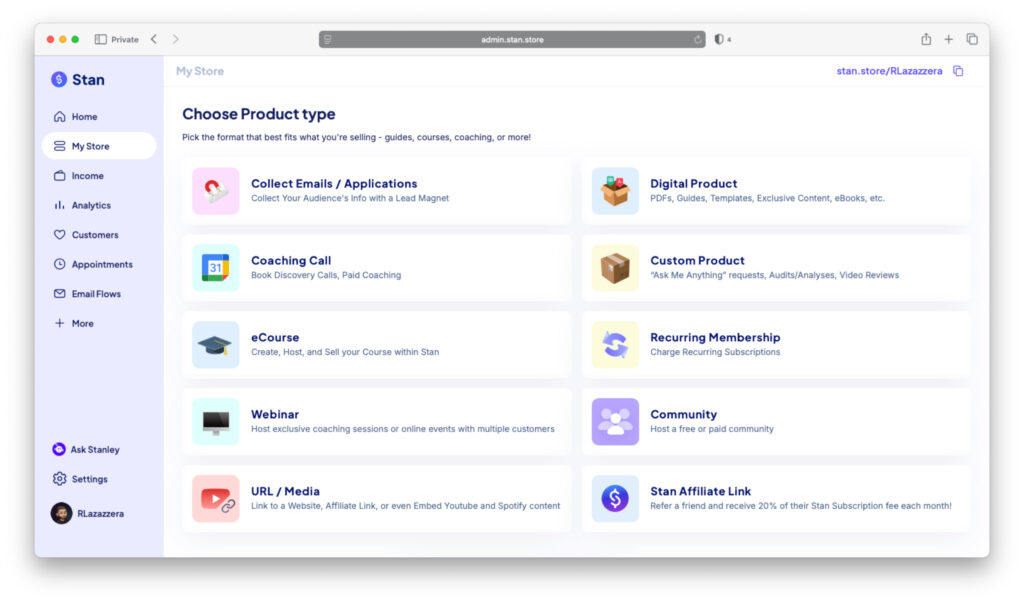
If you’re a Creator, the easiest way to grow your email list and deliver your lead magnet on autopilot is with Stan Store. Instead of juggling multiple tools, you can set up a lead magnet directly inside your Stan Store.
Your Stan Store sits right inside your link in bio. And when a follower signs up, Stan automatically handles the delivery—whether it’s a PDF, video, or template. It also tags the subscriber, so it’s easier to see which lead magnet they came from and nurture them with future content or offers.
7. Test and Refine
Launching your lead magnet is the starting point—not the finish line. For the best results, you’ll want to watch your data closely and iterate based on what works (or what doesn’t).
And don’t just look at the lead magnet itself. Look at the language you’re using on your opt-in form, your emails, and your Stan Store. Is it driving downloads?
You’ll also want to iterate on the content you use to drive traffic to your freebie. Use a tool like Stanley to come up with fresh content ideas you can use to attract new subscribers and turn those ideas into top-performing posts.
Start with the basics:
- Conversion rate: How many people who see your sign up form actually opt in?
- Open rate: Are people opening the email that delivers your lead magnet?
- Engagement: Do subscribers click, download, or use what you sent them?
If your numbers are low, try making small changes like:
- Using a more specific or urgent title.
- Simplifying the design or reducing the steps needed to get the resource.
- Testing new lead magnet formats (a checklist instead of a long guide, a template instead of an ebook).
For example, a fashion Creator might notice their Capsule Wardrobe Guide gets lots of downloads but very few email opens. By swapping out the subject line and preview text with something clear and compelling or adding a simple line like “Just sent this to your inbox! Make sure to check your junk folder if you can’t find it,” they could make the magnet easier to find, leading to higher open rates and engagement.
Best Tools to Design and Create Lead Magnets
You don’t need to have a big budget or use complex software to create a solid lead magnet. The right tools make it easy to design, package, and share resources with your audience.
To help you get started, we’ve rounded up the best options to help you bring your lead magnet ideas to life.

1. Design Tools
A polished design makes even the simplest lead magnet feel valuable. The right tools let you create professional-looking guides, checklists, and workbooks without needing design experience.
For designs or images, try these tools:
- Canva: Create ebooks, guides, and checklists quickly with drag-and-drop templates. You can customize colors to match your brand and export a clean PDF or image in minutes.
- Visme: Turn stats or research into sleek charts, infographics, and reports for data-heavy resources.
- Adobe Express: Build quick one-pagers or branded workbooks with more styling control than Canva.
2. Writing and Document Tools
Some of the most effective lead magnets are simple and text-based—like a short guide, an ebook, or a resource list. Writing tools make it easy to draft, format, and export these into shareable files.
For writing or text-heavy resources, try these tools:
- Google Docs: Draft, collaborate, and export as a PDF. Perfect for simple guides or resource lists.
- Designrr: Turn blog posts, articles, or other content into polished ebooks or lead magnets with easy drag-and-drop design features.
- Microsoft Word: Format professional-looking documents with built-in templates and styles.
3. Template and Database Tools
Templates and databases make excellent lead magnets because people can copy them into their own workspace and start using them right away.
For templates or interactive databases, try these tools:
- Notion: Share planners, dashboards, and trackers your audience can duplicate in one click.
- Airtable: Provide structured databases like content calendars, lightweight CRMs, or resource libraries with shareable view links.
- Trello: Build visual boards for planners, workflows, or checklists that your audience can copy and adapt to their own needs.
4. Interactive Quiz and Form Builders
Quizzes and forms make excellent lead magnets because they feel personalized. Instead of just downloading a file, people answer questions and get tailored results, which makes them more likely to engage.
For quizzes or forms, try these tools:
- Typeform: Build personality quizzes, assessments, or feedback forms with a clean, conversational style that’s fun to complete.
- Tally: Create lightweight forms with unlimited responses and simple integrations. This tool is ideal for audience surveys or quick scorecard lead magnets.
- Google Forms: Set up basic quizzes or assessments with instant results and spreadsheet integration. It’s a beginner-friendly and reliable.
5. Spreadsheet and Calculator Tools
Spreadsheets and calculators make excellent lead magnets because they’re practical, hands-on, and easy to customize. Audiences use them to track progress, test ideas, or run quick calculations without building a tool from scratch.
For calculators or spreadsheets, try these tools:
- Google Sheets: Free and cloud-based. Perfect for budget trackers, goal-setting spreadsheets, or simple calculators your audience can duplicate.
- Microsoft Excel: Best for advanced calculators with formulas and macros. It’s a strong choice if your audience needs detailed functionality.
- Lovable: Turn plain-language prompts into lightweight calculators or interactive tools. If you want something more dynamic than a spreadsheet but without coding, this is a great option.
6. Visual and Creative Tools
Not every lead magnet has to be a document or spreadsheet. Video and design tools let you create engaging resources like tutorials, walkthroughs, or creative templates.
For video or visual resources, try these tools:
- Loom: Record quick screen shares or face-to-camera videos. Perfect for short tutorials or how-to”walkthroughs your audience can watch anytime.
- Descript: Edit audio and video with ease. Great for turning recordings into mini trainings or audio guides as lead magnets.
- Figma: Ideal for design-savvy Creators. Share UI kits, design templates, or creative assets that people can duplicate and use.
Lead Magnet Examples from Stan Creators
Lead magnets are essential for building an audience you own and future-proofing your Creator business. Every day, Stan Creators use them to grow their audiences, build trust, and sell online.
Here are 10 examples showing how a simple free resource can attract the right people and tie back to a paid offer.
1. Benny | Breakup Coach
Lead magnet: Get Your Ex Back Guide
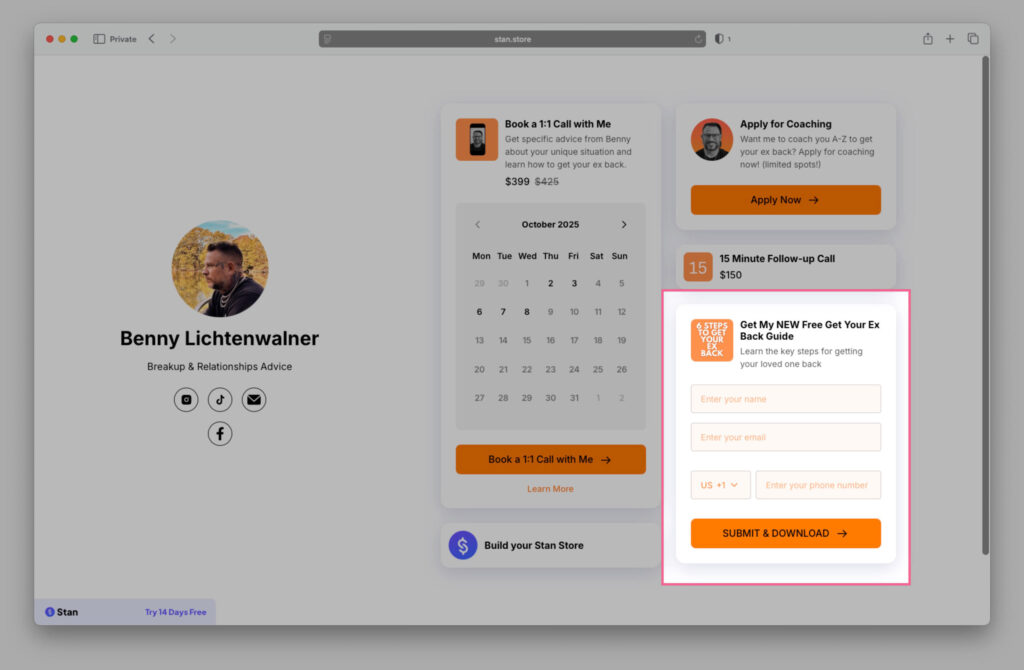
Benny offers relationship and breakup advice. His free guide is designed to solve the most urgent and emotional problem his audience faces: how to win back a partner after a breakup.
Why it works
- It addresses a highly specific pain point (wanting your ex back).
- It offers immediate hope and direction at a time when people are actively searching for answers.
- It aligns perfectly with his paid offers, like 1:1 calls and coaching.
This is a textbook example of using a lead magnet to capture attention during a high-emotion moment and seamlessly guide people toward deeper, paid support.
2. Amy | Mental Health Coach
Lead magnet: Release Your Anxiety Guide
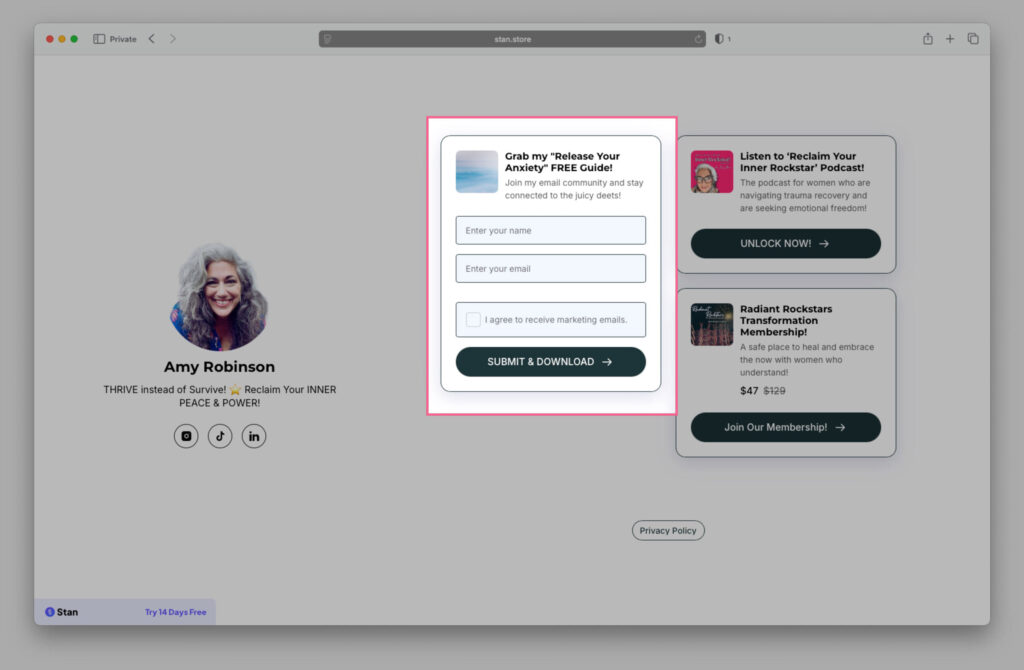
Amy helps women navigate trauma recovery and reclaim their peace. Her free guide addresses one of her audience’s most pressing challenges: dealing with anxiety. By offering practical steps and reassurance, she builds trust with people in a vulnerable place.
Why it works
- It promises relief from a highly emotional, everyday struggle.
- The language (“Release Your Anxiety”) is clear, empathetic, and solution-focused.
- It connects naturally to her paid membership program and podcast.
Instead of just collecting email addresses, this lead magnet positions her as a trusted guide and begins a relationship centered on ongoing support and transformation.
3. Chanelle | Social Media Coach
Lead magnet: 31 Days of Free Content Ideas & Prompts
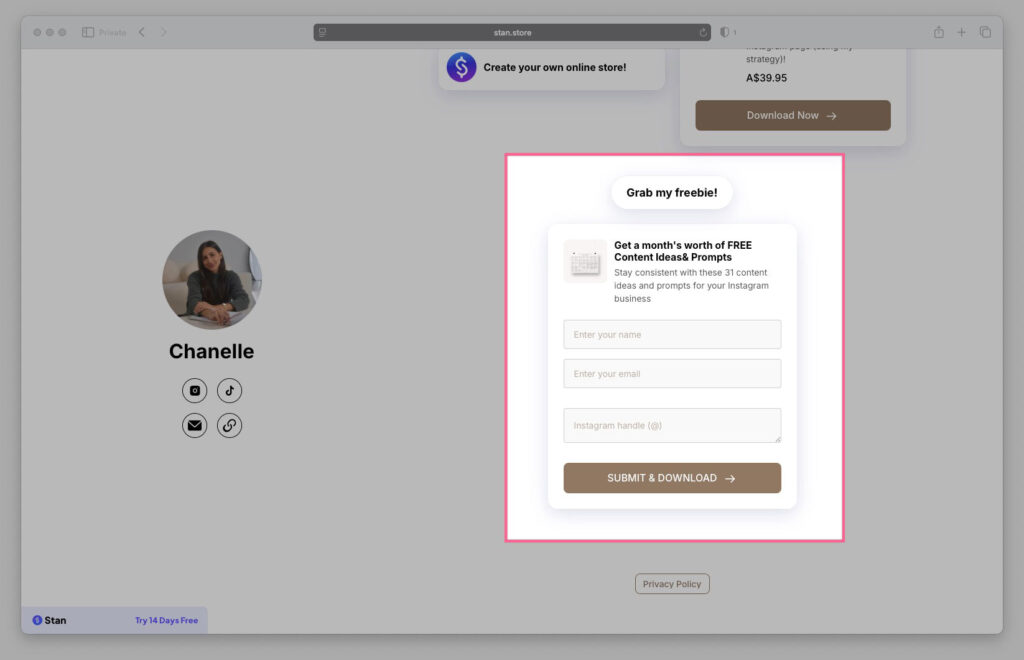
Chanelle specializes in Instagram growth and coaching. Her freebie gives her audience an entire month of content prompts, helping them stay consistent and avoid the dreaded “what do I post today?” problem.
Why it works
- It tackles one of the biggest pain points for small business owners on Instagram: running out of ideas.
- The promise is clear and measurable: a full 31 days of content ideas.
- It aligns directly with her paid offer (The Instagram for Growth Guide) by first solving the content creation hurdle and then offering deeper strategy support.
This kind of practical, ready-to-use resource is ideal for creators teaching social media because it gives an instant win and paves the way for clients to seek more personalized coaching.
4. Stefano | Social Media Consultant
Lead magnet: How to Create Sales Funnels on Autopilot
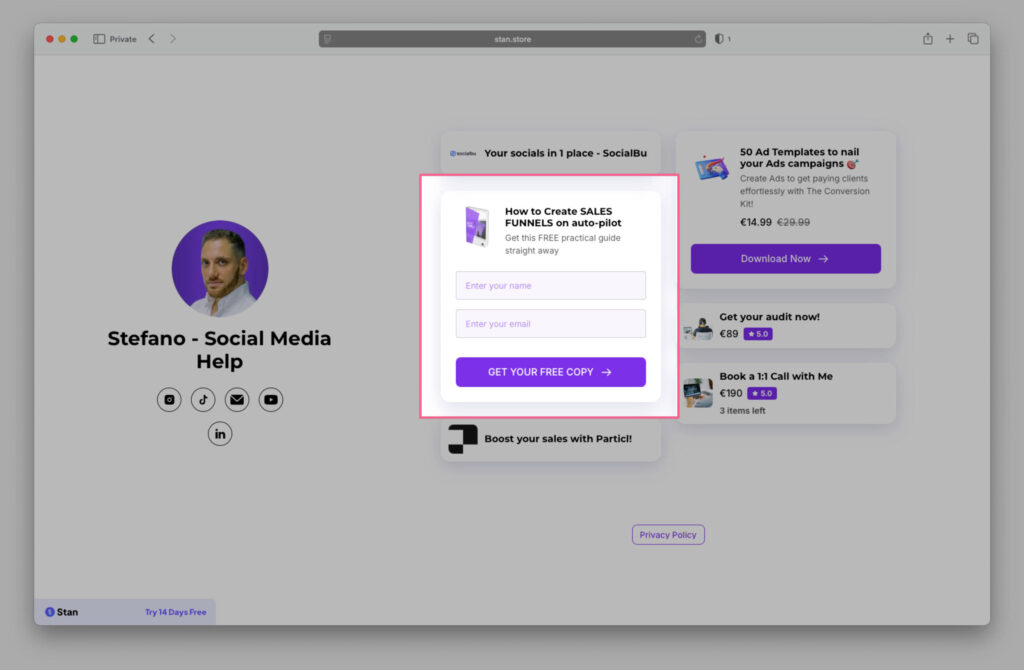
Stefano helps businesses optimize their social media presence and convert followers into paying clients. His free guide simplifies one of the biggest challenges for small business owners: building sales funnels.
Why it works
- It solves a business-critical problem: turning attention into revenue.
- The title highlights automation, appealing to busy entrepreneurs who want results without extra work.
- It ties directly into his paid offers—ad templates, audits, and 1:1 coaching
By offering a practical, strategy-driven resource, this lead magnet attracts serious business owners who are already thinking about scaling, the ideal audience for his services.
5. Canov | Instagram Growth Coach
Lead magnet: 100,000 Followers Guide
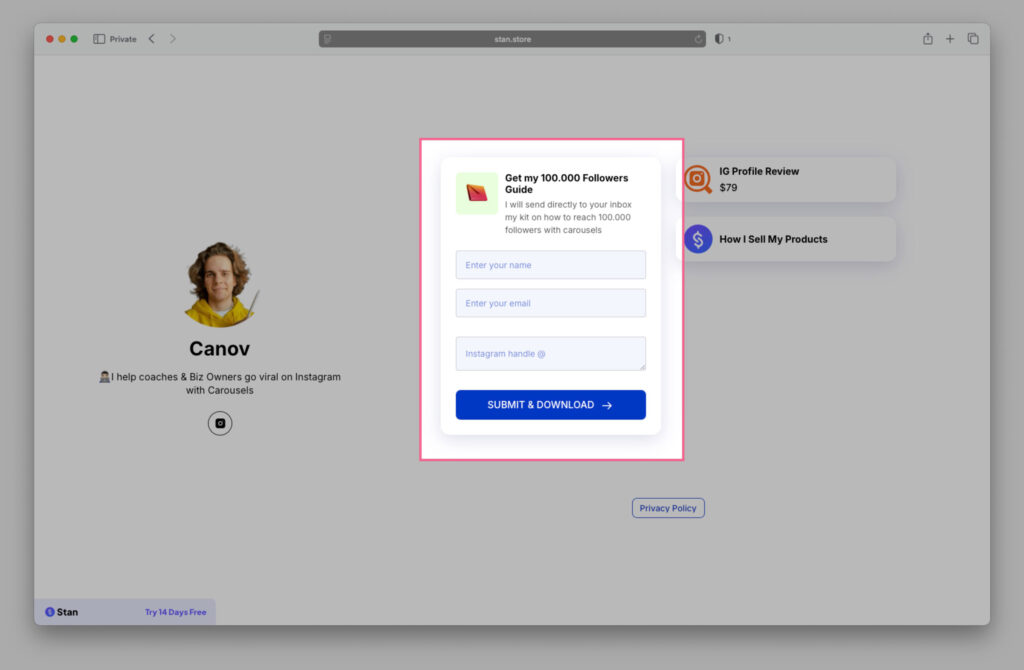
Canov helps coaches and business owners grow on Instagram using carousels. His free guide promises to reveal the exact strategies he used to hit 100,000 followers.
Why it works
- The headline is highly specific (“Get my 100,000 followers guide”).
- It speaks directly to his target audience of coaches and business owners who want to scale their Instagram presence.
- It positions him as an authority who has already achieved what his audience wants, increasing trust in his paid offers.
The clear promise and built-in social proof make this lead magnet a powerful list-builder for anyone teaching growth on social platforms.
6. Gannon | Automation Strategist
Lead magnet: Free Automation Workshop + Free Manychat Template
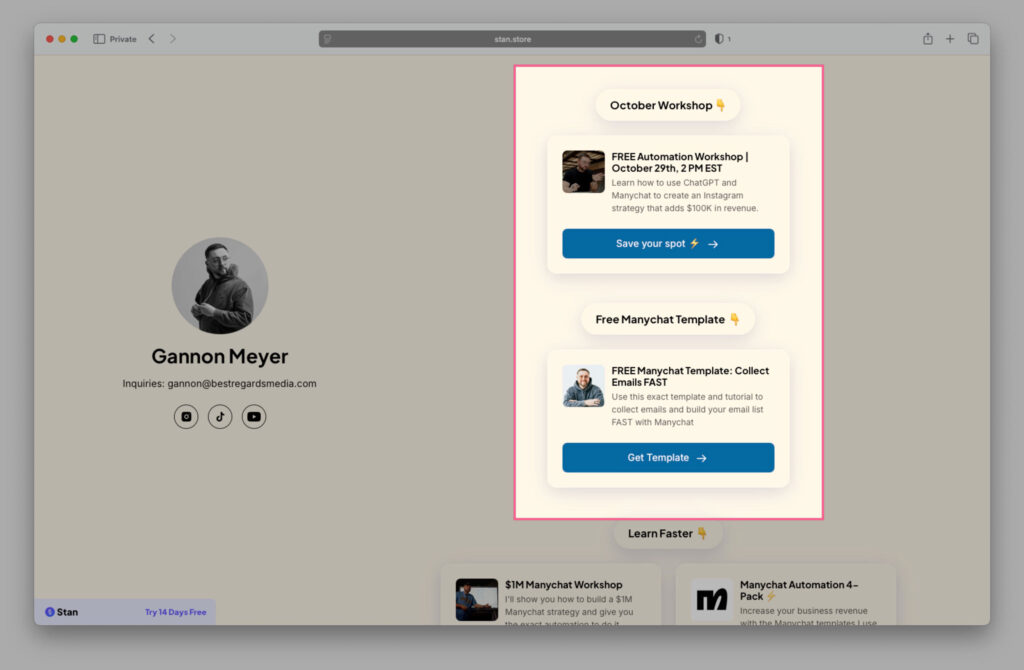
Gannon helps businesses scale with tools like ChatGPT and Manychat. His lead magnets combine a live workshop with a ready-to-use template—both of which are designed to attract entrepreneurs who want faster results with automation.
Why it works
- The workshop promises a high-value outcome—an Instagram strategy that could generate $100K in revenue—and the live format builds urgency and exclusivity.
- The Manychat template delivers an immediate, plug-and-play solution for collecting emails, appealing to business owners who want quick results.
- Both freebies align directly with his expertise in automation, naturally leading into consulting or done-for-you services.
This combination shows how Creators can use both live and static resources to capture different segments of their audience.
7. Monty | Instagram Strategist
Lead magnet: Negative Hook Cheat Sheet
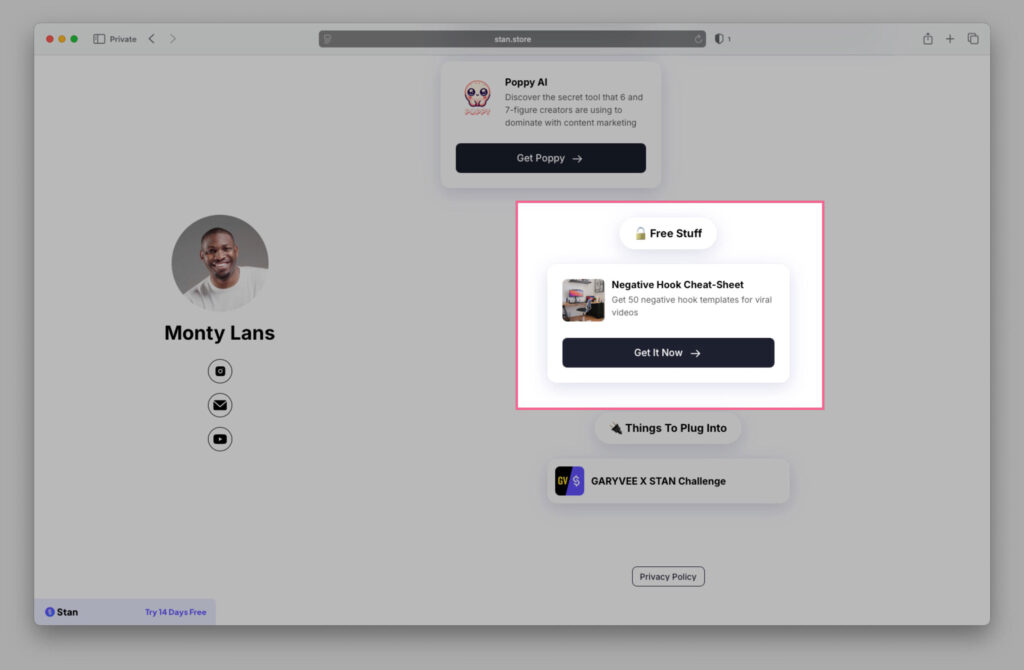
Monty helps coaches, entrepreneurs, and Creators grow on Instagram with viral reels strategies. His free cheat sheet delivers 50 proven hook templates designed to grab attention and make videos go viral.

Why it works
- It showcases his authority by giving away a resource based on the same hooks that built his 150k+ Instagram following.
- The phrase “cheat sheet” makes it feel quick, simple, and actionable.
- It ties neatly into his broader offers, such as monetization platforms, automation tools, and video marketing services.
This is a strong example of how a tightly focused resource (just hooks) can deliver outsized value, attract the right Creators, and funnel them into higher-ticket offers.
8. Stone | Social Media Growth Coach
Lead magnet: Proven 4-Step Guide to Grow & Monetize
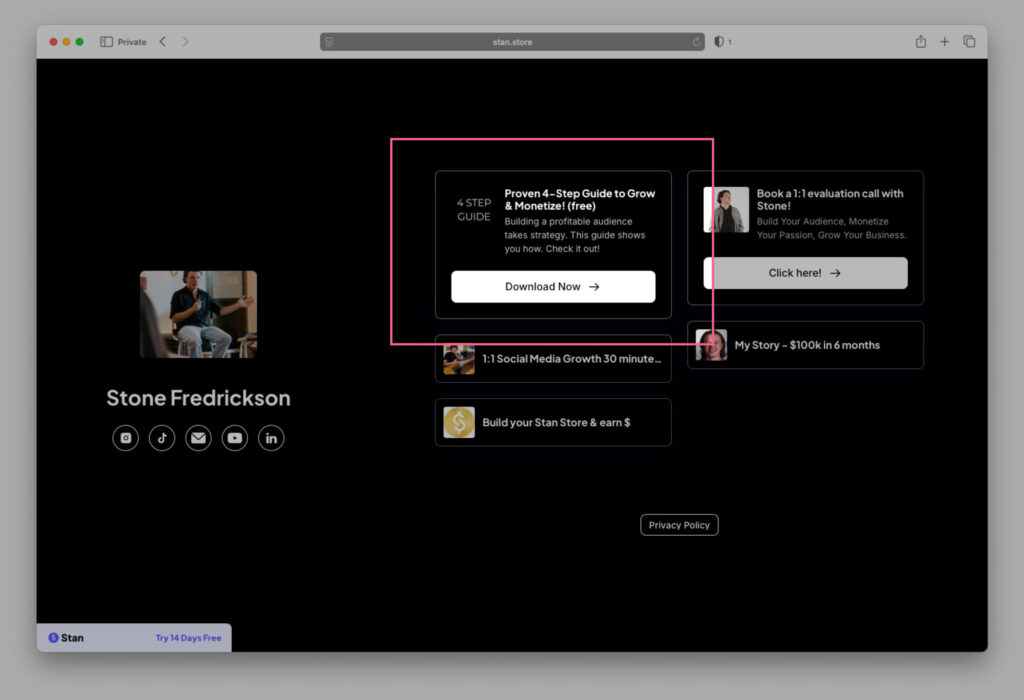
Stone helps people build audiences and turn them into income. His free guide lays out a straightforward four-step framework, showing beginners exactly how to start growing and monetizing.
Why it works
- The promise is clear: not just growth, but monetization—the end goal most Creators care about.
- Breaking it into four steps makes it easy to digest, even for beginners.
- It builds authority by giving away a proven system upfront, which naturally leads into his paid coaching sessions and evaluation calls.
This kind of structured framework works especially well because it gives subscribers both a roadmap and confidence that they’re learning from someone who has already done it.
9. Alex | Travel Creator
Lead magnet: 100 Bucket List Things to Do in Australia
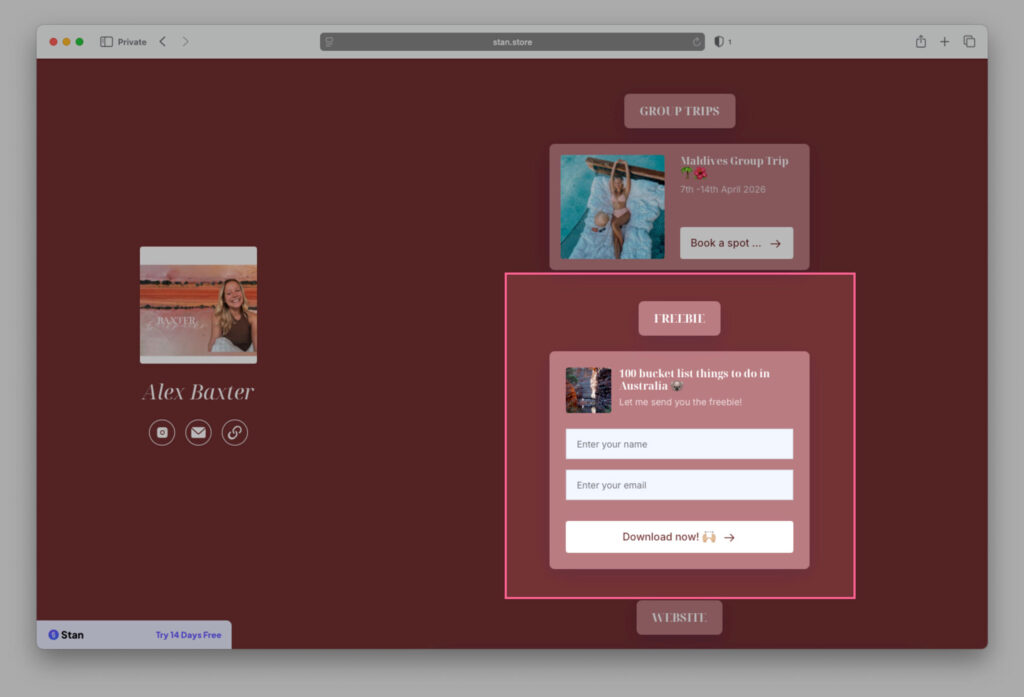
Alex inspires her audience to pursue adventure and travel experiences. Her freebie is a bucket list of must-do activities in Australia—a perfect resource for travelers and explorers looking for inspiration.
Why it works
- It solves a common travel pain point by showing people what to do beyond the obvious tourist spots.
- The bucket list angle makes it feel fun, shareable, and aspirational, encouraging subscribers to keep it handy.
- It connects to her paid offers, like her group trips.
This kind of location-specific freebie is smart for travel Creators because it attracts a highly targeted audience already dreaming about or planning trips to that destination.
10. Brienne | Instagram Growth Coach
Lead magnet: Free Instagram Bio Bootcamp
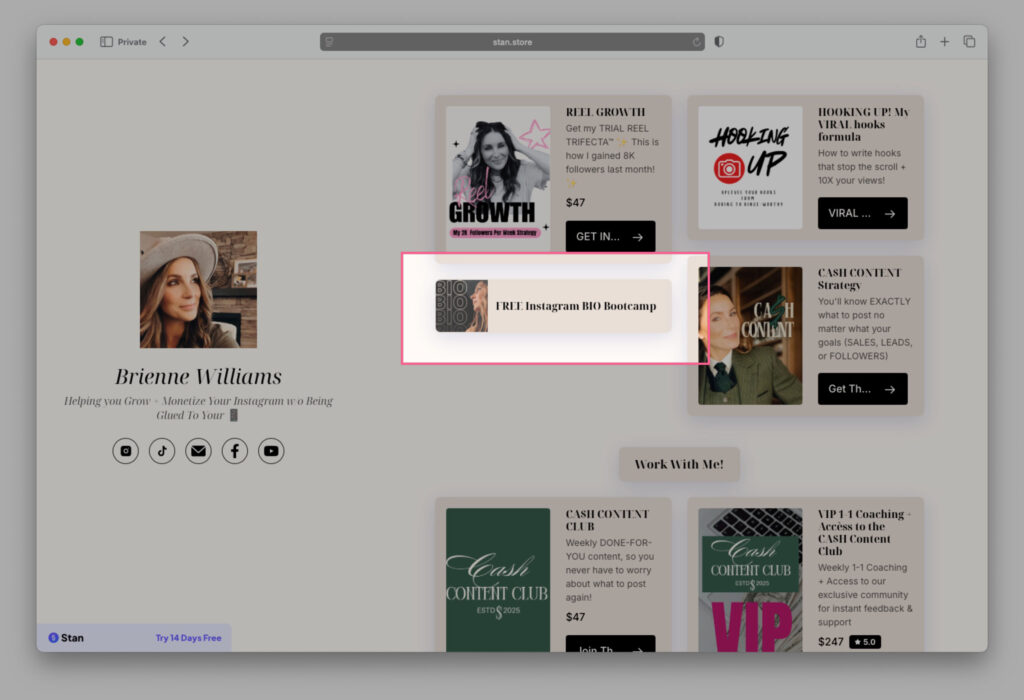
Brienne teaches people how to grow and monetize their Instagram without burning out. Her free bootcamp zeroes in on one of the most overlooked but important parts of Instagram growth: writing a bio that converts profile visits into followers.
Why it works
- It solves a very specific, high-impact problem: optimizing the Instagram bio for growth.
- The word “bootcamp” makes it feel hands-on and results-driven.
- It naturally feeds into her higher-ticket content strategy products and memberships by first proving she can deliver quick wins.
By choosing such a targeted angle, she ensures the people signing up are serious about Instagram growth and more likely to invest in advanced training.
How to Promote Your Lead Magnet
Even the best lead magnet won’t grow your audience if no one sees it. Many beginners create something useful, share the link once or twice, and then wonder why signups don’t roll in.
Promotion is just as important as creation. Your goal is to put your lead magnet where your ideal audience already spends time. Here are four of the most effective ways to drive signups.
1. On Your Website or Blog
Your website is often the first place people look for more information, so make sure your lead magnet is easy to find. Don’t bury it on a single page—weave it throughout your site with tactics like:
- Adding a pop-up or slide-in that appears after someone spends time on a page.
- Placing inline calls-to-action (CTAs) inside blog posts related to the lead magnet.
- Using a banner in your site’s header or footer so it shows up across multiple pages.
For instance, if you run a recipe blog, a blog article on “5 Quick Weeknight Meals” could feature a Weekly Meal Planner Template as a free download. It feels natural because it’s directly tied to what the reader is already looking for.
No website? No problem. Stan Store is the go-to storefront for Creators looking to grow their audience (and their business). With email capture and lead magnet delivery built right into your Stan Store—plus dozens of other ways to monetize your audience—there’s no stopping what you can do. Try it for free.
2. On Social Media
Social platforms are where your audience already spends most of their time, so it’s the ultimate place to promote lead magnets. And because you’re giving away free value in exchange for a simple email address, it’s easier to convince viewers to download your freebie on the spot vs. buy a paid offer.
Avoid simply posting graphics or simple carousels that say “Download my free guide.” Instead, repurpose your lead magnet into bite-sized videos or human-first content that teases its value.
For example, you can:
- Share a single tip from your lead magnet in a reel, carousel, or thread, then position the full resource as the next step.
- Post testimonials or quick wins from people who used it.
- Share a behind-the-scenes (BTS) video of you creating it with a voiceover of why you did it.
Top Creators using Stan usually link their lead magnets directly through their Stan store, so followers from TikTok, Instagram, or YouTube can access the free resource in the same place they find everything else you offer.
Pro tip: If you want to maximize sales, you can set up a funnel that seamlessly leads new subscribers through a series of your relevant offers right within your Stan Store. Your lead magnet is how you can attract a wider target audience of potential buyers. And once they’ve hit download on your freebie, you can automatically suggest they buy a relevant paid offer at an exclusive, one-time price. Then, you can tailor their customer journey depending on what they buy (or don’t)—making new subscribers feel supported, not sold to.
3. With Paid Ads
If you’re willing to invest money into growing your business, paid ads are a fast way to get your lead magnet in front of a highly targeted audience. Because you’re asking for a signup instead of a purchase, ad costs are often lower.
Platforms like Facebook, Instagram, TikTok, and YouTube allow you to run simple lead form ads where users don’t even have to leave the app to subscribe.
4. Collaborations and Partnerships
Working with other Creators or businesses in your niche can expand your reach far beyond your own audience. Collaboration introduces you to people who are already interested in your topic and more likely to engage.
It might look like:
- Mentioning each other in your newsletters.
- Running a joint webinar or challenge where both of you share the lead magnet.
- Guest posting or appearing on a podcast, then offering your resource as a bonus for listeners.
Remember: You should look for collaborations that naturally align with your business. For instance, a personal finance Creator could team up with a tax consultant to offer a Freelancer’s Tax Prep Checklist. Each promotes it to their audience, and both benefit from the crossover exposure.
Lead Magnet Mistakes to Avoid
Lead magnets might seem simple, but beginners tend to make common mistakes that hurt their results. Knowing these upfront helps you create something your audience actually wants.
Here’s what to watch out for:
1. Making It Too Complicated
A 50-page ebook or a two-hour video course might feel valuable to you. But for a beginner audience, it can feel overwhelming. Keep your freebie simple and focused on a quick win.
2. Offering Something Irrelevant
Your lead magnet should directly connect to your paid offers. If you sell online art classes, offering an ebook with 10 Productivity Hacks will feel random and won’t bring in the right audience. Offering unrelated freebies will only fill your list with subscribers who will never convert to customers.
3. Solving the Wrong Problem
Sometimes Creators focus on what they want to share instead of what the audience actually struggles with. If your lead magnet doesn’t address a pressing pain point, people won’t feel motivated to sign up. Always start with the audience’s needs—not yours.
4. Using a Weak Call-to-Action (CTA)
Even a great lead magnet won’t convert if you don’t clearly tell people what to do. A vague “Click here” is easy to ignore. Use clear, benefit-driven CTAs like “Download my must-have real estate checklist” or “Get the Canva template today.”
5. Poor Design or Delivery
If your lead magnet looks messy or is hard to access, people will lose interest (and your trust) quickly. Sloppy formatting, broken links, or a confusing download process make you look unprofessional. A clean design and instant delivery create a much better first impression.
6. Forgetting to Nurture Subscribers
Your lead magnet is the start of a relationship. Yet too many Creators deliver the freebie and then go radio silent. Make sure you follow up with valuable content, stories, or tips so your new subscribers stay engaged and warm up to your paid offers.
7. Not Tracking Performance
If you never measure how your lead magnet performs, you’ll have no idea if it’s working. Track your signups, conversion rates, and engagement so you can make small but critical tweaks such as changing the title, format, or CTA.
Start Building an Audience You Own
The Creator economy and the world as we know it is changing fast. There’s a lot of uncertainty around what the future holds. But if there’s one thing we’re sure of, it’s how important it is to build assets you truly own as a Creator—like an email list.
Social platforms can rise and fall overnight, taking your audience with it. But your email list is yours forever—no matter the platform you choose to grow it on. So by pouring some of your energy into building an email list, you can protect your business from platform volatility and ensure you have a direct line of communication with the community you’ve worked hard to built.
Don’t wait to launch your first lead magnet—start today. Choose one problem your audience has, create a simple resource to solve it, and put it out there with Stan Store.
Will it be perfect? Probably not. But it doesn’t have to be. What matters is that it exists—because once it does, you’ve built a bridge that turns followers into subscribers, and subscribers into customers.
FAQ: Lead Magnets for Creators
A lead magnet is a free resource you offer in exchange for someone’s contact information—like their email address. Creators use them because social platforms can change overnight, but your email list is the one channel you truly own. Lead magnets are one of the best ways to build that list. They turn casual followers into loyal subscribers and give your audience a reason to stick around.
There are four main types: educational resources (like guides, checklists, how-to PDFs), tools and templates (such as spreadsheets, swipe files, design templates), interactive formats (think: quizzes, assessments, calculators), and exclusive access (including discount codes, private communities, behind-the-scenes content). The best choice depends on what your audience needs most—not just what’s easiest for you to create.
Five things separate an irresistible lead magnet from a forgettable one: it must solve a specific problem, be quick to consume, deliver an immediate win, feel relevant to your paid offer(s), and be easily shareable. A one-page PDF that saves hours is typically way more appealing than a 100-page ebook that feels like homework. The more focused your lead magnet, the easier it is for someone to see its value—and hit subscribe.
There are a few, but the one that quietly kills results? Forgetting to nurture subscribers after they sign up. Too many Creators deliver the freebie and then go radio silent. Your lead magnet is the start of a relationship—not the finish line. Follow up with valuable content, stories, and tips so your new subscribers stay warm and move naturally toward your paid offers.